5 Key Signs Your Roof Needs Immediate Repair
Your roof protects your home from rain, snow, wind, heat, and other elements. But roofing problems rarely improve on their own. A small leak, damaged shingle, or deteriorating flashing can become a much larger problem when it is left untreated.
The difficult part for many homeowners is knowing when a roof problem requires immediate repair and when it can wait for routine maintenance.
Some warning signs are easy to spot, such as missing shingles or water dripping from the ceiling. Others are less obvious, including granule loss, damaged flashing, soft decking, or early signs of moisture in the attic.
Knowing what to look for can help you act before a relatively small roofing issue develops into structural damage, mold, insulation problems, or a premature roof replacement.
Here are five important signs that your roof may need immediate professional attention.
One of the clearest signs of a roofing problem is water entering your home.
You might notice:
A roof leak does not always appear directly below the damaged section of roofing. Water can travel along decking, rafters, insulation, or other building components before becoming visible inside the home.
That means a ceiling stain should not simply be painted over.
The visible stain may be the final symptom of a leak that has already been active for some time.
Common causes include:
If you discover active water intrusion, it is best to have the roof evaluated as soon as possible.
Deluxe Construction NJ provides professional roof repair services in New Jersey for leaks, missing shingles, storm damage, flashing problems, and other roofing issues.
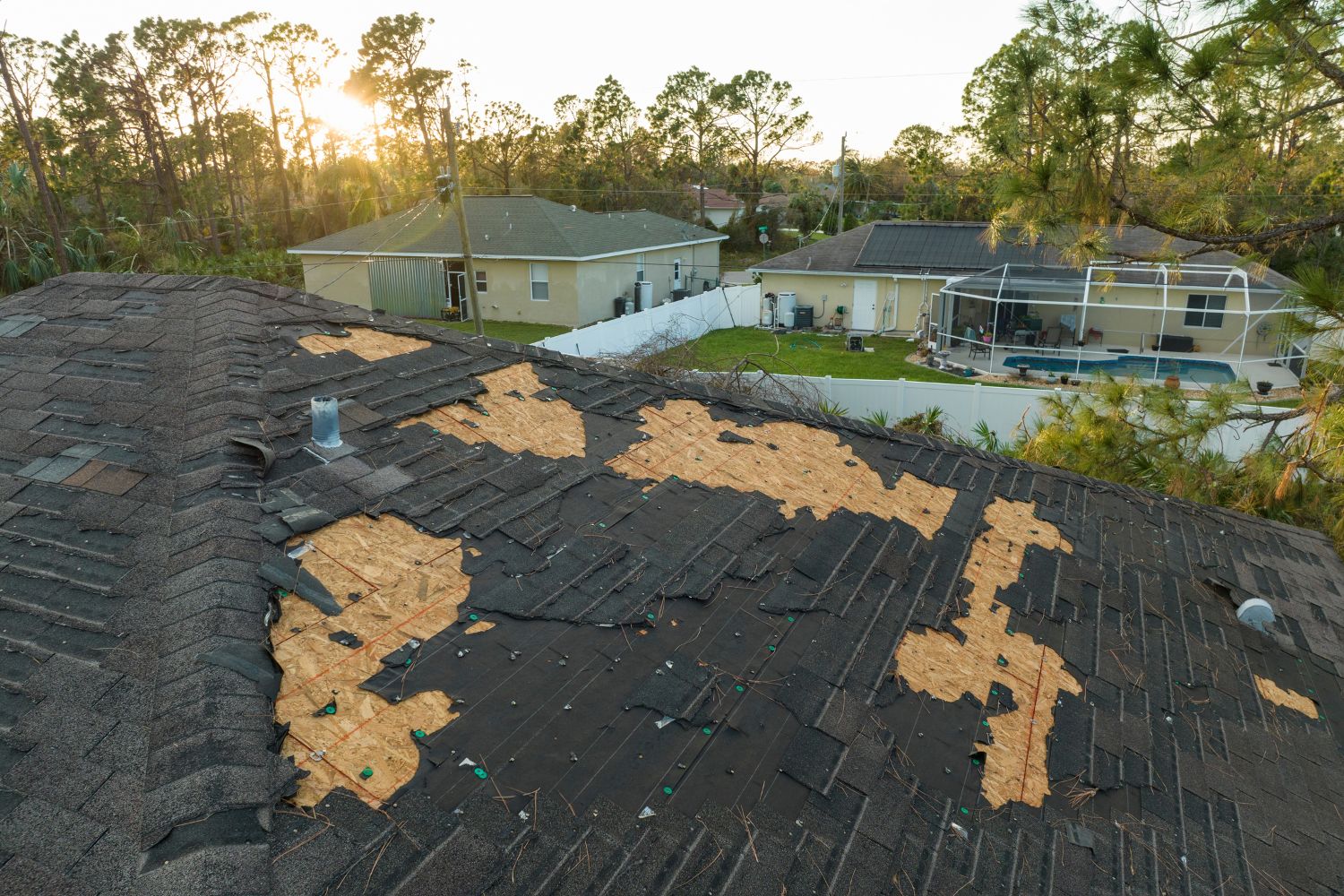
Your shingles form one of the most important weather-resistant layers of a pitched roofing system.
When shingles become damaged, the roof can become vulnerable to water infiltration.
Look for:
A few damaged shingles do not necessarily mean the entire roof needs to be replaced.
In many situations, targeted roof repair can restore the affected area and extend the life of the existing system.
However, widespread shingle deterioration can indicate that the roofing system is approaching the end of its useful service life.
A missing shingle leaves the layers underneath more exposed to weather.
Rainwater can reach vulnerable areas of the roofing system, while wind can enlarge the damaged section. If water reaches the roof deck, the problem can become significantly more complicated.
After severe weather, homeowners should inspect the roof from a safe location—or arrange a professional inspection—rather than climbing onto the roof themselves.
A roof that appears to sag or dip should receive prompt professional attention.
Unlike a missing shingle, visible sagging can indicate a problem involving the roof structure or decking.
Potential contributing factors can include:
A sagging roof should not be treated as a cosmetic issue.
The first step is to determine what is causing the movement and whether the affected structure remains sound.
Do not attempt to repair or reinforce a visibly sagging roof yourself.
Instead:
A professional inspection can determine whether the issue is limited to roofing materials or involves the underlying structure.
Deluxe Construction NJ’s roof inspection service evaluates the roofing system for leaks, water damage, storm damage, shingles, flashing, and other potential weaknesses.
If you have an asphalt shingle roof, the small granules covering the shingles provide an important protective surface.
Some granule loss is normal as shingles age, particularly after installation or heavy weather. But significant or increasing granule loss can indicate deterioration.
You may notice:
As the protective surface of asphalt shingles deteriorates, the underlying material can become increasingly exposed to sunlight and weather.
This does not automatically mean the roof needs immediate replacement. The extent, pattern, and age of the roofing system matter.
A professional inspection can determine whether the roof requires:
This is an important distinction because homeowners should not assume that every aging or damaged roof requires a complete replacement.
A good contractor should inspect the existing system and explain whether repair is a realistic option.
Flashing is one of the most important—and frequently overlooked—parts of a roofing system.
It helps direct water away from vulnerable transitions and penetrations.
Common locations include:
When flashing becomes loose, cracked, corroded, or improperly sealed, water may enter the roofing system.
The area where a chimney meets the roof is particularly vulnerable to water intrusion.
A leak around a chimney does not necessarily mean the masonry itself is failing. The flashing, counterflashing, sealant, roofing materials, or surrounding structure could be responsible.
Deluxe Construction NJ also provides chimney repair and flashing services in New Jersey as part of its exterior construction services.
Skylights also require careful waterproofing where they meet the roof.
Water stains around a skylight may be caused by:
The correct solution depends on the source of the leak.
Although the five signs above are among the most important, several other symptoms can indicate that your roof needs attention.
Flashing that is visibly separated, bent, cracked, or corroded can create an opening for water.
Standing water after rainfall can indicate drainage problems, insufficient slope, blocked drains, or deterioration of the roofing system.
Persistent ponding should be professionally evaluated.
Moisture inside the attic can result from roof leaks, ventilation problems, condensation, or a combination of issues.
Identifying the source is more important than simply removing visible mold or moisture.
If you can see daylight through gaps in the roof decking or roofing assembly from the attic, the area should be inspected promptly.
High winds, hail, falling branches, and severe weather can damage roofing materials even when the damage is not immediately obvious from the ground.
A post-storm roof inspection can help identify problems before the next rainfall exposes them.
Delaying a necessary roof repair can allow a localized problem to spread.
For example, a small roofing leak can eventually affect:
The longer moisture remains inside a building assembly, the greater the potential for secondary damage.
This is why addressing a roofing problem early can be more economical than waiting until the damage becomes extensive.
Deluxe Construction NJ specifically emphasizes repairing roofing problems where possible rather than automatically recommending replacement.
Seeing damage does not automatically mean you need a new roof.
The appropriate solution depends on the roof’s overall condition.
A professional inspection should determine which option makes sense for your property.
This approach can prevent two common mistakes: spending money repeatedly on a roof that needs replacement or replacing a roof that could have been economically repaired.
A visual inspection from the ground can identify obvious warning signs, but it cannot always reveal what is happening underneath the roofing materials.
A professional roof inspection can evaluate:
The inspection should also help answer the most important question:
Does the roof need repair, maintenance, or replacement?
Deluxe Construction NJ’s inspection service is designed to identify roof damage, leaks, storm-related problems, and weaknesses throughout the roofing system before recommending repair or replacement.
New Jersey weather can expose roofing systems to high winds, heavy rain, snow, ice, and other conditions that can damage roofing materials.
After a major storm:
Avoid climbing onto a wet or damaged roof.
A professional can assess areas that are difficult or unsafe for homeowners to access.
Your roof and gutter system work together to move rainwater away from the building.
Damaged, clogged, or poorly functioning gutters can contribute to water problems around the roof edge, fascia, siding, basement, and foundation.
Look for:
If you notice both roofing and gutter problems, it makes sense to evaluate the systems together.
Deluxe Construction NJ provides gutter inspection, installation, and repair services as part of its broader exterior construction services.
Finding the right contractor is just as important as identifying the roofing problem.
Before hiring a company, consider:
Ask whether the contractor is properly licensed and insured for the work being performed.
Deluxe Construction NJ identifies itself as licensed and insured and lists New Jersey license number 13VH09951400 on its website.
A contractor should be able to explain what is damaged and why the recommended repair is necessary.
Be cautious of estimates that simply say “roof repair” without explaining the actual scope.
The estimate should clarify:
Choose a roofing contractor with experience working on your type of roof and the kind of problem you are experiencing.
The cheapest estimate is not necessarily the best value.
Compare the proposed repair method, materials, scope, warranties, experience, and communication—not just the final number.
For additional guidance, see our article on how to find reliable roofing contractors in New Jersey.
Deluxe Construction NJ provides residential and commercial roofing services throughout New Jersey, including roof inspections, repairs, installations, and replacements. Its roofing team works with systems including asphalt shingles, metal roofing, TPO, EPDM, and other roofing types.
The company emphasizes assessing the existing roof before recommending replacement and states that it looks for repair and maintenance options when they are appropriate.
This is important because every roof has different conditions. A localized leak should not automatically result in a complete replacement, while widespread structural deterioration should not be treated with repeated temporary fixes.
The goal should be to identify the actual problem and choose the solution that makes sense for the roof’s condition, age, construction, and long-term needs.
An active roof leak, significant structural sagging, extensive storm damage, or large areas of missing roofing material should be addressed promptly. Water entering the home can cause secondary damage even when the original roofing defect appears small.
Yes. A small leak can allow moisture to enter the roof assembly and potentially damage decking, insulation, framing, ceilings, and interior finishes. The visible location of a water stain may also be different from the actual entry point.
No. If damage is limited to a small area and the rest of the roofing system remains in good condition, individual shingles or localized sections may be repairable. An inspection can determine the appropriate solution.
The decision depends on the extent of damage, the age and condition of the roof, the number of problem areas, the condition of the underlying structure, and the cost-effectiveness of continued repairs.
Yes. Storms can cause damage that is not immediately obvious from the ground. Look for missing shingles, debris, damaged flashing, and interior signs of water intrusion. For safety, have a professional inspect difficult-to-access areas.
A visibly sagging roof can indicate a structural or moisture-related problem and should be professionally evaluated promptly. Avoid placing yourself under or on areas that appear structurally unsafe.
Some granule loss is normal, particularly as shingles age. However, excessive granules can indicate shingle deterioration. The quantity, age of the roof, and overall shingle condition should be evaluated together.
Yes. Flashing protects vulnerable roof transitions around chimneys, skylights, valleys, walls, and penetrations. Damaged or improperly sealed flashing can allow water into the roofing system.
The appropriate inspection schedule depends on the roof’s age, condition, material, weather exposure, and history. Additional inspections are especially useful after significant storms, when buying or selling a property, or when warning signs appear.
Often, yes. Localized damage can frequently be repaired when the rest of the roofing system remains structurally sound and has useful service life remaining. A professional inspection should determine whether repair or replacement is the better long-term option.
Your roof provides one of the most important protective barriers around your property. When that barrier is compromised, delaying action can turn a manageable repair into a much more expensive project.
Keep an eye out for the five major warning signs:
You don’t have to determine the exact cause yourself.
If something looks wrong, the safest approach is to have the roofing system professionally inspected. A qualified contractor can identify the source of the problem, explain your options, and determine whether a repair, maintenance, or replacement is appropriate.
If your New Jersey property has a leaking, damaged, or aging roof, schedule a professional roof inspection with Deluxe Construction NJ and get a clear assessment of what your roof actually needs.