
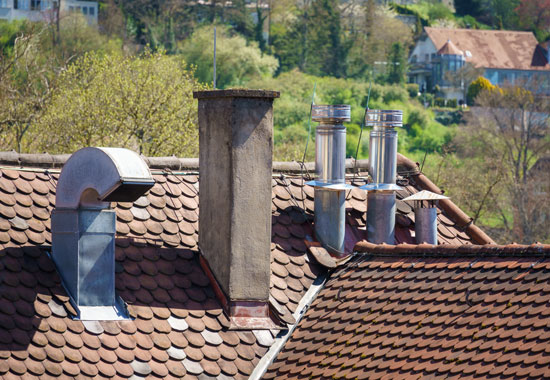
When considering a gas fireplace for your home, you might wonder, Does a gas fireplace need a chimney? Unlike traditional wood-burning fireplaces, gas fireplaces have different installation, venting, and exhaust requirements. In this article, we’ll explore the options available and answer some common questions about gas fireplace chimneys and venting systems.
Gas Fireplace Venting Requirements
Gas fireplaces don’t always need a chimney in the traditional sense. However, they require a venting system to expel exhaust gases safely. The type of venting system you need depends on the kind of gas fireplace you choose. Let’s take a look at the different gas fireplace venting options.
Gas Fireplace Flue Options
A flue is a conduit for exhaust gases from a fireplace. While traditional wood-burning fireplaces use a chimney flue, gas fireplaces can have various venting solutions. Depending on the model and your home’s layout, there are several options for venting a gas fireplace:
- Direct Vent Gas Fireplace: These systems have a two-part venting system that brings in fresh air for combustion and expels exhaust gases outside. This type of venting is highly efficient and does not require a traditional chimney.
- B Vent Gas Fireplace: This venting system relies on the natural rise of hot air to vent exhaust gases through a vertical chimney. It’s a more basic option but still effective for venting a gas fireplace.
- Vent-Free Gas Fireplace: As the name suggests, these fireplaces don’t require any venting. They use oxygen from the room to combust, producing minimal exhaust, but they require careful installation to ensure proper indoor air quality.
Chimney vs. Venting for Gas Fireplaces
When comparing a chimney vs. venting for gas fireplaces, it’s essential to understand the difference. A chimney is typically associated with wood-burning fireplaces. It relies on a tall, vertical structure to expel smoke. In contrast, gas fireplaces use venting systems that direct exhaust outside, but they may not require a traditional chimney. A gas fireplace with a direct-vent or B-vent system will be much more efficient than relying on a chimney to handle the exhaust.
Gas Fireplace Installation Guidelines
Installing a gas fireplace is a precise process that must follow manufacturer guidelines and local building codes. If your home does not already have a chimney, you can still install a gas fireplace using venting systems that do not require one. Be sure to work with a professional to ensure your fireplace is correctly installed, safely vented, and compliant with all regulations.
Chimneyless Gas Fireplace: What You Need to Know
A chimneyless gas fireplace can be an excellent option for those who don’t have a chimney in their home or prefer not to install one. These models, such as vent-free fireplaces, don’t require a chimney or venting system. However, they may release small amounts of combustion byproducts into the room, which is why they should only be used in well-ventilated spaces. Additionally, local regulations might restrict the use of vent-free fireplaces due to concerns about indoor air quality.
Direct Vent Gas Fireplace Installation
When it comes to installing a direct-vent gas fireplace, this system requires a special two-chamber vent. One chamber brings in fresh air from outside, while the other vents exhaust gases outdoors. This type of installation is more efficient and safer than traditional chimney systems. It’s essential to work with professionals who specialize in gas fireplace installation to ensure the system is set up correctly.
Gas Fireplace Exhaust Requirements
Gas fireplaces produce carbon monoxide as a byproduct of combustion. Therefore, they need an effective venting system to remove this harmful gas safely. Whether you choose a direct vent system or a traditional chimney, it’s critical to have an exhaust system in place to keep your home safe and breathable.
Conclusion
So, does a gas fireplace need a chimney? It depends on the type of fireplace you choose. Many modern gas fireplaces use alternative venting systems, such as direct vent or B vent, which do not require a traditional chimney. If you’re considering a gas fireplace, be sure to consult with a professional to determine the best venting option for your home.
About Deluxe Construction NJ
Deluxe Construction NJ provides premium chimney services to homes and businesses of all sizes in New Jersey. Our experienced chimney contractors specialize in inspections, repairs, installations, and maintenance to keep your chimney safe, functional, and efficient. From rebuilding deteriorating masonry to installing new chimney systems, we deliver solutions tailored to your property’s needs. Contact us today for your free chimney service quote!
By understanding the different venting systems for gas fireplaces and how they work, you can make an informed decision about which type is right for your home. Whether you need a traditional chimney or a more modern venting system, the experts at Deluxe Construction NJ can guide you through the process.