A crackling fire is the centerpiece of a cozy home during the winter months. It provides warmth, ambiance, and a gathering place for family. However, the hidden structure that allows you to enjoy that fire safely—the chimney flue—is often ignored until a problem arises. Over time, heat, moisture, and combustion byproducts can wreak havoc on the inside of your chimney, leading to cracks, deterioration, and significant safety hazards.
This is where a chimney liner comes into play. Think of it as a protective inner skin for your chimney. It channels smoke and toxic gases out of your home while protecting the masonry walls from extreme heat and corrosive byproducts. While many homeowners are tempted to tackle this project themselves to save money, it is a complex task that leaves zero room for error.
Installing a chimney liner is not just about fitting a pipe into a hole; it is about physics, airflow, and fire safety. If you are considering this upgrade, you need to understand exactly what is involved. This guide covers the critical steps of installation, the necessary safety precautions, and how to decide if this is a job for you or a professional.
What Is a Chimney Liner and Why Is It Crucial?
A chimney liner is a conduit made of clay, ceramic, or metal (typically stainless steel or aluminum) installed inside a chimney flue. Its primary purpose is to contain the combustion products—smoke, carbon monoxide, and embers—and direct them outside.
Older homes were often built with clay tile liners, or sometimes no liner at all. Over decades, these clay tiles can crack due to the rapid expansion and contraction caused by heating and cooling cycles. Once the liner is compromised, heat can transfer to combustible materials in your home’s framing, potentially causing a house fire. Furthermore, cracks allow deadly carbon monoxide to leak into living spaces.
Installing a new liner, particularly a durable stainless steel one, improves the efficiency of your appliance. A properly sized liner creates the correct draft, meaning your fire burns cleaner, produces less creosote, and keeps your home warmer.
Safety First: The Risks of Improper Installation
Before picking up a tool, you must understand the stakes. Chimney maintenance is life-safety work. If a liner is installed incorrectly, the consequences can be devastating.
Fire Hazards
The most immediate risk is a chimney fire. If the liner is not sealed correctly, or if insulation is skipped in a cold chimney, creosote can build up rapidly. Creosote is a highly flammable substance that accumulates from burning wood. If it ignites, it burns at extremely high temperatures. A compromised or poorly installed liner allows this heat to escape the flue and ignite the wood framing of your attic or walls.
Carbon Monoxide Poisoning
Your chimney is an exhaust pipe. Its job is to remove toxic gases. If the connection between your furnace, water heater, or wood stove and the liner is not airtight, carbon monoxide can backdraft into your home. This gas is odorless, colorless, and potentially fatal.
Structural Damage
Condensation is another enemy. If the flue gases cool down too quickly because the liner isn’t insulated or sized right, they turn into acidic moisture. This acid eats away at mortar joints and bricks from the inside out, leading to expensive structural repairs down the road.
Professional Installation vs. DIY
The debate between hiring a pro and doing it yourself usually comes down to cost versus assurance.
The Case for DIY
The primary motivation for DIY installation is financial. Professional installation can cost significantly more than the price of materials alone. By purchasing a kit and doing the labor yourself, you could potentially save hundreds, or even thousands, of dollars. For an experienced handy person with a deep understanding of construction and safety protocols, this is a feasible project.
The Case for Professionals
However, the savings come with high risk. Certified chimney sweeps understand local fire codes, draft physics, and the specific requirements of different fuel types (gas, oil, wood). They have the tools to handle unexpected obstructions and the expertise to ensure the warranty on the liner remains valid. Most importantly, a professional installation comes with peace of mind. If you make a mistake during a DIY install, you might not know until it is too late.
Conducting a Thorough Chimney Inspection
If you decide to proceed, the first step is a comprehensive inspection. You cannot simply drop a new liner into a dirty or damaged chimney.
Start by cleaning the chimney. You must remove all soot, debris, and existing creosote buildup. A clean chimney allows you to see the condition of the flue walls. Use a high-powered flashlight or, ideally, a chimney inspection camera to look for:
- Loose or missing bricks.
- Protruding mortar that could snag the new liner.
- Offset tiles or bends in the chimney structure.
- Bird nests or other blockages.
If the chimney has significant structural damage or sharp offsets, a standard flexible liner might get stuck or torn during installation. In such cases, professional repair is required before lining can begin.
Accurate Measurements Are Key
Ordering the wrong size liner is the most common mistake. You need two critical numbers: the diameter and the length.
Determining Diameter
The diameter of the liner must match the exhaust outlet of your appliance. If you have a wood stove with a 6-inch exhaust, you generally need a 6-inch liner. However, you also need to measure the interior width of your masonry flue. If your flue is narrow, a round liner might not fit, and you may need an ovalized liner or a smaller diameter (if code allows for your specific appliance).
Determining Length
Measure from the top of the chimney crown down to where the appliance connects to the wall or the damper. It is always smarter to order a liner that is a few feet longer than you think you need. You can easily cut excess steel, but you cannot stretch a liner that is too short.
Code Compliance and Permits
Never skip the paperwork. Chimney modifications almost always require a building permit. Local building codes dictate the type of material you can use, the insulation requirements, and the necessary clearances from combustibles.
Before buying materials, visit your local building department. Ask specifically about insulation requirements. In many regions, you are required to insulate the liner to meet UL listing standards for safety. failing to pull a permit could void your home insurance policy in the event of a fire.
Step-by-Step Installation Guide (General Overview)
If you have inspected, measured, and permitted your project, here is an overview of the installation process. Note that this is a complex job requiring specific tools like tin snips, high-temp silicone, a caulking gun, safety gloves, and potentially an angle grinder.
1. Prepare the Work Area
This is a messy job. Soot will fall. Cover the area around your fireplace or heating appliance with drop cloths or heavy plastic sheeting. Seal off the room to prevent dust from traveling through the house. Wear a respirator and safety goggles.
2. Accessing the Thimble
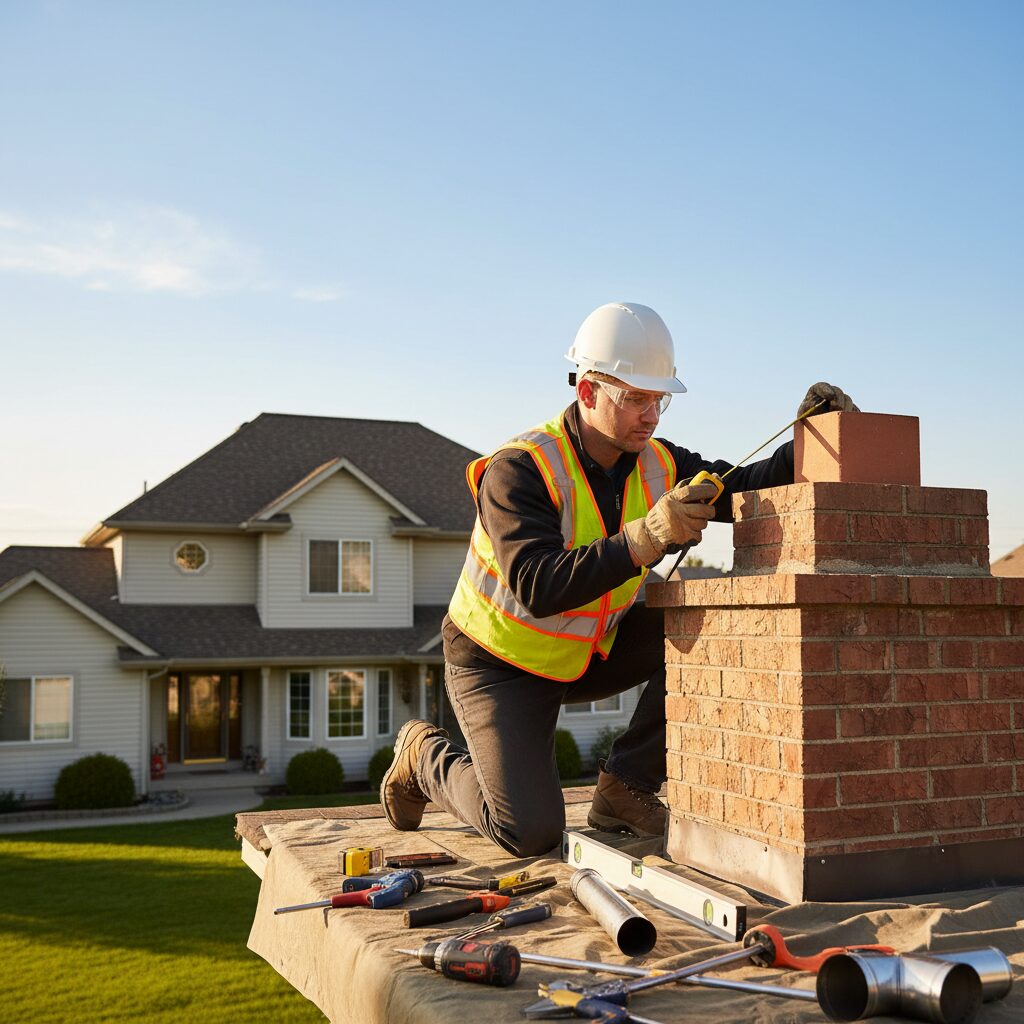
You need access to the point where the appliance pipe enters the chimney wall (the thimble). In many masonry fireplaces, this involves removing a few bricks at the bottom of the chimney to create enough space to install the “Tee” connector. This requires a chisel or a hammer drill. Be careful not to damage the structural integrity of the surrounding masonry.
3. Installing the Liner
While it is possible to pull a liner up from the bottom, gravity makes it much easier to install from the top down.
- Straighten out the flexible liner on a flat surface (like your lawn).
- If insulation is required, wrap the liner in the insulation blanket and secure it with spray adhesive and foil tape, or wire mesh.
- Attach a pulling cone or rope to the bottom of the liner to help guide it.
- Have one person on the roof feed the liner down while another person at the bottom guides it through the damper area or thimble.
4. Making the Connection
Once the liner reaches the bottom, you need to attach the Tee connector. This connects the vertical liner to the horizontal pipe coming from your appliance. Secure the Tee to the liner using the provided stainless steel rivets or fasteners. Seal the connection with high-temperature silicone to ensure it is airtight.
5. Sealing the Top
Back on the roof, you must secure the liner. A top plate slides over the liner and sits on the chimney crown. Use a bead of silicone under the top plate to create a watertight seal against the masonry. Tighten the clamp on the top plate to hold the liner in place. Finally, install the rain cap to prevent water and animals from entering the flue.
6. The Draft Test and Final Steps
Before lighting a fire, you must ensure the draft is working. This usually involves lighting a small amount of paper to see if the smoke is pulled briskly up the flue. If the smoke spills back into the room, you have a draft issue that must be addressed immediately.
Reinstall the bricks you removed at the bottom, using refractory mortar to seal the opening around the new pipe connection.
Deluxe Construction NJ Is your Local Chimney Installation Expert In New Jersey
If reading through the steps above makes you hesitate, that is a healthy reaction. Chimney work is demanding, dirty, and technically precise. For homeowners in New Jersey who want the safety of a new liner without the stress of a chimney project, Deluxe Construction NJ is here to help.
We specialize in all aspects of chimney maintenance, repair, and liner installation. Our team understands the specific building codes of New Jersey and the unique challenges posed by local weather conditions. We use only high-grade materials that stand the test of time, ensuring your home remains safe and efficient for years to come. Don’t risk your family’s safety to save a few dollars—trust the local experts to get the job done right the first time.
Why Professional Installation Is the Smarter Choice
Installing a chimney liner is a significant home improvement project. While the mechanics of dropping a pipe down a hole seem simple, the nuances of draft physics, insulation, and airtight sealing are what keep your home safe.
A Chymney liner installation might save money upfront, but if it leads to a chimney fire, a carbon monoxide leak, or a rejected insurance claim, the cost is far too high. Professionals not only bring the labor but also the diagnostic experience to spot problems you might miss.
If you are fully confident in your construction skills and knowledge of fire codes, proceed with extreme caution and diligence. However, for most homeowners, the assurance of a professional installation is worth every penny. Your chimney is the exhaust system for your home’s heating; ensure it is safe, secure, and up to code.