
Replacing siding on a house in New Jersey is a significant home improvement project. It can enhance curb appeal and increase property value. But how much does it cost?
The cost varies based on several factors, including the size of your home and the materials you choose. Vinyl and fiber cement are popular options, each with its own price range.
Understanding these costs is crucial for budgeting and planning. This guide will help you navigate the complexities of siding replacement in New Jersey.
We’ll explore material options, installation processes, and key factors affecting prices. Let’s dive into the details to make informed decisions.
Average Siding Replacement Cost in New Jersey
The average cost to replace siding on a house in New Jersey typically ranges from $5,000 to $15,000. This variance in price depends largely on the size of your home and the material used.
Vinyl siding, a popular and cost-effective choice, usually costs between $3 and $8 per square foot. Fiber cement, known for its durability, comes at a higher cost of $5 to $13 per square foot.
Several factors contribute to these costs, including labor rates in your area. Urban areas tend to have higher labor costs due to increased demand and cost of living.
Considerations like the architectural complexity of your home can also influence pricing. The number of stories or unique design features can increase labor intensity.
For an accurate estimate, it’s important to obtain multiple quotes. Contact several local contractors to compare prices and services.
These insights provide a starting point for budgeting your siding replacement project. Anticipate variations and plan accordingly to avoid surprises.
Siding Material Options and Their Costs
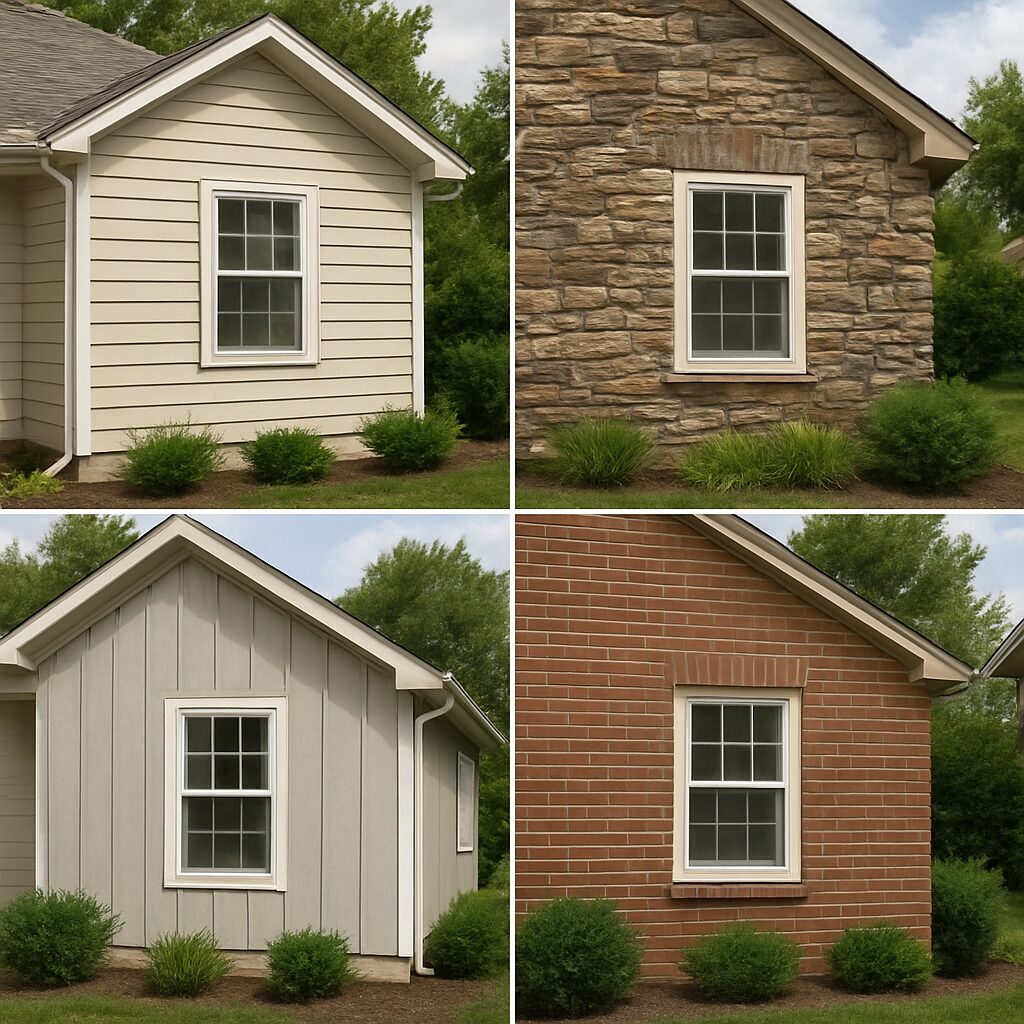
When selecting siding for your home, various materials are available, each with unique benefits and costs. Choosing the right siding involves balancing initial expense, durability, and maintenance needs.
Vinyl siding is a top choice due to its cost-efficiency and low upkeep. It offers considerable savings upfront and requires little maintenance over the years.
Fiber cement siding attracts homeowners seeking durability and a premium appearance. Although pricier than vinyl, it offers longer-term resilience and better aesthetic options.
Other options include wood, metal, and stone veneer. Each has distinct costs and aesthetic appeals, warranting careful consideration.
Consider these common siding materials:
- Vinyl siding: $3-$8 per square foot
- Fiber cement: $5-$13 per square foot
- Wood siding: A classic choice with natural charm, but typically more costly and maintenance-intensive.
- Metal siding: Praised for its fire resistance and minimal upkeep.
- Stone veneer: Offers a luxurious look but at a high price point.
When choosing siding, evaluate life cycle costs, not just initial expenses. Understand the longevity, maintenance demands, and energy efficiency each material provides. Additionally, consider your home’s architectural style and neighborhood norms. This holistic approach ensures you select siding that fits both your aesthetic desires and budget constraints.
Vinyl Siding Cost in NJ
Vinyl siding is a preferred choice for many New Jersey homeowners due to its affordability and versatility. Prices for vinyl siding typically range from $3 to $8 per square foot, making it one of the most cost-effective options available.
In addition to being affordable, vinyl siding is available in various styles and colors. This allows homeowners to customize their home’s exterior to match personal taste while maintaining a budget-friendly approach.
Key benefits of vinyl siding include:
- Low maintenance requirements
- Wide range of color and style choices
- Cost-effective installation and material costs
Overall, vinyl siding’s combination of low cost and variety makes it an appealing choice for those looking to update their home’s exterior without breaking the bank.
Fiber Cement Siding and Other Popular Choices
Fiber cement siding offers durability with a high-end look, making it a favorite among homeowners who prioritize long-term value. While its cost, between $5 and $13 per square foot, is higher than vinyl, it provides excellent resilience and an elegant appearance.
Apart from fiber cement, other attractive materials include wood and metal. Wood offers a natural, classic appeal but requires more maintenance and carries a higher price.
Metal siding boasts low maintenance and fire resistance, offering a more modern look. However, it can cost more than vinyl and should be considered based on specific needs.
Consider these materials based on:
- Longevity and durability
- Maintenance requirements
- Aesthetic appeal and home style
Making a well-informed choice can ensure enduring satisfaction and curb appeal for your home’s exterior.
Key Factors Affecting Siding Replacement Prices
Several factors can impact the cost of siding replacement in New Jersey. The size and style of your home play a significant role in determining overall expenses.
Larger homes require more materials and labor, driving up costs. Similarly, intricate architectural details or multiple stories add complexity, increasing labor costs.
Labor rates are another crucial factor. Urban areas in New Jersey may have higher labor costs compared to rural locations.
Weather conditions in New Jersey also affect siding prices. Seasonal changes can influence demand, leading to price fluctuations.
Consider the following factors when estimating replacement costs:
- Home size and design complexity
- Local labor rates
- Material choice and quality
- Seasonal and weather variations
Additionally, homeowners should factor in the potential need for repairs. Underlying issues like water damage or insulation problems can increase project costs. Obtaining multiple quotes from reputable contractors can ensure competitive pricing and help you identify the best option for your project. By understanding these factors, you can better anticipate the overall investment required for siding replacement. This knowledge will help you make informed decisions and budget accordingly.
Siding Installation Process in New Jersey
The siding installation process in New Jersey involves several key steps to ensure a successful outcome. Before new siding can be applied, the old siding must be removed. This step may also involve disposing of debris, which can affect overall costs.
Once the old siding is gone, the surface is prepared. This preparation ensures that the new siding can adhere properly and last longer. Contractors may also install moisture barriers at this stage.
Next, the new siding is installed. This step requires precision to ensure protection against weather and improve home aesthetics. Depending on the complexity, this phase can take a few days to complete.
Key steps in siding installation include:
- Removal of old siding
- Surface preparation and repairs
- Installation of new siding
- Final inspections and cleanup
Finally, a thorough inspection ensures that the siding is properly installed. Contractors conduct a cleanup after the project concludes, leaving your home refreshed and ready for the elements.
How to Estimate the Amount of Siding You Need
Estimating the amount of siding needed is essential for budgeting and planning. Begin by measuring the surface area of your home’s exterior walls. Calculate the area by multiplying the height by the width for each wall section.
Consider deducting the dimensions of doors and windows. This adjustment ensures a more accurate estimation, reducing potential material waste. It’s important to remember that complex architectural features, like gables or dormers, may require additional calculations.
Once the total square footage is determined, consider purchasing extra material. This buffer accommodates errors and allows for future repairs. Typically, buying an extra 10% is a safe practice.
Steps to estimate siding needs:
- Measure each wall’s height and width
- Calculate the total square footage
- Deduct doors and windows area
- Add 10% extra for waste and repairs
By following these steps, you ensure that the siding project proceeds smoothly. Accurate estimations lead to a well-organized project, minimizing unexpected costs and delays.
Choosing a Siding Contractor in NJ
Selecting the right siding contractor is crucial for a successful project. Start by researching local contractors with solid reputations. Look for reviews online to gauge their reliability and work quality.
Verify the credentials and insurance of potential contractors. This ensures they are qualified and protected against unforeseen issues. It’s also wise to check their experience with different siding materials, such as vinyl and fiber cement.
Get multiple estimates to compare costs and services. This step helps in understanding the market rates and ensuring fair pricing.
Key considerations when choosing a contractor:
- Check reviews and references
- Verify credentials and insurance
- Compare multiple estimates
Finding a skilled contractor can greatly influence your project’s outcome. It ensures quality work and can save you money in the long term.
Additional Costs and Considerations
When replacing siding, additional costs may arise unexpectedly. Be prepared for expenses like removal of old siding and disposal fees. Such costs can add significantly to the overall budget.
Beyond basic installation, consider potential structural repairs. Underlying issues like water damage might need attention before new siding can be applied. Addressing these problems early prevents future complications.
It’s wise to budget for extras such as trim replacement or adding insulation. While optional, these upgrades can enhance the siding’s performance and appearance.
Important additional costs to consider:
- Siding removal and disposal
- Structural repairs
- Trim and insulation upgrades
Thinking ahead about these costs ensures a smoother siding project. This foresight helps avoid budget overruns and ensures long-term satisfaction with your home’s new exterior.
Siding Replacement ROI and Long-Term Value
Investing in siding replacement offers notable returns. Enhanced curb appeal can significantly increase your home’s resale value. Potential buyers often prefer homes with fresh, durable exteriors.
Beyond resale value, new siding provides improved energy efficiency. This can lead to lower utility bills, offering long-term savings. Different materials have varying impacts, but all contribute to better insulation.
Siding replacement can also address aesthetic concerns. Updating to modern styles or colors enhances your home’s visual appeal. This investment not only boosts your home’s marketability but also ensures long-lasting satisfaction.
Key long-term benefits include:
- Increased resale value
- Improved energy efficiency
- Enhanced home aesthetics
Frequently Asked Questions About Siding Cost in NJ
Navigating the costs of siding replacement can be challenging. Many homeowners in New Jersey have questions about the process. Understanding these common queries can help streamline your project planning.
A frequent question is, “What influences the cost the most?” Material choice and home size are key factors. Labor costs and installation complexities also play significant roles.
Homeowners often ask, “Are there ways to reduce costs?” Securing multiple quotes from contractors can help find competitive prices. Also, consider potential seasonal discounts during off-peak periods.
Common FAQs include:
- What factors most affect siding costs?
- Can siding replacement increase home energy efficiency?
- Are there economical siding options available?