
Maintaining a home involves numerous tasks, yet one of the most frequently overlooked is chimney maintenance. Understanding the appropriate frequency for sweeping your chimney is pivotal not only for the efficiency of your fireplace but also for the safety of your home. This discourse will delve into the multifaceted considerations affecting chimney cleaning schedules, providing an erudite exposition on this crucial aspect of domestic upkeep.
Chimney sweeping frequency is contingent upon a variety of determinants, each contributing to the optimal functioning and safety of your fireplace. Primarily, the nature of the fuel utilized, the frequency of usage, and the type of chimney construction are integral factors influencing the cleaning schedule.
Fuel Type and Its Impact
The type of fuel burned is a significant determinant of how often your chimney should be swept. Wood-burning fireplaces, for instance, require more frequent cleaning due to the creosote buildup—an oily, tar-like substance that is highly combustible. The National Fire Protection Association (NFPA) recommends that chimneys, fireplaces, and vents be inspected at least once a year, but those using wood should consider more frequent inspections and sweeps depending on usage.
Conversely, gas and oil fireplaces produce less creosote but should still not be neglected. They require periodic checks to ensure no blockages or deterioration in the flue lining that could impede proper ventilation.
Usage Patterns and Their Influence
The frequency with which your fireplace is used is another critical factor. For instance, during the colder months when the fireplace is a staple of warmth and comfort, the chimney is subjected to increased wear. Consequently, regular users may find that biannual or even quarterly sweeps are necessary, whereas occasional users might suffice with an annual inspection.
Construction Material and Design
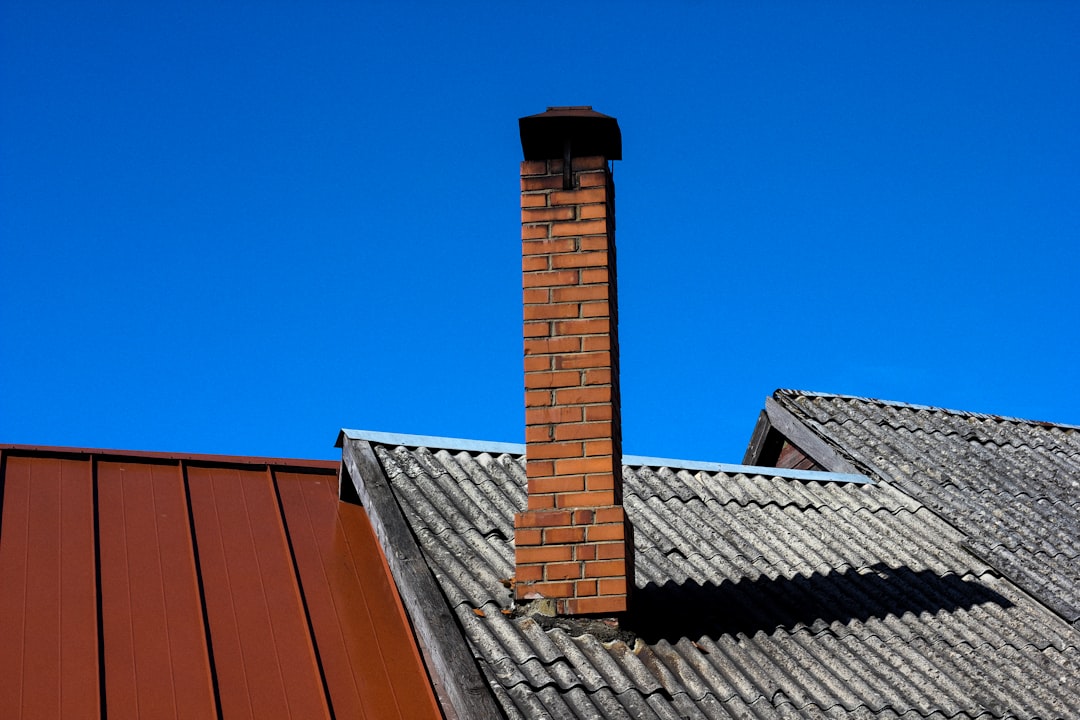
The architectural composition of your chimney—whether brick, metal, or another material—also plays a role in determining cleaning frequency. Brick chimneys, for instance, are prone to mortar deterioration and may require more frequent scrutiny to avoid structural compromise.
Additionally, the presence of bends or offsets in the chimney design can lead to greater soot accumulation in certain areas, necessitating more frequent cleaning.
Comprehensive Chimney Maintenance Tips
To ensure your chimney’s longevity and efficiency, a holistic approach to maintenance is indispensable.
Regular Inspections
Annual inspections are non-negotiable. A certified chimney sweep can identify potential issues such as blockages, flue damage, or excessive creosote accumulation. During inspections, they can also evaluate the chimney cap, which plays a pivotal role in preventing moisture ingress and wildlife intrusion.
Chimney Caps and Their Importance
Chimney caps are often underestimated yet are vital in preventing water damage, which can lead to significant structural issues. They also deter birds and other animals from nesting within the chimney, thereby averting blockages that could impede smoke egress.
Addressing Creosote Accumulation
Creosote is the bane of chimney safety, and its management is crucial. Its buildup not only reduces the chimney’s efficiency but also poses a severe fire hazard. Regular cleaning, particularly for wood-burning systems, is essential to mitigate this risk.
Moisture Management
Moisture is a formidable adversary to chimney integrity. It is imperative to ensure that the chimney cap is intact and that flashing is properly sealed to prevent water ingress. Moisture can accelerate the decay of both the interior and exterior chimney materials, leading to costly repairs.
Real-World Implications of Neglected Chimney Maintenance
The ramifications of inadequate chimney maintenance can be dire. A neglected chimney can lead to chimney fires, which are not only destructive but also pose a risk to the entire household. Furthermore, blockages can result in the backflow of smoke and dangerous gases, such as carbon monoxide, into the living space.
Case Study: The Consequences of Ignoring Maintenance
In a case study examining a residential chimney fire, the lack of regular sweeping was identified as a primary factor. The excessive creosote buildup had ignited, leading to extensive damage. This underscores the importance of adhering to recommended chimney maintenance schedules.
Establishing a Personalized Chimney Cleaning Schedule
Creating a bespoke chimney cleaning schedule requires a nuanced understanding of the specificities of your fireplace usage and construction. Homeowners should collaborate with professional chimney sweeps to develop a plan that suits their unique circumstances.
Collaborating with Professionals
Engaging with certified professionals ensures that your chimney is maintained according to industry standards. These experts possess the requisite knowledge to provide tailored recommendations based on your usage patterns and chimney construction.
Conclusion
Understanding the appropriate frequency for chimney sweeping is an essential aspect of home maintenance. By considering factors such as fuel type, usage frequency, and chimney construction, homeowners can establish a cleaning schedule that ensures safety and efficiency. Regular maintenance not only prevents hazardous situations but also extends the lifespan of your chimney.
To safeguard your home and enhance the performance of your fireplace, prioritize regular chimney inspections and cleanings. Embrace the expertise of certified professionals to ensure that your chimney remains in optimal condition, thereby providing peace of mind and warmth for many seasons to come.