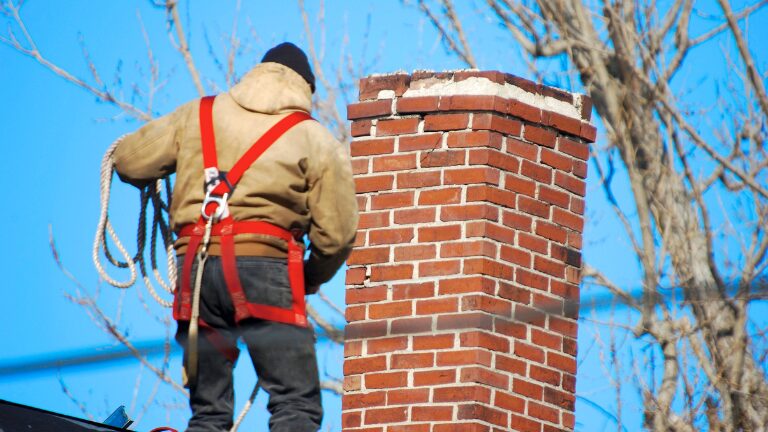
Chimney flashing is a crucial part of your home’s roofing system. It prevents water from seeping into your roof and causing damage. In New Jersey, the weather can be harsh, making chimney flashing repair essential. Many homeowners search for chimney flashing repair new jersey when leaks appear, and understanding local climate and building practices helps ensure durable results.
Homeowners often overlook chimney maintenance, leading to costly repairs. Regular inspections and chimney maintenance NJ services can help identify issues early, saving you money in the long run.
Signs of flashing problems include water stains, damp walls, and rust around the chimney. Addressing these issues promptly can prevent further damage. In some cases, timely chimney leak repair is also necessary to stop active water intrusion.
Whether you choose DIY or professional repair, understanding the process is vital. This guide will help you navigate chimney flashing repair in New Jersey effectively.
What Is Chimney Flashing and Why Is It Important?
Chimney flashing is a metal barrier that seals the gap between your chimney and roof. Its primary role is to prevent water intrusion, which can damage your home’s structure. Without proper flashing, rain and melting snow can seep into the roof deck.
Flashing serves as a protective shield, ensuring that water cannot bypass the chimney and leak into the home. This protection extends the lifespan of both the roof and chimney.
Various materials are used for flashing, each with unique properties. Common choices include:
- Aluminum: Lightweight and corrosion-resistant
- Copper: Durable with a high aesthetic appeal
- Galvanized steel: Cost-effective and strong
Proper installation is crucial for flashing effectiveness. Layers of metal are strategically placed around the chimney base to create a watertight barrier. Any gaps can lead to leaks, making precise installation vital.

Maintaining the integrity of chimney flashing is essential for your home’s safety and comfort. Properly installed and maintained flashing prevents moisture-related issues, such as mold growth and structural decay.
Common Signs of Chimney Flashing Problems
Identifying chimney flashing problems early can prevent extensive damage to your home. One common sign is water stains on your ceilings, often indicating leaks.
Damp walls near your chimney might be another clue. This usually suggests water is seeping in due to faulty flashing.
If you notice rust or visible cracks around the chimney’s base, it’s time for a closer inspection. These issues can quickly worsen if not addressed promptly.
Look out for these common signs of flashing problems:
- Water stains on ceilings
- Damp walls near the chimney
- Rusty or cracked flashing
- Leakage during rainstorms

Catch these signs early to avoid more serious issues. Regular inspections can help detect problems before they cause major structural damage. Taking swift action when these signs appear can protect your home from water damage and save money on repairs. If leaks are already present, consider chimney leak repair along with flashing upgrades to fully resolve moisture issues.
Why Chimney Flashing Repair Is Essential in New Jersey
New Jersey’s varied weather conditions can take a toll on your home’s structural components. Chimney flashing, in particular, is vulnerable to the state’s seasonal temperature swings. These conditions can lead to wear and tear, causing leaks if not properly maintained.
Repairing chimney flashing in New Jersey is crucial for preventing water intrusion. Water damage can lead to mold growth and compromise your home’s integrity. Regular repairs and inspections can prevent these costly issues.
Moreover, effective flashing repair can improve your home’s energy efficiency. Properly sealed flashing helps keep drafts at bay and retains heat, making heating systems more efficient.
Consider these reasons why chimney flashing repair is essential:
- Protects against water damage and mold
- Improves energy efficiency
- Extends the lifespan of the roof
- Ensures a watertight barrier
A proactive approach to chimney flashing repair ensures your home remains safe and comfortable. If your roof is aging or damaged, coordinating work with roof repair New Jersey specialists can help address related roofing issues at the same time. Don’t wait for issues to escalate before taking action.
How to Inspect Chimney Flashing for Damage
Regular inspection of your chimney flashing can help you catch problems early. Begin by visually examining the flashing from the ground using binoculars. Look for signs of rust, cracks, or any visible gaps that might indicate damage.
If safe access is available, inspect the flashing closer while standing on the roof. Check for loose sections, missing materials, or signs of water pooling. Listen for any unusual sounds that might suggest materials are separating.
Use this checklist when inspecting your chimney flashing:
- Look for rust or visible cracks
- Check for loose or missing materials
- Identify signs of water damage or pooling
By maintaining a regular inspection schedule, you can prevent minor issues from becoming significant repairs. This proactive approach will save time and money in the long run. If you’re unsure, consult a professional to ensure a thorough evaluation.
DIY vs. Professional Chimney Flashing Repair
Deciding between DIY and professional repair depends on your skills and the problem’s complexity. For minor issues and if you’re handy, a DIY approach can be cost-effective. Basic repairs might involve resealing small gaps or tightening loose flashing.
However, professional repair is recommended for complex or extensive damage. Experts have the training and tools to identify and fix issues safely. They can also address underlying problems that might be invisible to an untrained eye.
Before attempting a DIY repair, consider these factors:
- Your experience with roofing repairs
- Safety risks of working on a roof
- The complexity of the damage
Professional services offer peace of mind with warranties and guarantees. They ensure the job is done correctly the first time. For complex repairs, hiring experts is often a wise investment in your home’s longevity. Always weigh the risks and benefits before making a decision. If leaks are active or widespread, a professional can coordinate chimney leak repair with flashing replacement for a comprehensive fix.
The Chimney Flashing Repair Process: Step by Step
Repairing chimney flashing involves a detailed, methodical process to ensure long-lasting results. First, it’s important to assess the damage. An in-depth inspection is crucial to determine the extent of deterioration.
The next step is to prepare the area around the chimney. This involves removing old, damaged flashing. Clearing debris and cleaning the surface ensures the new flashing adheres properly.
Once the area is prepped, you can install the new flashing. This requires precision to create a watertight seal. Incorrectly installing new materials can lead to future issues.
Here’s a summarized list of the steps:
- Inspect the flashing for damage
- Remove any deteriorated materials
- Clean the chimney surface
- Install new flashing materials
- Seal and secure the flashing
Finally, after installing, it’s crucial to check the work. Ensuring the flashing is sealed properly prevents leaks. Post-repair inspections help guarantee that the repair is effective and complete. This careful attention to detail protects your home from future water damage.
Choosing the Right Materials for Chimney Flashing Repair
Selecting the appropriate materials for chimney flashing repair is crucial. The right materials ensure durability and effectiveness. Different metals offer varying benefits and longevity.
Aluminum is a popular choice due to its cost-effectiveness and ease of installation. However, it may not last as long in harsh weather.
Copper is highly durable and has a distinct appearance, but it comes with a higher price tag. For areas with severe weather conditions, copper is an excellent investment.
Here’s a quick guide to flashing materials:
- Aluminum: Affordable, easy to work with
- Copper: Durable, aesthetically pleasing
- Galvanized Steel: Strong, resistant to rust
Finally, consider the climate and specific conditions of your home. Consult with a professional to help choose the best option. The right material choice can extend the lifespan of your chimney flashing significantly.
Cost Factors for Chimney Flashing Repair in New Jersey
The cost of chimney flashing repair in New Jersey can vary significantly. Factors influencing costs include the extent of damage and material choice. Labor rates in New Jersey also affect the overall expense.
Customizations or complex repairs can increase costs. For instance, repairing more extensive damage or using premium materials like copper will cost more.
Here’s a breakdown of factors affecting repair costs:
- Extent of Damage: Minor vs. major repairs
- Material Choice: Aluminum, copper, etc.
- Labor Costs: Varies by region and expertise level
Getting estimates from multiple professionals ensures competitive pricing. Being informed about potential cost factors helps you prepare a realistic budget. When discussing scope, ask if bundling flashing work with roof repair New Jersey projects can reduce total costs.
Preventative Maintenance Tips for Chimney Flashing and Roofs
Regular maintenance is crucial for preserving chimney flashing and roof integrity. With proactive care, you can avoid costly repairs down the line. Routine checks ensure potential issues are identified early.
Seasonal inspections are vital in New Jersey due to varying weather conditions. Check your chimney and roof twice a year, ideally in spring and autumn, to prepare for harsh weather.
Key maintenance tasks include:
- Inspect Flashing for rust or cracks
- Clean Debris from gutters and roof
- Check for Leaks and water stains
Implementing these steps can prolong the lifespan of your roof system. By staying vigilant, you can enhance your home’s durability and safety.
Why Choose a Professional Chimney Repair NJ Service?
Choosing a professional for chimney flashing repair ensures the job is done with expertise and precision. Professionals bring specialized skills to handle complex repairs, reducing the risk of future problems.
A professional service also offers peace of mind. They carry the necessary tools and equipment to execute the task efficiently and safely. This minimizes the chance of costly mistakes that a DIY approach might lead to.
Additionally, many professional services provide warranties, assuring the quality of their work and protecting your investment. This can be a significant benefit and one that offers long-term value to homeowners. When hiring, look for licensed, insured chimney repair NJ providers with strong local reviews.
- Expertise and precision
- Access to necessary tools
- Warrantied services
Conclusion: Protect Your Home with Timely Chimney Flashing Repair
Maintaining your chimney flashing is crucial for protecting your home from water damage. Prompt repairs can prevent costly structural issues and maintain your home’s integrity.
In New Jersey, where weather conditions vary greatly, keeping your chimney flashing in good condition is particularly important. By investing in timely repairs and regular inspections, homeowners can ensure a safe and comfortable living environment. Prioritizing chimney flashing repair is a smart move to safeguard one of your most significant assets—your home, and it is central to effective chimney flashing repair in New Jersey.
Frequently Asked Questions About Chimney Flashing Repair NJ
Homeowners often have several questions about chimney flashing repair. Understanding the basics can help you make informed decisions. Here are some common queries:
One frequent question is about the signs of damaged flashing. Look for water stains indoors, as they signal possible leaks.
Another common query involves the repair process. Knowing what to expect can alleviate concerns about the procedure.
Lastly, costs are a significant consideration. Understanding what affects pricing can help in budgeting for repairs.
- What are signs of damage?
- What does the repair process involve?
- How much does it typically cost?
Keeping these points in mind can help address your flashing repair concerns effectively. For complex issues beyond basic maintenance, consider consulting a reputable chimney repair NJ company for guidance and service.
Question: Why is chimney flashing repair especially important in New Jersey?
Short answer: New Jersey’s varied weather and seasonal temperature swings stress flashing and sealants, accelerating wear that can lead to leaks. Timely repair prevents water intrusion, which reduces the risk of mold and structural damage, improves energy efficiency by sealing drafts, and helps extend the lifespan of both the roof and chimney.
Question: What are the most common warning signs that my chimney flashing needs attention?
Short answer: Look for:
- Water stains on ceilings
- Damp walls near the chimney
- Rusty or visibly cracked flashing
- Leakage during rainstorms Addressing these early can prevent bigger issues. If an active leak is present, combine chimney leak repair with flashing work for a comprehensive fix.
Question: How often should I inspect chimney flashing in NJ, and what should I check?
Short answer: Inspect twice a year—ideally in spring and autumn—and after major storms. From the ground (use binoculars), look for rust, cracks, or gaps. If roof access is safe, check for loose or missing flashing and signs of water pooling. Use a simple checklist: rust/cracks, loose or missing sections, and any water damage. When in doubt, consult a professional for a thorough evaluation.
Question: Should I DIY chimney flashing repair or hire a professional?
Short answer: DIY can work for minor tasks like resealing small gaps or tightening loose sections—provided you’re comfortable with roof work. For complex or extensive damage, active leaks, or safety concerns, hire a professional. Pros have the training and tools to spot hidden issues, can coordinate chimney leak repair with flashing replacement, and often provide warranties for peace of mind.
Question: What affects the cost of chimney flashing repair in New Jersey, and how can I budget?
Short answer: Costs depend on the extent of damage, material choice (e.g., aluminum vs. premium copper), and local labor rates. Custom or complex repairs increase price. To manage costs, get multiple estimates, discuss whether bundling flashing work with roof repair can save money, and select materials suited to your home’s needs and NJ’s climate.