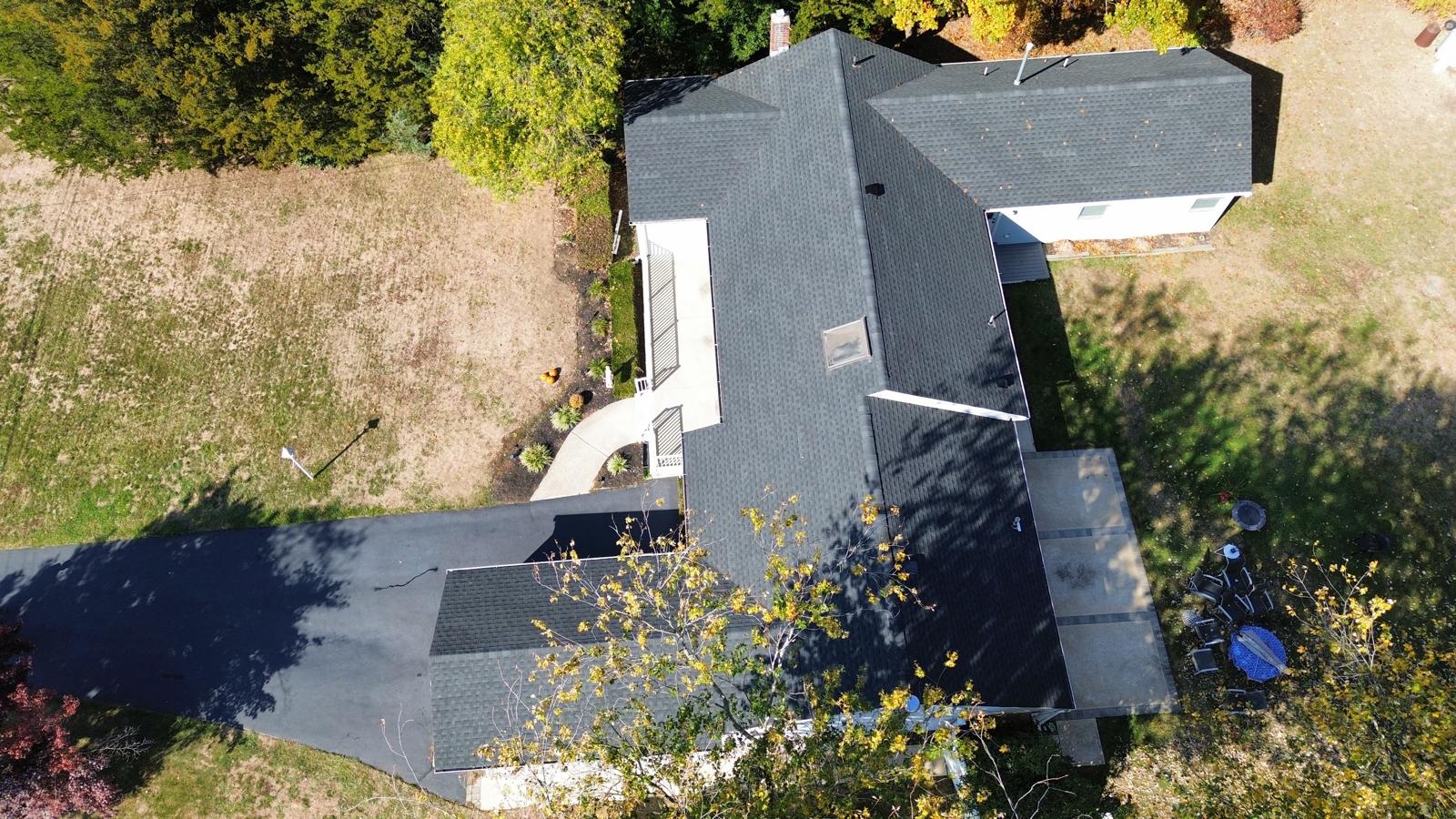
A small roof leak might not seem like a big deal — until it leads to mold, insulation damage, or thousands in repair costs. As a New Jersey homeowner, your roof is the first line of defense against the Garden State’s famously volatile climate. We’re talking about everything from blistering summer heat and humidity to the heavy snow and ice dams of winter, as well as the fierce coastal winds and torrential rainfall that can hit us at any time. This extreme, fluctuating weather is why a minor roofing problem in New Jersey can escalate into a structural disaster faster than you might think. Many homeowners only think about their roof when they see a stain on the ceiling. By then, a quick fix is usually off the table. This article will shine a light on the most common and easily overlooked roofing issues NJ homeowners face, and most importantly, provide you with actionable advice on how to prevent them and what to look for during a regular roof inspection in New Jersey. Why Ignoring Roofing Problems Is Costly The core danger of neglected roof issues is simple: water intrusion. A small crack in a shingle or a tiny gap in the flashing allows water to seep into the underlayment and, eventually, into the structural wood of your roof deck and attic. This progression turns a $200 shingle repair into a scenario that can cost tens of thousands: The single best strategy for New Jersey homeowners is proactive maintenance. A routine inspection—especially after severe weather—can save you thousands in the long run by catching problems while they are still small. The Most Commonly Ignored Roofing Problems in New Jersey Homeowners frequently dismiss these six issues, but they account for the vast majority of emergency roof repair calls we receive in NJ. Small Roof Leaks (The Silent Destroyer) Often, a leak doesn’t start as a dramatic drip; it begins as minor seepage that you might only notice during a hefty rainstorm. Clogged Gutters and Downspouts (The Drainage Nightmare) In the fall, New Jersey’s beautiful foliage can become your roof’s enemy. Heavy debris accumulation prevents proper water flow. Damaged or Missing Shingles (Post-Storm Vulnerability) After any significant wind or hail event—common occurrences from the shore to the suburbs—it’s easy to miss a few lifted or broken shingles from the ground. Seasonal Roofing Challenges in New Jersey New Jersey’s distinct seasons put a unique strain on our roofs, requiring a cyclical approach to roof maintenance NJ. Season Challenge Preventive Maintenance Winter Ice Dams & Heavy Snow: Trapped water forces its way under shingles. Ensure attic is well-ventilated and insulated; keep gutters clear before the first snow; consider heat cables in problem areas. Spring Freeze/Thaw & Heavy Rain: Exposes shingles cracked over winter. Perform a full post-winter roof inspection New Jersey to check for missing shingles and flashing damage. Summer Extreme Heat & Humidity: Causes roofing materials to expand and contract; promotes mold/algae growth. Maximize attic ventilation to reduce heat buildup and extend shingle life. Trim tree branches. Autumn Foliage Clogs: Leaves and debris fill gutters, setting up winter issues. Thoroughly clean all gutters and downspouts before the first frost. Inspect chimney caps and seals. When to Call a Professional Roofer in NJ While spot-fixing a loose shingle is manageable, sure signs demand the expertise of a licensed roof repair NJ professional: Hiring a trustworthy, locally-focused contractor for regular inspections is the single best investment you can make. Professionals are trained to spot subtle, easily missed signs of early structural failure and hidden roofing problems in New Jersey that the untrained eye might overlook. Conclusion Most major, costly roof replacements start as small, ignored issues—a single clogged gutter, a missing shingle, or a barely visible hairline crack in the flashing. New Jersey’s unrelenting weather conditions ensure these minor problems will not fix themselves; they will only get worse. Protect your home and your wallet by shifting your approach from reactive crisis management to proactive prevention. Don’t wait for the next storm to reveal a disaster. Take control of your home’s defense today. Whether you’re in Newark, Trenton, or Jersey City, taking care of your roof today can prevent costly headaches tomorrow. Contact a trusted local contractor for a comprehensive roof inspection in New Jersey to identify these early warning signs and secure the longevity of your
Why Every Home Needs a Chimney Cap in NJ
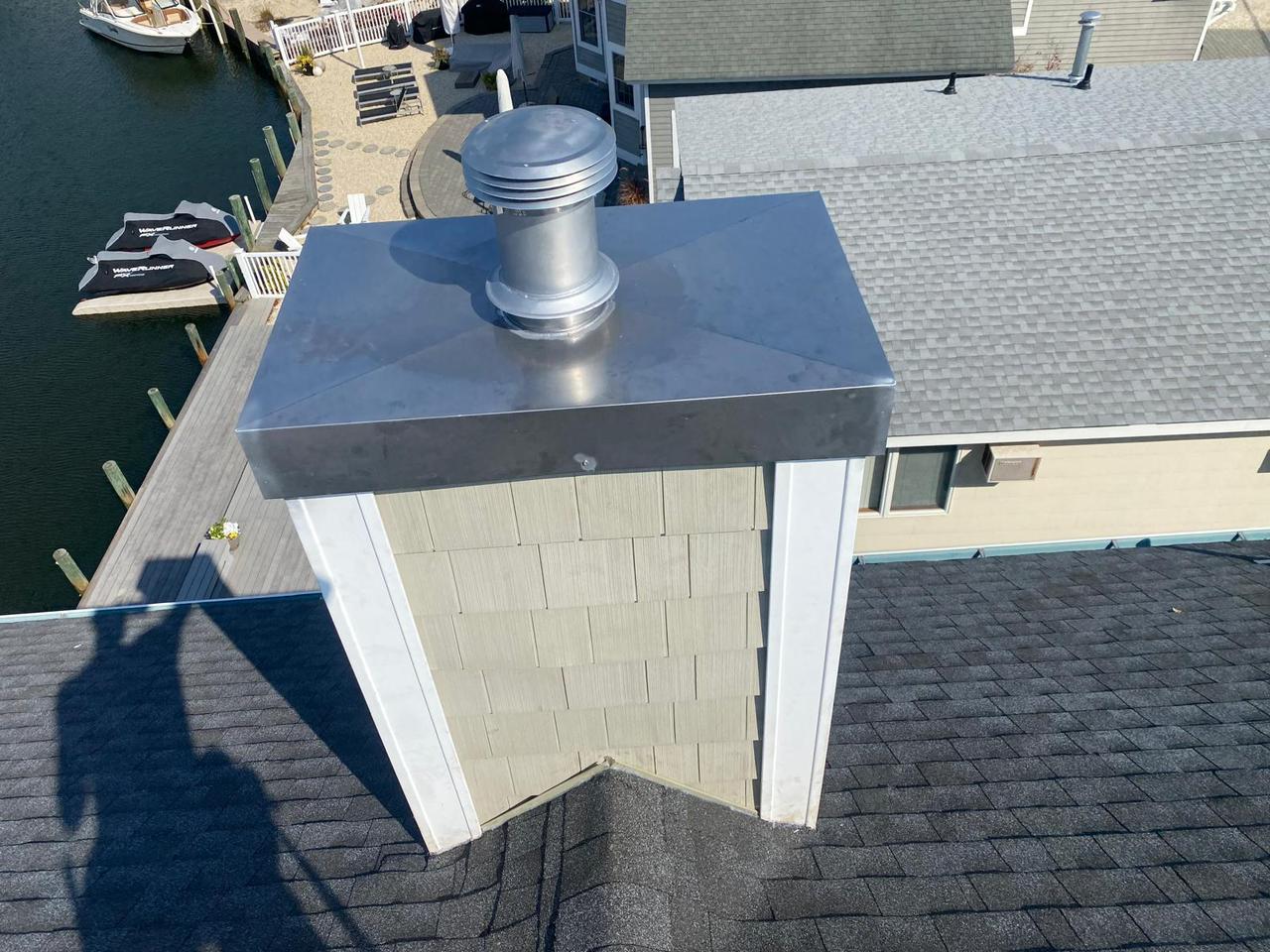
If you own a home in New Jersey, your chimney faces everything from heavy rain and persistent snow to strong coastal winds, and even curious wildlife — and one small accessory can protect it all: the chimney cap. Perched right at the top of your chimney’s flue, the cap is an unsung hero of home maintenance. It’s one of the most affordable, yet absolutely crucial, upgrades you can make for overall chimney safety and longevity. Ignoring this simple component can lead to thousands in avoidable costs for chimney repair and inspection in NJ. What Is a Chimney Cap and Why Is It Important? A chimney cap is a metal umbrella for your chimney system. It works by covering the open flue with a durable metal hood, which overhangs the opening to shed water. Crucially, it also features a mesh screen that wraps around the sides. This simple design offers multi-faceted protection: Common materials used in chimney cap installation in NJ include stainless steel (the gold standard for durability), premium copper, and budget-friendly galvanized metal. For the harsh, varied weather of New Jersey, choosing a high-quality material is essential. 5 Reasons Every NJ Home Needs a Chimney Cap Protecting your home from the elements is a priority, and for your chimney, the cap is the first line of defense. Here are five powerful reasons why a chimney cap is essential for your New Jersey home: 1. Protects Against Costly Water Damage New Jersey’s climate delivers a mix of heavy rain, freezing temperatures, and snow. Without a cap, water pours straight into your chimney flue. This constant moisture intrusion causes severe, costly damage: A chimney cap is the simplest way to prevent thousands of dollars in water-related chimney repairs in New Jersey. 2. Keeps Out Animals and Birds As the weather cools, raccoons, squirrels, bats, and birds see your warm, dark chimney as the perfect nesting site. A chimney cap’s wire mesh screen acts as an impenetrable barrier. Without a cap, an animal infestation can cause: 3. Prevents Smoke Downdrafts New Jersey’s strong coastal winds and winter storms can sometimes overpower the natural draw of your chimney, creating a downdraft that pushes smoke and ashes back into your living room. A properly designed and fitted chimney cap helps to manage wind turbulence at the chimney’s opening, promoting steady, consistent airflow. This ensures that smoke and harmful gases are reliably pulled up and out of your home. 4. Blocks, Leaves, and Flammable Debris During the beautiful, but messy, fall season in NJ, leaves and twigs fall directly onto your roof. Without a cap, this organic debris collects at the bottom of your flue. This buildup drastically increases the risk of a dangerous chimney fire. A cap keeps the flue clear, ensuring proper ventilation and reducing the fire hazard. 5. Improves Fireplace Efficiency & Safety By keeping the flue clear and preventing sudden downdrafts, a chimney cap helps your fireplace draft correctly. This leads to a cleaner, more efficient burn, less smoke backflow into your home, and an all-around safer environment for your family. Common Chimney Problems Caused by Missing Caps If you are missing a chimney cap, you are likely to experience one or more of these tell-tale signs: Choosing the Right Chimney Cap for NJ Homes When considering chimney protection New Jersey, the material you choose matters for longevity: Material Key Benefits for NJ Homes Budget Stainless Steel Best Durability and weather resistance. Will not rust. Recommended for most homes. Mid-Range Copper Premium Aesthetic. Excellent weather resistance and develops an attractive patina over time. High-End Galvanized Steel Budget Option. Least expensive, but can rust and degrade faster in harsh climates. Low-End Why Hire a Professional Chimney Service in NJ Installing a chimney cap is not a DIY job. Climbing onto a New Jersey roof is dangerous, and proper sizing is essential for the cap to function correctly. When you hire a certified chimney contractor in NJ, you get much more than just an installation: Conclusion & Call-to-Action A chimney cap is a small investment that offers disproportionately large protection against unpredictable weather, problematic wildlife, and catastrophic water damage in New Jersey. It is a fundamental component of a safe, efficient, and well-maintained home. Don’t wait until you’re facing a costly leak or an animal invasion! Schedule your professional chimney repair and inspection in NJ, or chimney cap installation in NJ, today to ensure your fireplace and chimney stay safe and operational year-round.
Roof Inspection in NJ – Keep Your Roof Safe Year-Round
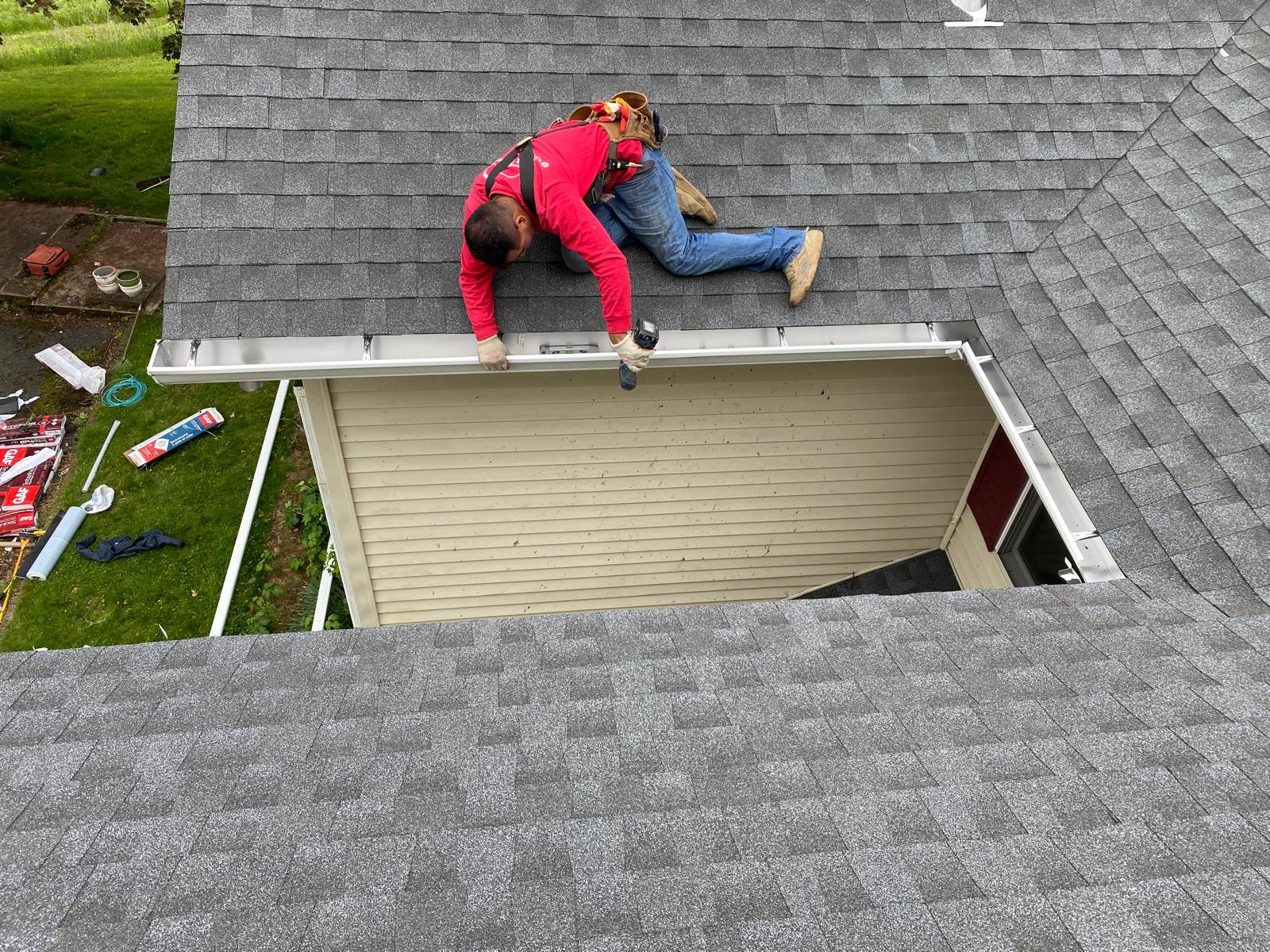
Roof Inspection in NJ – Keep Your Roof Safe Year-Round When was the last time you had your roof inspected?For most homeowners in New Jersey, the answer is often “not recently.” The roof silently protects your home through storms, snow, and sun — but like any structure, it needs attention. A professional roof inspection in NJ can prevent costly surprises and extend the life of your roof for years. Understanding the Purpose of a Roof Inspection A roof inspection isn’t just about spotting missing shingles or visible damage. It’s a preventive maintenance step that helps you identify issues early.Professional inspectors evaluate: Shingle condition and granule loss Flashing and sealant integrity Gutter performance and drainage Structural sagging or soft spots Moisture buildup or mold development In New Jersey, where seasonal changes can be harsh, this proactive approach can make a huge difference between a small repair and a full roof replacement. How Often Should You Schedule a Roof Inspection in NJ? Experts recommend at least one inspection per year — ideally in spring or fall.However, you should also schedule an inspection after: Major storms with strong winds or hail Heavy snow accumulation Roof replacements or major repairs When buying or selling a home Because New Jersey’s weather can shift quickly from freezing winters to humid summers, these regular checks are essential for maintaining a strong and safe roofing system. What Happens During a Professional Roof Inspection A professional NJ roof inspection is a thorough process. Typically, it includes: 1. Exterior Evaluation Inspectors check shingles, flashing, and gutters for damage or deterioration. They may use drones or cameras to assess hard-to-reach areas safely. 2. Interior Assessment In the attic, the inspector looks for signs of leaks, insulation issues, and ventilation problems. Moisture stains or light seeping through the roof boards can signal serious concerns. 3. Documentation & Recommendations After the inspection, you’ll receive a detailed report with photos, notes, and recommendations for repair or replacement. This documentation is also valuable if you need to file an insurance claim later. Common Roof Issues Found During NJ Inspections Homeowners are often surprised at what a professional eye can catch. Some of the most common findings include: Curling or cracked shingles: A sign of aging materials or heat exposure. Loose flashing: Can cause water to seep into the structure. Blocked gutters: Leads to water pooling and potential foundation damage. Poor ventilation: Causes moisture buildup and attic mold. Hidden leaks: Small drips that can eventually damage ceilings or insulation. Addressing these issues early can save thousands of dollars and keep your home energy efficient year-round. Why Roof Inspections Are Especially Important in New Jersey New Jersey roofs face unique challenges.From coastal humidity to heavy snow in the north, each region puts different stress on roofing materials. Asphalt shingles can loosen in high winds, while ice dams in winter can lift flashing and create leaks. Regular inspections help adapt maintenance to your local conditions, ensuring long-term protection for your home. The Cost of a Roof Inspection in NJ The cost varies depending on roof size and accessibility but typically ranges between $150 to $400.This small investment can prevent major expenses later — especially considering that roof replacements in NJ can cost anywhere from $8,000 to $20,000 or more. Some contractors even offer free inspections if you suspect storm damage or are considering a new roof installation. Always confirm whether the inspection is comprehensive and includes a written report. FAQs About Roof Inspections in NJ How long does a roof inspection take? Most inspections take between 45 minutes and two hours, depending on your roof’s size and complexity. Do I need to be home during the inspection? It’s not required, but it’s helpful so you can review the findings directly with the inspector. Can roof inspections detect leaks before they’re visible? Yes. Professionals use moisture meters and infrared technology to find hidden leaks before they cause visible damage. Will a roof inspection increase my home’s resale value? A recent inspection report reassures potential buyers that your home is well-maintained, which can help during negotiations. When to Call the Professionals If it’s been more than a year since your last inspection — or if you’ve noticed signs like interior stains, missing shingles, or mold growth — it’s time to contact a roof inspection specialist in NJ.Professional contractors have the tools, training, and experience to catch problems early and recommend the best course of action for your home. Final Thoughts Your roof is your first line of defense against New Jersey’s unpredictable weather. Regular inspections not only protect your property but also save money, preserve comfort, and extend your roof’s lifespan.Whether you live along the coast or further inland, investing in a professional roof inspection in NJ is one of the smartest decisions you can make for your home. Request a FREE Estimate! At Deluxe Construction NJ we take seriously every project. We are keen on making our customer happy. If you have a similar project don’t hesitate to call us to request a free quote! FREE QUOTE
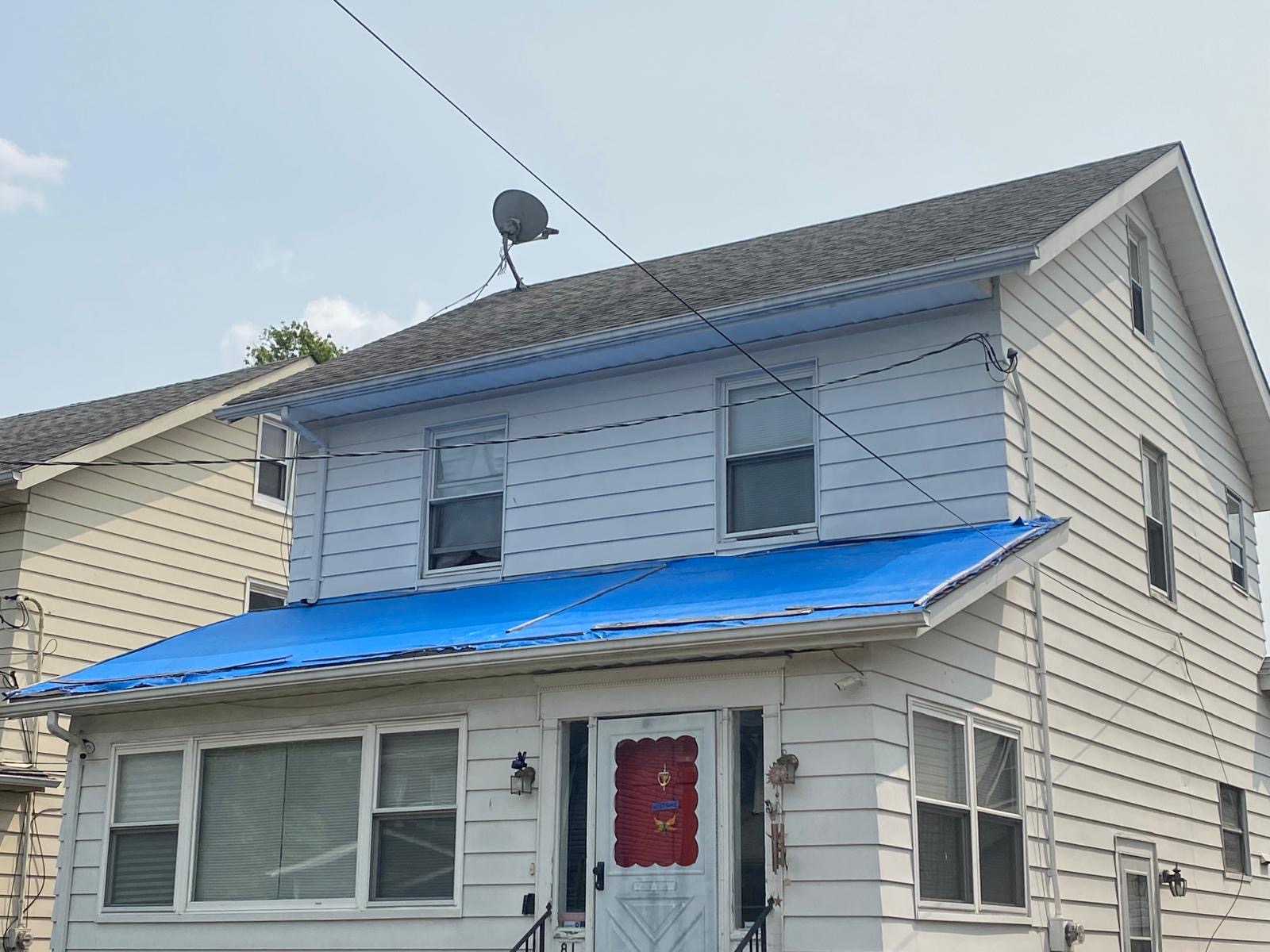
Planning a New Roof? Here’s What Every NJ Homeowner Should Know
Planning a New Roof? Here’s What Every NJ Homeowner Should Know A solid roof isn’t just part of your home’s structure—it’s its first and most important line of defense. Whether you’re building a new house, upgrading your old roof, or replacing one damaged by years of New Jersey weather, making the right choices during installation will determine how well your roof performs for decades. If you’re planning a roof installation in NJ, this guide explains what to expect, which materials work best for the local climate, and how to make sure your investment truly pays off. Why Roof Installation Matters More Than You Think Many homeowners focus on the aesthetics of their roof—color, style, curb appeal—but proper installation affects so much more. A well-installed roof: Improves insulation and energy efficiency. Prevents leaks and structural issues. Increases home resale value. Reduces maintenance costs over time. Poor workmanship, on the other hand, can shorten your roof’s lifespan dramatically. In New Jersey, where roofs must endure snow, rain, heat, and high humidity, correct installation is not optional—it’s essential. Choosing the Right Roofing Material for NJ Homes One of the most important decisions you’ll make is which roofing material to install. Each has its own advantages, costs, and maintenance requirements. Asphalt Shingles The most common choice for NJ homeowners. Affordable, durable, and available in many colors and styles. Lifespan: around 20–25 years. Metal Roofing Resilient against snow and wind, metal roofs are gaining popularity. They reflect heat in summer and shed snow easily in winter. Lifespan: 40–70 years. Flat Roof Systems (EPDM, TPO, or Modified Bitumen) Ideal for commercial buildings or modern homes with low slopes. These materials provide waterproof protection and energy efficiency when properly installed. Slate and Tile Roofing Premium options known for their beauty and durability. While more expensive, they can last 75 years or more and add a timeless look to historic or luxury homes. Your roofing contractor can help you select the material that best matches your home’s architecture, budget, and maintenance goals. The Roof Installation Process in New Jersey Installing a new roof isn’t just about putting on shingles—it’s a detailed process that requires precision and planning. Here’s what typically happens: Inspection & PlanningBefore work begins, the contractor inspects the existing structure, measures your roof, and recommends the best materials. Removing the Old RoofIf it’s a replacement, the old materials are carefully stripped away to reveal the decking underneath. Any rotten or damaged sections are repaired. Installing Underlayment & FlashingA waterproof layer is laid down to protect against leaks, and flashing is added around vents, chimneys, and valleys. Laying the Roofing MaterialShingles, panels, or membranes are installed according to manufacturer guidelines and local building codes. Finishing Touches & CleanupVents, ridges, and edges are sealed. The crew then removes all debris, nails, and leftover materials, leaving your property spotless. Final Inspection & WarrantyThe roofing team performs a final check to ensure every section meets quality standards and provides you with warranty details. Roof Installation Costs in NJ The cost of a new roof varies depending on size, materials, and complexity. In New Jersey, homeowners typically pay: Asphalt shingle roofs: $6,000 – $12,000 Metal roofs: $10,000 – $25,000+ Flat roofs: $8,000 – $18,000 Slate/tile roofs: $20,000 – $40,000+ While a new roof is a significant investment, it’s one that adds both comfort and long-term value to your property. Always request a written estimate and make sure the contractor is licensed, insured, and familiar with local regulations. What Makes Roof Installation in NJ Unique New Jersey’s mixed climate demands roofing systems that handle both cold winters and humid summers. Local installers know how to design proper ventilation, use weather-resistant materials, and ensure compliance with state and municipal building codes. Working with an experienced NJ roofing contractor means fewer callbacks, longer warranties, and better protection against storm damage. FAQs About Roof Installation in New Jersey Q: How long does a roof installation take?A: Most residential projects take one to three days, depending on roof size and weather. Complex designs or premium materials may take longer. Q: Do I need a permit for a roof replacement in NJ?A: Yes. Most towns and cities require a permit for full replacements. Your contractor should handle the paperwork to ensure compliance. Q: When is the best time of year to install a new roof?A: Spring through early fall is ideal, but professional crews can install year-round if conditions are safe. Q: How can I tell if I need a new roof instead of repairs?A: Signs include curling shingles, granule loss, persistent leaks, or visible sagging. A trusted contractor can inspect and advise you. Final Thoughts A high-quality roof installation in NJ is one of the smartest upgrades you can make for your home. From material selection to professional installation, every step impacts how well your roof stands up to the elements. If you’re planning a new roof, don’t rush the decision—choose a licensed New Jersey contractor with a proven reputation, transparent pricing, and strong warranties. With the right team and materials, your roof will not only protect your home but enhance its value for decades to come. Request a FREE Estimate! At Deluxe Construction NJ we take seriously every project. We are keen on making our customer happy. If you have a similar project don’t hesitate to call us to request a free quote! FREE QUOTE
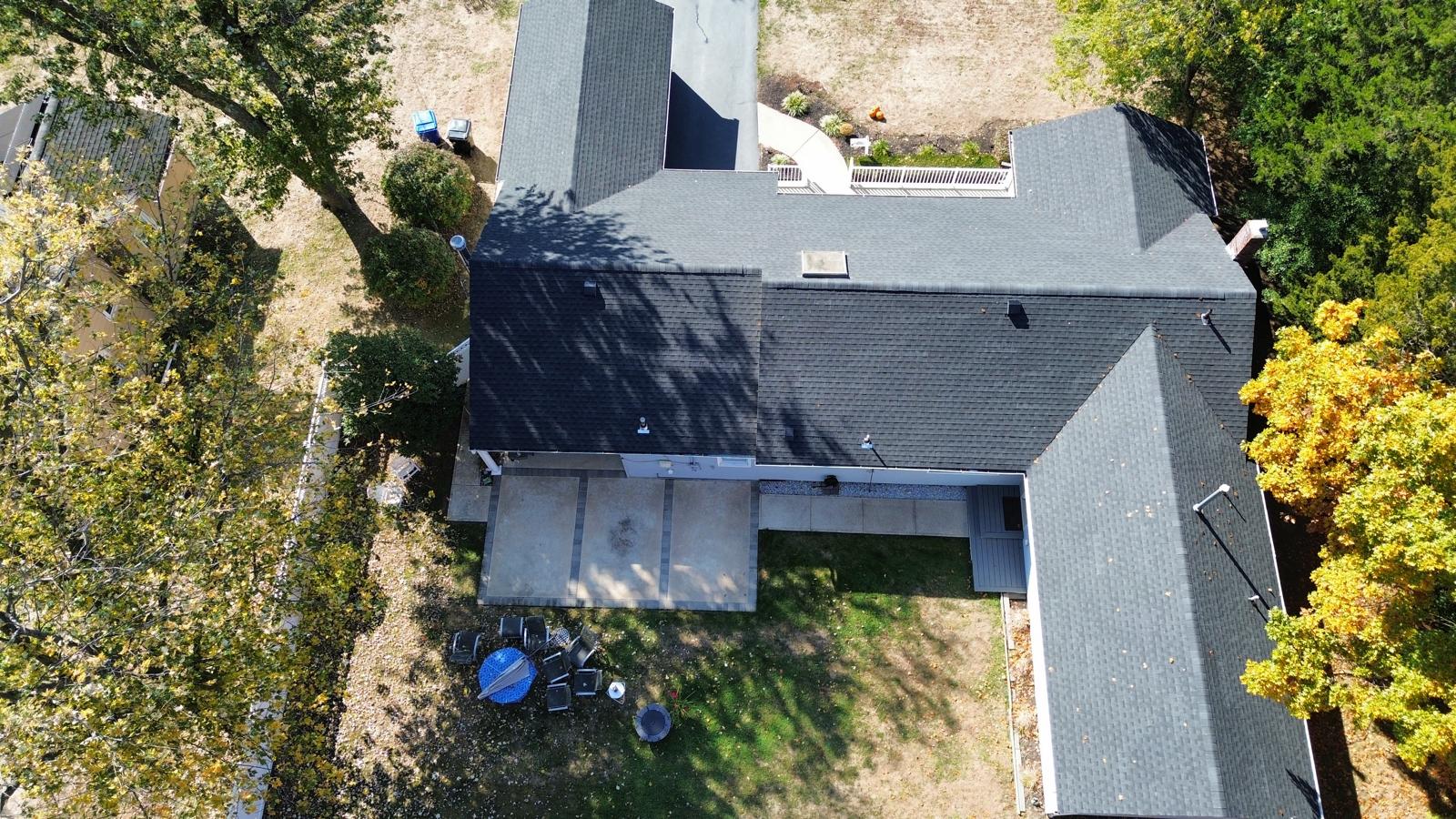
Winter Is Coming: How to Prepare Your Roof in New Jersey
Winter Is Coming: How to Prepare Your Roof in New Jersey As the temperatures drop and the first signs of frost begin to appear, New Jersey homeowners know what’s around the corner; snow, ice, and unpredictable storms. While winter brings its share of beauty, it also brings challenges for your home, especially your roof. A strong, well-maintained roof is your first defense against the harshest weather, and preparing it in advance can prevent expensive repairs down the line. In this article, we’ll explore why roof repair and maintenance are so important in New Jersey, what issues to look out for, and how to make sure your home is ready for the cold season. Why Roof Maintenance Matters Before Winter New Jersey’s climate is demanding on roofing systems. Summers bring humidity and heat, autumn piles leaves into gutters, and winters cover everything in heavy snow. Small cracks, loose shingles, or blocked drainage may seem minor now, but once snow and ice arrive, those small problems can quickly escalate. A neglected roof in winter could lead to water infiltration, ice dams, mold growth, or even structural damage. Proactive care now means peace of mind all season long. Common Winter Roofing Challenges in NJ Every winter, roofers in New Jersey receive calls for emergency repairs caused by problems that could often have been prevented. Some of the most frequent issues include: Ice dams: Snow melts and refreezes at the edges of roofs, forcing water under shingles. Heavy snow loads: Flat and older roofs are particularly at risk of sagging or collapse. Wind damage: Winter storms can rip off loose shingles or flashing. Blocked gutters: Frozen debris stops water from draining, leading to leaks. Knowing these risks gives you a head start on preventing them. Roof Repair or Replacement: How to Decide One of the most common questions homeowners face before winter is whether their roof needs a simple repair or a full replacement. The answer depends on several factors: If your roof is under 10–12 years old and the damage is localized—say, a missing patch of shingles—repairing is usually enough. If your roof shows widespread wear, multiple leaks, or is over 20 years old, replacement might be the smarter investment. A professional inspection is the best way to determine which option suits your home. In New Jersey, many roofing contractors offer free or low-cost inspections that give you a clear picture of your roof’s condition. Preparing Your Roof for the Cold Season There are a few essential steps every New Jersey homeowner should consider before the first snow falls. Schedule a Professional InspectionA roofer can spot weaknesses invisible from the ground, such as soft spots in the decking or compromised flashing around chimneys. Clean Gutters and DownspoutsClogged gutters can trap water, which freezes and expands in winter, damaging both the roof and siding. Replace Missing or Damaged ShinglesEven a small exposed area can let in water that turns into costly interior damage. Check Attic Insulation and VentilationProper airflow prevents ice dams and helps regulate indoor temperatures, saving on heating costs. Trim Overhanging BranchesHeavy snow can snap branches, which may fall directly onto your roof. How Much Does Roof Repair Cost in New Jersey? Prices vary depending on the type of repair, the size of your roof, and the materials used. Minor shingle replacements or sealing work might cost only a few hundred dollars, while repairing storm damage or addressing structural issues could run into the thousands. On average, homeowners in New Jersey can expect: Small repairs: $300 – $800 Medium repairs: $800 – $2,500 Extensive work: $2,500 and up Investing in timely repairs is far less expensive than waiting until small issues cause major water or structural damage. Frequently Asked Questions Q: Can I wait until spring to fix roof problems?A: It’s risky. Winter conditions can worsen existing issues, leading to higher repair costs in the spring. If damage is spotted in fall, it’s best to act quickly. Q: Does homeowners insurance cover roof damage in New Jersey?A: Policies often cover sudden damage caused by storms, wind, or falling trees, but not wear and tear from age. Always check your policy for specifics. Q: How long does it take to repair a roof?A: Minor repairs may be completed in just a few hours, while larger projects can take several days. Weather conditions also play a role in scheduling. Final Thoughts Winter in New Jersey can be unforgiving, but with the right preparation, your roof will protect you through the worst of it. From clearing gutters and replacing damaged shingles to scheduling a professional inspection, a little effort now goes a long way. If your roof already shows signs of damage, don’t wait until the first snowstorm to address it. Timely roof repair in NJ not only saves you money but ensures your home stays warm, dry, and safe all winter long. Request a FREE Estimate! At Deluxe Construction NJ we take seriously every project. We are keen on making our customer happy. If you have a similar project don’t hesitate to call us to request a free quote! FREE QUOTE
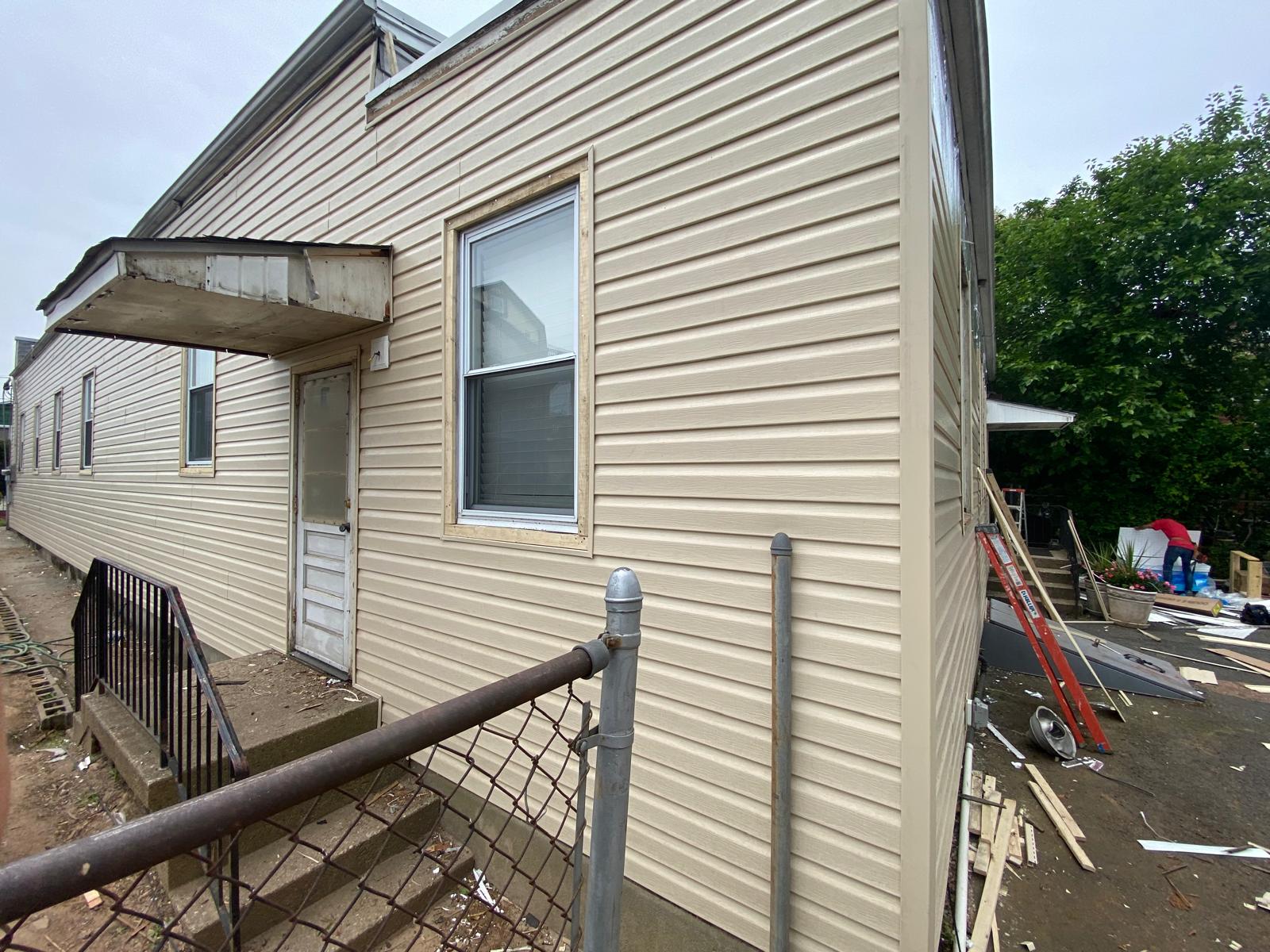
Top 5 Siding Materials for New Jersey Homes: A Guide to Durability and Style
New Jersey homeowners face a unique set of challenges when it comes to protecting their most valuable asset: their home. From the scorching, humid summers and frigid, snowy winters to the unpredictable coastal storms and significant temperature fluctuations, your home’s exterior takes a beating year-round. Choosing the right siding is one of the most critical decisions you’ll make for long-term durability, energy efficiency, and curb appeal. This comprehensive guide is designed specifically for New Jersey residents. We’ll move beyond generic lists to explore the top siding materials that stand up to our state’s distinct climate, while also matching the popular architectural styles like Colonial, Craftsman, and Farmhouse homes. We’ll break down the pros and cons, discuss cost and maintenance, and help you find the perfect siding solution for your New Jersey home. 1. Fiber Cement Siding: Unmatched Durability for NJ Weather When it comes to withstanding New Jersey’s diverse weather patterns, fiber cement siding is a top contender. Made from a blend of cement, sand, and cellulose fibers, this material is engineered for incredible strength and longevity. Pros: Cons: Best For: New Jersey homeowners prioritizing long-term durability, low maintenance, and a high-end, classic aesthetic. It’s an excellent choice for homes in coastal or storm-prone areas. 2. Engineered Wood Siding: The Look of Wood, the Strength of Science For homeowners who love the timeless look of natural wood but dread the extensive maintenance, engineered wood siding is a compelling alternative. Brands like LP SmartSide have perfected this material, which is created by treating wood strands with a resin binder and wax, then pressing them into a durable board. Pros: Cons: Best For: Those who desire the aesthetic appeal of wood siding without the high-maintenance demands and vulnerability to pests and rot. It’s a great blend of classic style and modern performance. 3. Vinyl Siding: The Cost-Effective, Low-Maintenance Champion Vinyl siding is a staple across the United States, and for good reason. It’s an affordable and low-maintenance choice that has evolved significantly over the years. Modern vinyl siding comes in a vast array of colors, styles, and textures. Pros: Cons: Best For: Budget-conscious homeowners who prioritize low maintenance and energy efficiency (especially with the insulated option). It’s a reliable choice for protecting a wide variety of homes across the state. 4. Wood Siding: Timeless Beauty with High-Maintenance Demands For certain traditional or historic New Jersey homes, nothing compares to the natural beauty of wood siding. Materials like cedar, pine, and redwood offer a timeless elegance and unique character that is highly sought after. Pros: Cons: Best For: Homeowners dedicated to preserving a historic aesthetic or those who are willing to invest in the high level of maintenance required to keep their home’s exterior in pristine condition. 5. Composite Siding: The Best of All Worlds? Composite siding is a newer innovation, often made from a blend of materials such as wood fibers, polymers, and other recycled materials. It’s designed to combine the aesthetic of natural wood with the durability and low maintenance of synthetic materials. Pros: Cons: Best for: Homeowners seeking a cutting-edge material that combines the aesthetic appeal of natural siding with the benefits of a low-maintenance, high-performance product. Siding Materials Quick Comparison Table Material Durability Cost Maintenance Best For… Fiber Cement Excellent High Low Extreme weather, high-end look, fire resistance Engineered Wood Very Good Mid-High Low-Mid The look of wood without the maintenance Vinyl Good Low Very Low Budget-conscious, low maintenance goals Wood Mid-Low High Very High Authentic, historic aesthetic, willing to invest in upkeep Composite Excellent High Low Cutting-edge performance, variety of styles Key Factors to Consider Before You Choose Choosing the best siding for your home is about more than just a list of materials. It’s about finding the right fit for your unique situation. Conclusion New Jersey’s climate demands a durable and reliable siding solution. Whether you choose the robust, long-lasting performance of fiber cement, the classic look of engineered wood, or the budget-friendly convenience of vinyl, each material offers a distinct set of advantages. By carefully considering your specific needs for durability, style, and maintenance, you can make a wise investment that will protect and beautify your home for decades to come. Need help making a final decision or want to see samples of these top-rated materials? Contact us today for a free, no-obligation siding consultation! Our experts will assess your home and provide a personalized recommendation to ensure you get the best siding for your New Jersey property.
Prepare Your Roof for Hurricane Season with a Roof Inspection
When hurricane season approaches, homeowners often focus on stocking up on essentials, securing outdoor furniture, and reviewing emergency plans. However, one of the most important preparations often gets overlooked—ensuring your roof is ready for the storm. Your roof serves as your first line of defense against high winds, heavy rains, and flying debris. A weak or damaged roof can lead to leaks, structural issues, and costly repairs. That’s why scheduling a professional roof inspection before hurricane season is a smart and proactive move. Why a Roof Inspection Matters Before a Hurricane A roof inspection goes beyond a simple glance at your shingles. It’s a thorough evaluation that identifies hidden weaknesses that you may not see. Hurricanes bring powerful winds that can tear off shingles, lift flashing, and expose underlayment. Heavy rain can then seep through even the smallest gaps, causing water damage inside your home. By catching these problems early, you can take corrective steps to save yourself from far more expensive repairs down the road. Common Weaknesses Found During Inspections Professional roofing contractors are trained to spot vulnerabilities that could leave your roof exposed during a storm. Here are some of the most common issues they find: By identifying these issues early, a roofing contractor can recommend timely repairs to strengthen your roof before a hurricane. Steps to Prepare Your Roof for Hurricane Season What Happens If You Skip an Inspection? Skipping a pre-season inspection increases your risk of roof failure during a hurricane. What could have been a simple repair may turn into: These issues are not only stressful but also far more expensive than preventative maintenance. Protect your home by scheduling a roof inspection before the storm season begins. How Often Should You Inspect Your Roof? Experts recommend at least two roof inspections per year—one in the spring and one before hurricane season begins. Additionally, always schedule an inspection after any major storm. Regular inspections help catch minor problems before they escalate into major ones, saving you time and money in the long run. Trust Professionals for Peace of Mind When hurricane season nears, homeowners want to ensure their property is secure. A certified roofing contractor brings expertise, safety, and the right tools to assess and fortify your roof. They’ll provide a detailed written report, which can also be useful for insurance purposes. Why Choose Deluxe Construction NJ for Your Roof Inspection? At Deluxe Construction NJ, we understand the unique challenges homeowners face during hurricane season. Serving New Jersey and the surrounding areas, our team is committed to ensuring your home is safe and secure. We offer thorough roof inspections, honest assessments, and high-quality repairs, providing you with peace of mind before the storms roll in. When you work with us, you can expect: Final Thoughts Preparing your roof for hurricane season isn’t just about protecting shingles; it’s about protecting your home, your family, and your investment. By scheduling a professional inspection, making necessary repairs, and reinforcing weak areas, you’ll dramatically reduce the risk of storm-related damage. Don’t wait until the first storm warning. Schedule your roof inspection with Deluxe Construction NJ today and safeguard your New Jersey home before hurricane season begins. Don’t wait until the first storm warning. Schedule your roof inspection with Deluxe Construction NJ today and safeguard your Westchester home before hurricane season begins.
How to Choose the Right Chimney Contractor in New Jersey for Your Home
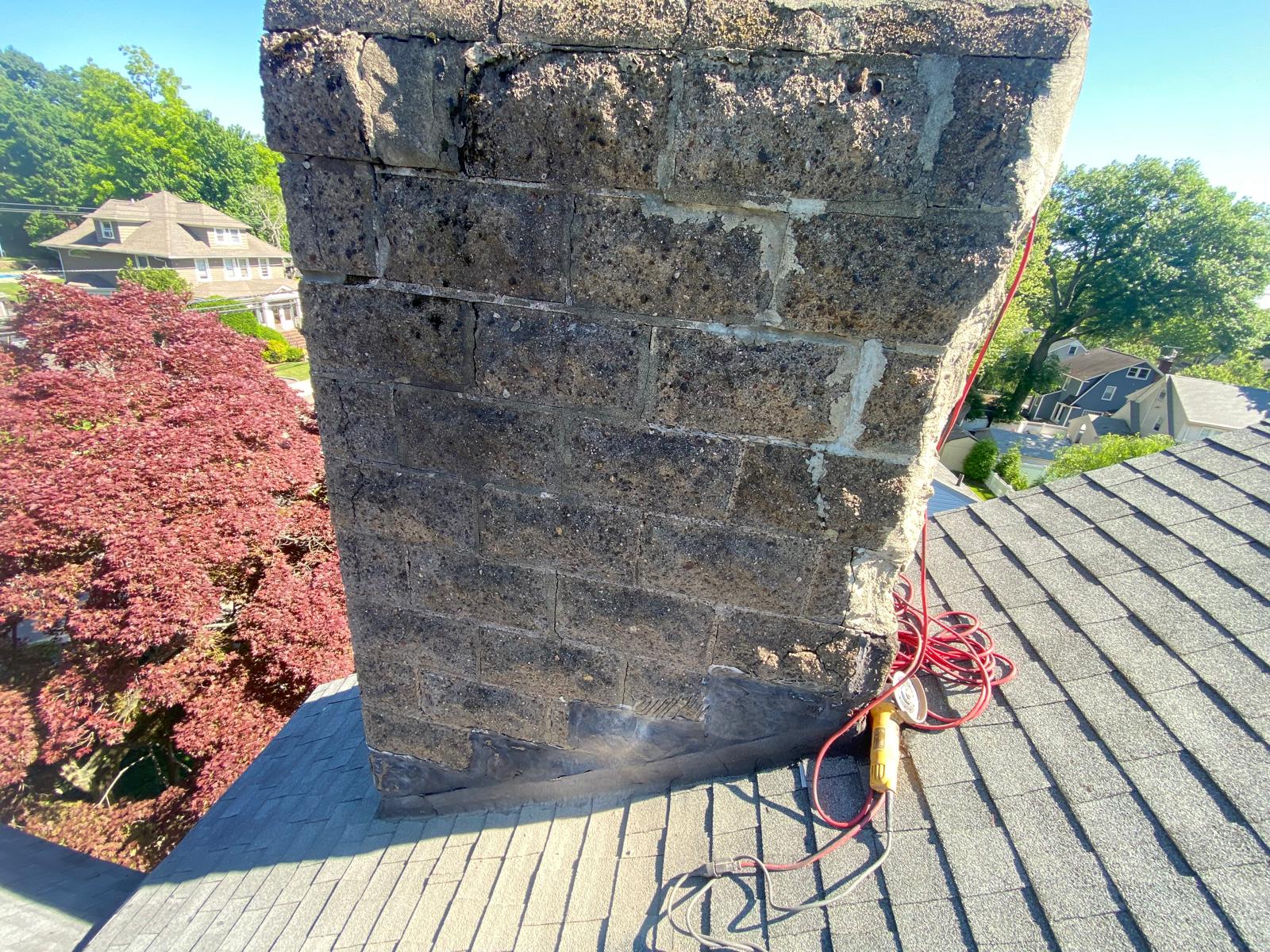
How to Choose the Right Chimney Contractor in New Jersey for Your Home The chimney of house plays an essential role in keeping your home safe, efficient, and comfortable. It does not only help you vent venting smoke properly, but it also protects the structure of your home against water damage. This is why a well-maintained chimney is vital for the overall health of your home. Problems do arise however. Whether it’s leaks, cracked bricks, or deteriorating mortar, finding the best chimney contractor New Jersey homeowners can trust is key. With so many companies offering chimney repair services New Jersey, knowing what to look for will help you make the right choice. Our first advice is to hire licensed chimney contractors in NJ. Working with licensed chimney contractors NJ ensures that the professionals handling your repairs meet industry standards and follow local building codes. Licensed contractors are trained to identify issues that may not be obvious to the untrained eye, such as hidden leaks or damaged liners. More importantly, hiring licensed professionals gives you peace of mind that the work will be done safely and correctly. Services Offered by Residential Chimney Contractors NJ Not every chimney issue requires a full rebuild. A qualified residential chimney contractor NJ can offer a wide range of services, including: chimney inspections that help identifying early signs of damage before they escalate. In addition they can offer chimney repairs which can address cracks, leaks, and mortar deterioration. Contractors can deal with flashing repair or replacement, a process that helps prevent water intrusion at the roofline. Moreover, a chimney contractor can do a thorough chimney cleaning which includes removing soot and creosote buildup to reduce fire hazards. And last but not least, they can do a rebuilding or relining, a process that includes restoring structural stability and ensuring proper airflow. How to Find the Best Chimney Contractor New Jersey With so many options, how do you know which company to choose? Here are some tips for finding a trusted chimney company in New Jersey: Check Credentials Read Reviews Ask About Experience Request a Written Estimate Look for Emergency Services Protect Your Home with Trusted Chimney Experts Your chimney is more than just a feature of your home. It is a critical system that safeguards your family’s comfort and safety. By choosing the best chimney contractor New Jersey, you ensure your chimney receives expert care, whether you need routine maintenance or major repairs. From licensed inspections to emergency fixes, the right residential chimney contractor NJ will provide reliable, cost-effective solutions. Request a FREE Estimate! At Deluxe Construction NJ we take seriously every project. We are keen on making our customer happy. If you have a similar project don’t hesitate to call us to request a free quote! FREE QUOTE
Chimney Contractor in New Jersey: Services, Costs, and What to Expect
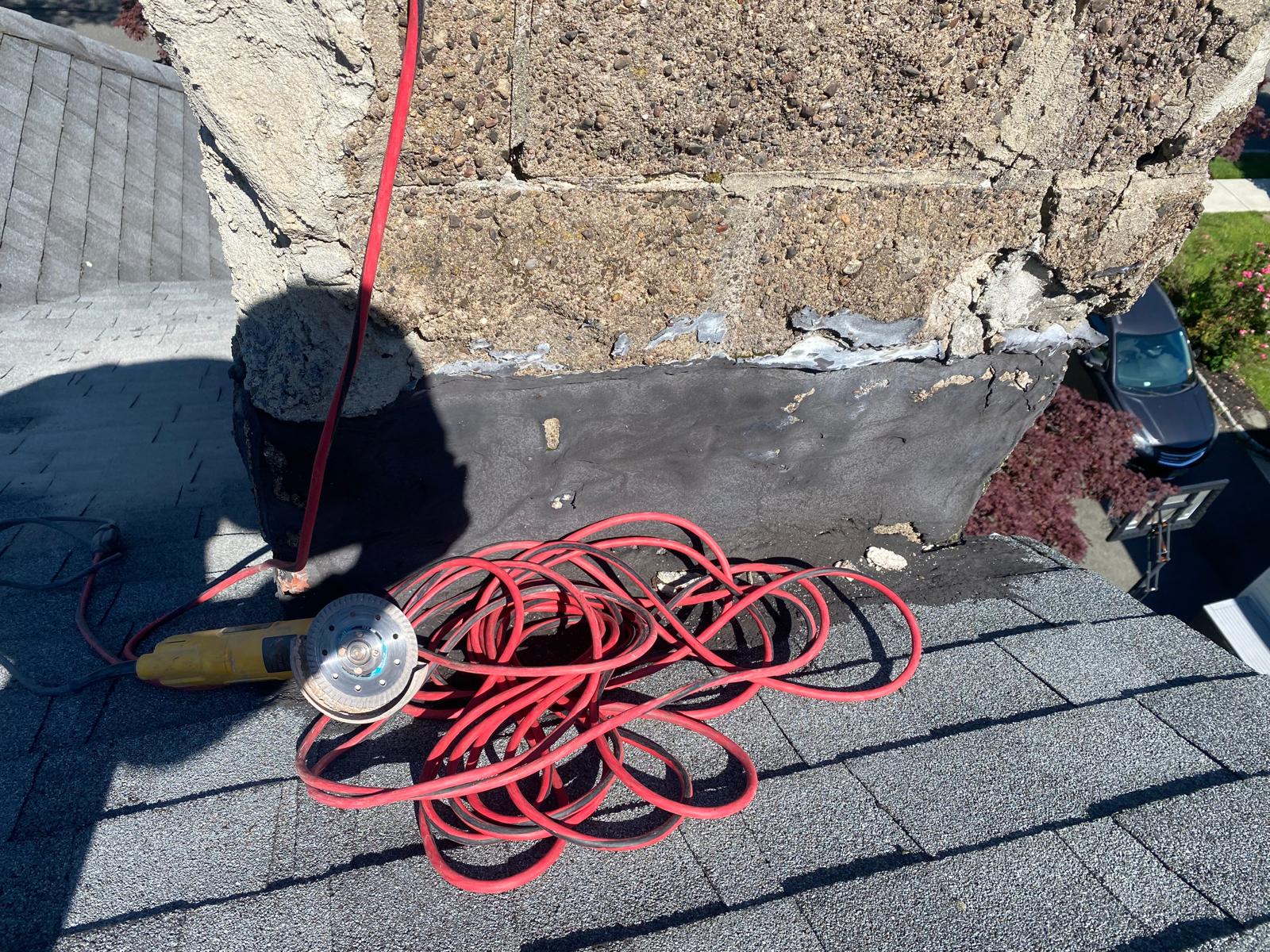
A chimney does more than add character to a home. It is part of the ventilation system for a fireplace or heating appliance and must remain structurally sound, properly maintained, and protected from water intrusion. Cracked masonry, deteriorated mortar, damaged flashing, a faulty cap, or a compromised flue can turn a relatively small maintenance issue into a much more expensive repair. If you are looking for a chimney contractor in New Jersey, the right approach is to have the chimney inspected first, understand the cause of the problem, and then choose the appropriate repair, maintenance, rebuilding, or installation solution. Deluxe Construction NJ provides chimney inspection, repair, installation, rebuilding, masonry, and related exterior construction services for residential and commercial properties throughout New Jersey. The company is licensed and insured and offers free estimates. What Does a Chimney Contractor Do? A professional chimney contractor evaluates, repairs, maintains, or installs the components that make up a chimney system. Depending on the property and condition of the chimney, services can include: A proper evaluation is important because visible damage does not always reveal the underlying problem. For example, water entering around a chimney may originate from damaged flashing, the crown, masonry joints, or another part of the roof-to-chimney connection. For homeowners who are unsure about the condition of their chimney, scheduling a professional [chimney inspection in New Jersey]chimney inspection in New Jersey is often the best first step. Common Chimney Services in New Jersey Chimney Inspection An inspection helps identify visible and hidden problems before they become major repairs. Depending on the circumstances, an inspection may evaluate the chimney’s: Deluxe Construction NJ states that its inspection services include residential and commercial evaluations, structural assessments, and checks for blockages, leaks, and other potential hazards. Its inspection service also describes Level 1, Level 2, and Level 3 inspections for different circumstances. Chimney Repair Not every damaged chimney needs to be rebuilt. Depending on the condition, a contractor may be able to repair specific components such as: Deluxe Construction NJ’s dedicated [chimney repair and restoration service]chimney repair and restoration service covers masonry repairs, tuckpointing, relining, cap replacement, leak-related repairs, and other restoration work. Chimney Rebuilding When deterioration is extensive, repairing individual areas may no longer be the most practical solution. A partial or complete chimney rebuild may be considered when there is: The appropriate solution should be determined after an inspection rather than simply based on the chimney’s age. Chimney Installation If you are constructing a new home, adding a fireplace, replacing an obsolete system, or changing the existing configuration, you may need a new chimney system. Deluxe Construction NJ provides [chimney installation services in New Jersey]chimney installation services in New Jersey for residential and commercial properties, including masonry and metal chimney systems. Its published installation process includes assessment, design and planning, permits and code considerations, installation, sealing, final inspection, and follow-up. Chimney Cap and Chase Cover Services The top of a chimney is particularly exposed to rain, snow, debris, and animals. A properly fitted cap or chase cover can help protect the chimney opening and reduce the opportunity for moisture and debris to enter the system. For example, Deluxe Construction NJ recently documented a project involving a custom stainless-steel chimney chase cover and cap installation designed to improve protection from water and wildlife intrusion. Signs You May Need a Chimney Contractor Some chimney problems are obvious, while others develop gradually. Contact a professional if you notice: 1. Cracked or Missing Bricks Broken, loose, or missing bricks can indicate deterioration within the masonry system. Leaving the problem unattended may allow moisture to penetrate deeper into the chimney. 2. Deteriorating Mortar Mortar joints can deteriorate over time because of repeated exposure to moisture, temperature changes, and weather. Repointing or tuckpointing may restore damaged joints when the underlying masonry remains suitable for repair. 3. Water Around the Chimney Water stains on ceilings or walls near the chimney should not automatically be assumed to be a roof problem. The chimney flashing, crown, masonry, cap, and surrounding roof area may all need to be evaluated. If the problem is actually roof-related, a professional [roof inspection in New Jersey]roof inspection in New Jersey can help determine whether the roof or chimney connection is contributing to the leak. 4. Damaged Flashing Flashing creates a water-resistant transition between the chimney and roof. When flashing becomes loose, damaged, corroded, or improperly sealed, water can enter the building envelope. 5. A Damaged Chimney Crown The crown helps shed water away from the chimney structure. Cracks or deterioration can allow water to reach areas that should remain protected. 6. Loose or Falling Masonry Loose bricks or pieces of mortar are more than a cosmetic concern. They can indicate deteriorating masonry that deserves prompt professional assessment. 7. Draft or Fireplace Performance Problems Changes in fireplace performance, unusual odors, smoke issues, or draft problems can indicate that the chimney or connected system requires evaluation. 8. Visible Damage After a Storm Strong wind, heavy rain, snow, and other severe weather can damage chimney caps, flashing, masonry, and other exterior components. If your property has recently experienced severe weather, an inspection can help identify problems that are not immediately visible from the ground. How Much Does a Chimney Contractor Cost in New Jersey? There is no single price for chimney work in New Jersey because the cost depends heavily on the type and extent of work required. A basic inspection will generally cost considerably less than a major chimney rebuild or new installation. Factors that can influence the final price include: Typical Cost Categories Chimney Service Relative Cost What Can Affect the Price Inspection Lower Inspection level, accessibility, chimney size Cleaning Lower Buildup, access, system condition Minor masonry repair Low–Moderate Area of damage and materials Flashing repair Moderate Roof configuration and extent of damage Crown repair Moderate Crown size and deterioration Chimney liner work Moderate–High Liner type and chimney configuration Partial rebuild High Amount of masonry requiring replacement Full chimney rebuild High Height, materials, structural condition New chimney installation High
Top 7 Siding Materials for New Jersey Homes: Pros & Cons
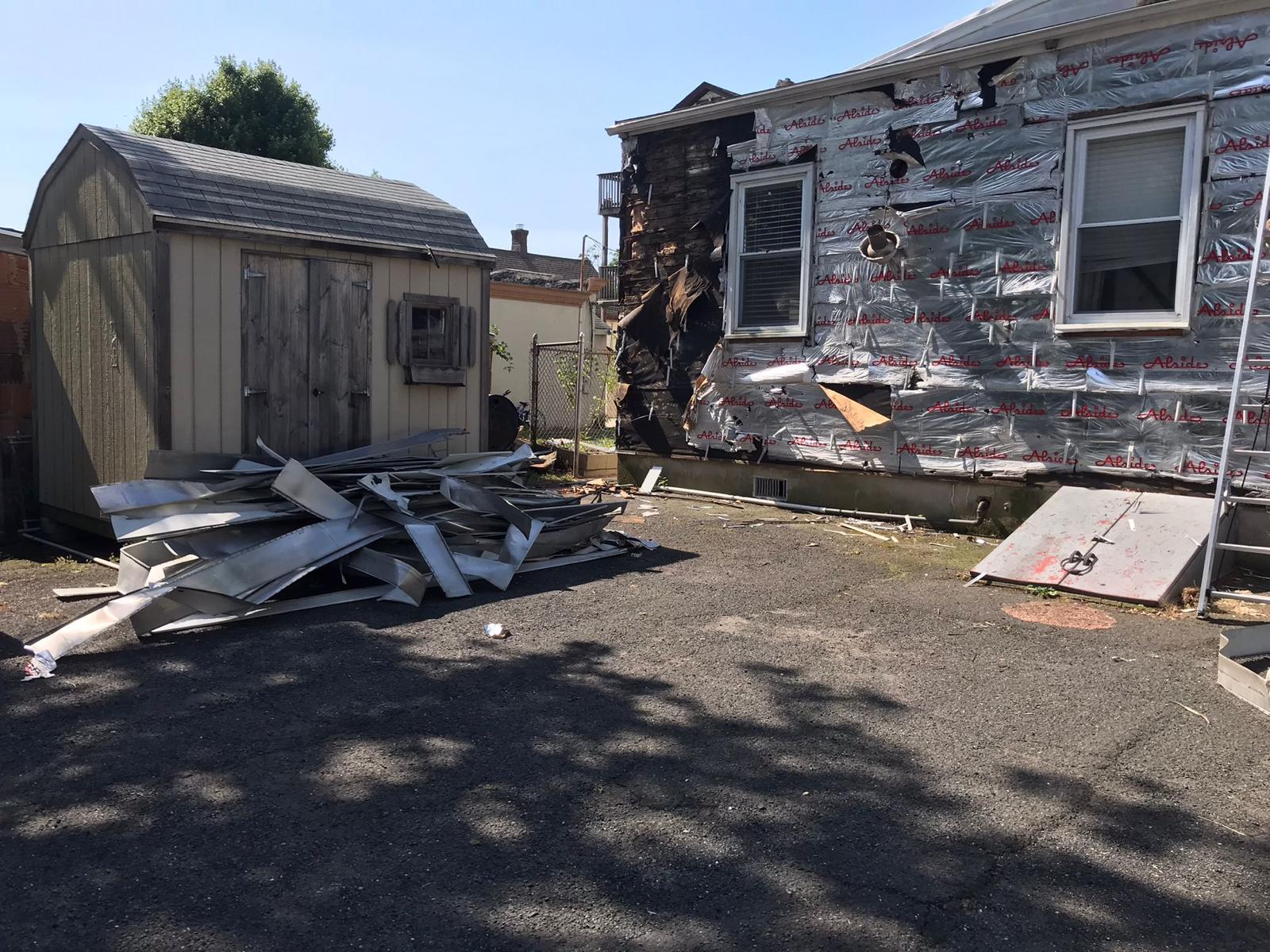
Your home’s siding does more than add curb appeal—it protects your house from harsh weather, improves energy efficiency, and can even increase property value. For homeowners in New Jersey, where winters can be cold and summers hot and humid, choosing the right siding material is a big decision. Each option comes with unique strengths and challenges, so understanding them is key to making the best investment for your home. Below, we will walk you through the top 7 siding materials used in New Jersey homes, along with their pros and cons, so you can decide which one best fits your needs, style, and budget. 1. Vinyl Siding Vinyl siding is one of the most popular options across the U.S., including New Jersey. Pros: Cons: Vinyl siding is an excellent choice for homeowners who want a balance of cost, durability, and variety. 2. Fiber Cement Siding Made from cement, sand, and cellulose fibers, fiber cement siding is known for its durability and modern look. Pros: Cons: Fiber cement is an excellent choice for homeowners seeking a long-lasting and stylish siding material that avoids the drawbacks of wood. 3. Wood Siding Wood siding offers a timeless, natural look that many homeowners love. Pros: Cons: If you are going for a rustic or traditional style, wood siding can be a stunning option—just be prepared for regular maintenance. 4. Engineered Wood Siding Engineered wood combines real wood fibers with resin and other materials to provide a more durable alternative to natural wood. Pros: Cons: Engineered wood siding strikes a balance between affordability, appearance, and performance. 5. Stucco Siding Stucco is a classic option for homes, particularly those with Mediterranean or Southwestern styles. Pros: Cons: In New Jersey’s mixed climate, stucco may require extra care but offers a distinctive look. 6. Brick Veneer Siding Brick veneer is not structural like traditional brick but offers a similar aesthetic. Pros: Cons: Brick veneer is ideal if you want the look of brick without the cost and weight of a whole brick wall. 7. Metal Siding Metal siding, especially aluminum and steel, is gaining popularity in modern home designs. Pros: Cons: Metal siding works exceptionally well for homeowners who want a sleek, modern look with durability. Choosing the Best Siding for Your New Jersey Home When deciding on siding, think about: Work with a Trusted Siding Contractor in New Jersey The right siding can transform your home’s appearance and performance—but proper installation makes all the difference. A professional siding contractor ensures your materials last as long as possible and perform well in New Jersey’s changing climate. If you are considering siding replacement or installation, Contact Deluxe Construction NJ, an experienced local contractor who understands both the materials and the demands of New Jersey homes.