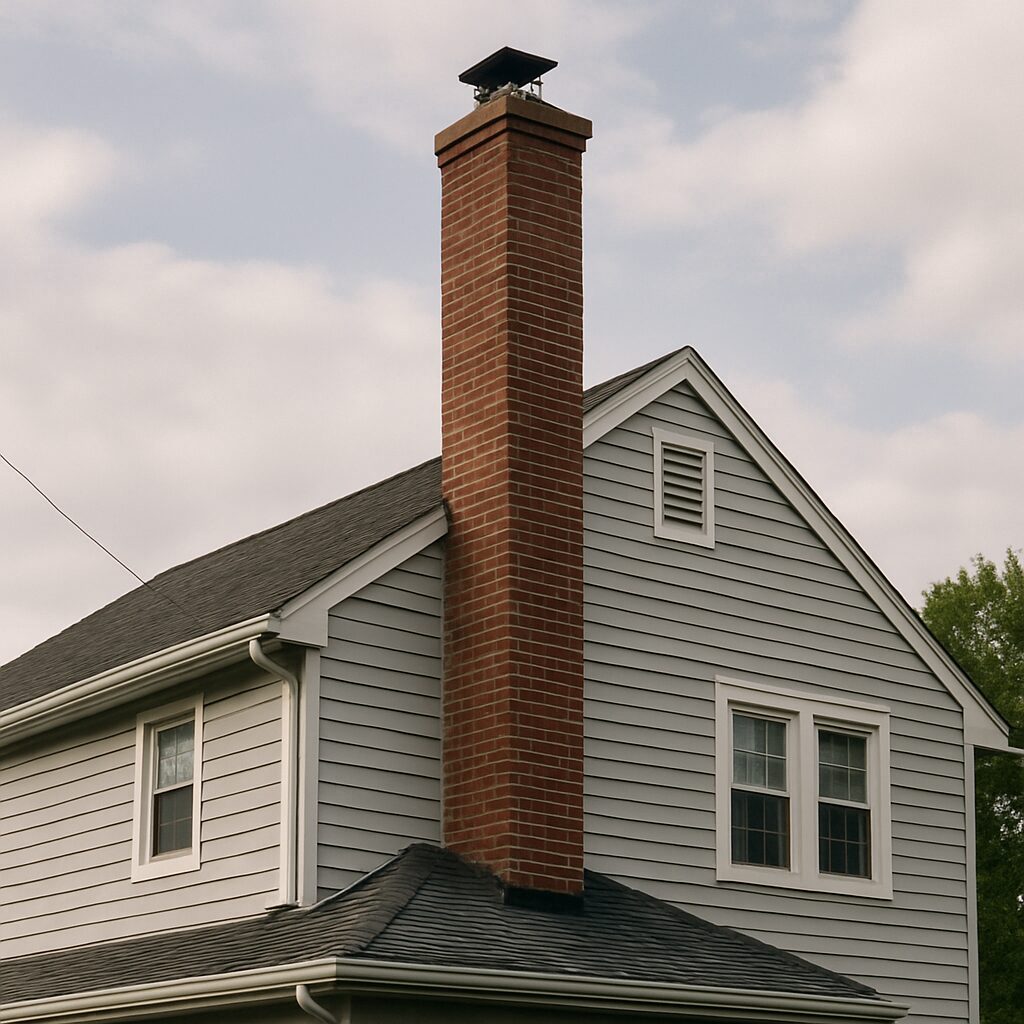
Homeowners in New Jersey often wonder if their insurance covers chimney repairs. This question is crucial, especially given the state’s varied climate. Chimneys are vital for home safety and comfort. They require regular maintenance to function properly. Insurance coverage for chimney repairs can be complex. It often depends on the cause of the damage. Understanding your policy is key. Not all damages are covered, and exclusions may apply. Regular inspections can prevent costly repairs. They may also be required by your insurer. This guide will help you navigate the intricacies of homeowners insurance for chimney repairs in New Jersey. Understanding Homeowners Insurance Coverage for Chimney Repairs in New Jersey Homeowners insurance generally provides coverage for chimneys under specific conditions. Typically, policies cover sudden and accidental damage. Understanding your policy is critical to know what’s included. In New Jersey, damage from events like storms or fires is often covered. Damage due to negligence or aging may not be included. The importance of knowing these details can’t be overstated. Review your policy for specific clauses related to chimney coverage. Policies can have unique terms, exclusions, or limitations. Common exclusions might involve gradual wear and tear or lack of upkeep. When reviewing your policy, consider the following: Understanding these elements helps in managing expectations. Regular consultations with your insurance agent can clarify questions. With the proper knowledge, you can effectively protect your home’s chimney. Common Causes of Chimney Damage and Insurance Implications Chimney damage can arise from various sources. In New Jersey, weather plays a significant role. Heavy storms or strong winds often lead to structural issues. Understanding these causes helps in assessing coverage. Typically, homeowners insurance covers weather-related damage. However, natural wear and tear or neglect usually aren’t covered. Knowing what your policy includes is vital. Some common causes of chimney damage include: Each type of damage has different insurance implications. For instance, fire damage is frequently covered. Conversely, water damage due to poor maintenance might not be. Ensuring your home’s regular upkeep is crucial. When you know what causes damage, you can take preventative actions. Regular inspections help reduce risks. Preparing for unexpected events also aids in navigating claims successfully. What Types of Chimney Damage Are Typically Covered? Homeowners insurance policies vary, but they often cover sudden and accidental damage. It’s important to know what your policy specifies. In many cases, coverage includes damage from unexpected events like fires or storms. For example, if a storm blows off chimney bricks, insurance might cover repairs. Wind and lightning damage is another common scenario. This type of coverage can ease repair costs significantly. Coverage usually applies to structural damage. Cracked or collapsed chimneys due to unforeseen events can qualify for claims. However, cosmetic damage without structural impact might not be covered. Types of chimney damage typically covered by insurance include: Insurers evaluate the cause and extent of damage. Documenting this helps in validating claims. Always read your policy carefully to understand specific terms. Knowing what’s included can save time and avoid unexpected financial burdens during repairs. What Is Not Covered: Exclusions and Limitations Homeowners insurance has exclusions, often leaving out wear and tear. Policies do not cover damage from regular use or neglect. Routine maintenance issues typically fall on homeowners. For instance, insurers might deny claims for damage caused by lack of upkeep. Cracks from settling or age-related deterioration generally aren’t covered. Understanding these limitations helps prevent surprises later. Commonly excluded damages include: Some policies might also exclude damage from pests or pre-existing issues. Reviewing and understanding your policy’s exclusions is crucial. This knowledge can help manage expectations and plan for necessary out-of-pocket expenses. Always maintain your chimney to avoid preventable damage and potential claim denials. The Importance of Regular Chimney Maintenance Regular maintenance is crucial for chimney health and safety. Proper upkeep can prevent damage from worsening over time. Moreover, insurers might require proof of maintenance for claims. Routine inspections can identify minor issues before they escalate. This proactive approach saves money and time. A well-maintained chimney also reduces fire risks in the home. Consider these maintenance tips: Adhering to these practices ensures your chimney stays in good condition. Regular maintenance fosters a safer home environment and can aid in successful insurance claims if needed. Steps to Take When Filing a Chimney Repair Insurance Claim in New Jersey Filing an insurance claim can be daunting, but preparation helps. Start by assessing the damage. Document everything with clear photos and notes. Next, review your insurance policy carefully. Understand what is covered and take note of any exclusions specific to chimney repairs. Contact your insurance provider promptly. Inform them about the damage and your intention to file a claim. They will guide you through their specific process. Gather necessary documentation. This includes repair estimates from professional contractors. An accurate assessment can bolster your claim’s credibility. Here’s a checklist to aid you in the process: Stay organized throughout the claims process. Keep records of all communication with your insurer. This includes emails, phone calls, and letters. Patience is key. Claims can take time, and following up may be necessary. With preparation and persistence, you can navigate the claims process successfully. Estimating Chimney Repair Costs in New Jersey Chimney repair costs can vary significantly depending on the damage extent. Factors like materials, labor, and repair type influence pricing. In New Jersey, minor repairs might cost a few hundred dollars. More extensive structural work can reach thousands, depending on complexity. Here’s what you might consider when estimating costs: Consulting a few professionals for estimates can provide a better price range. Detailed quotes help plan your budget and negotiate insurance claims more effectively. Tips for Maximizing Your Homeowners Insurance Claim Maximizing an insurance claim requires diligence and attention to detail. Begin by understanding your policy coverage thoroughly. Ensure that chimney repairs are covered under your specific circumstances. Documenting damage is crucial for successful claims. Take clear photographs immediately after the damage occurs. Gather all necessary repair estimates and other documentation supporting your claim. Consider these strategies to
What is a Level 2 Chimney Inspection?
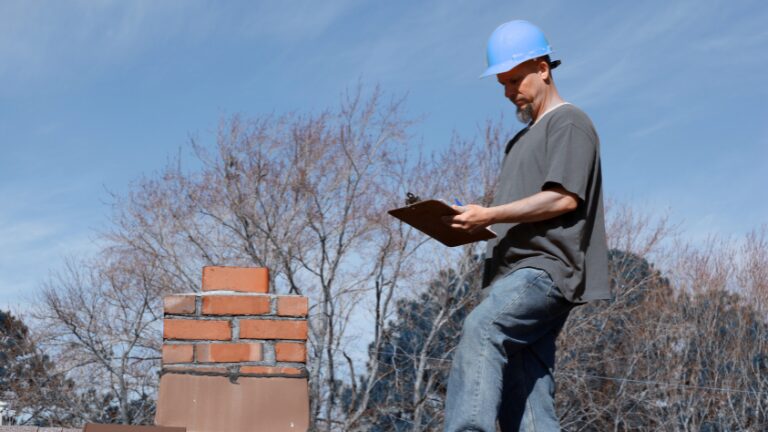
Your chimney does more than create ambiance on cold winter nights—it’s a critical safety system that protects your home from fire hazards and carbon monoxide exposure. Regular maintenance isn’t optional; it’s essential. According to the National Fire Protection Association (NFPA), chimneys should be inspected at least once a year, with more comprehensive evaluations required under specific circumstances. A Level 2 chimney inspection represents the mid-tier assessment in the NFPA’s three-level inspection framework. While less invasive than a Level 3 inspection, it goes far beyond the basic visual checks of a Level 1, providing homeowners with a thorough understanding of their chimney’s condition. Whether you’re buying a new home, switching from wood to gas, or recovering from storm damage, understanding what a Level 2 inspection entails can help you make informed decisions about your home’s safety. This guide breaks down everything you need to know about Level 2 chimney inspections—from when they’re required to what technicians look for, and how much you should expect to pay. Understanding the Three Levels of Chimney Inspections Before diving into the specifics of a Level 2 inspection, it helps to understand how it fits within the broader inspection framework established by the NFPA. Level 1 Inspection is the most basic assessment, appropriate when your chimney has been in regular use without any known issues. Technicians perform a visual inspection of readily accessible portions of the chimney, verifying that the structure is sound, the flue is clear, and all connections are secure. Think of it as a routine checkup—suitable for annual maintenance when nothing has changed with your fireplace or heating system. Level 2 Inspection becomes necessary when conditions change or when a more detailed examination is warranted. This inspection includes everything from Level 1, plus access to attics, basements, crawl spaces, and the use of specialized video scanning equipment to examine the interior of the flue. It’s designed to uncover hidden problems that could compromise safety. Level 3 Inspection is the most invasive option, required only when serious problems are suspected or confirmed. Technicians may need to remove portions of the chimney or building structure to access concealed areas. These inspections typically follow significant damage events or when Level 2 findings indicate potentially severe structural issues. What Exactly is a Level 2 Chimney Inspection? A Level 2 chimney inspection provides a comprehensive evaluation of your entire chimney system, from the firebox at the bottom to the cap at the top. Unlike a basic visual check, this inspection employs advanced technology and requires technicians to access areas of your home that aren’t part of routine maintenance. The inspection includes all components examined in a Level 1 assessment, then extends further. Technicians climb onto your roof to inspect the chimney crown, flashing, and cap. They enter your attic to verify proper clearances from combustible materials and check for signs of water damage or deterioration. In basements and crawl spaces, they examine the foundation of the chimney system, looking for structural issues or exposure to moisture. The defining feature of a Level 2 inspection is the use of closed-circuit video scanning equipment. A specialized camera is inserted into the flue, providing a detailed view of the interior surfaces. This technology allows inspectors to identify cracks, gaps in mortar joints, deterioration of the liner, and creosote buildup—issues that would be invisible during a standard visual inspection. Video scanning serves another crucial purpose: documentation. The recorded footage becomes part of your inspection report, providing clear evidence of the chimney’s condition. This documentation proves invaluable during real estate transactions, insurance claims, or when planning repairs. When is a Level 2 Inspection Required? The NFPA 211 standard specifies several scenarios that trigger the need for a Level 2 inspection. Understanding these requirements helps homeowners know when to schedule this more comprehensive assessment. Real estate transactions top the list. Whether you’re buying or selling a home with a chimney, a Level 2 inspection provides both parties with detailed information about the system’s condition. For buyers, it reveals potential problems before closing. For sellers, it demonstrates transparency and can prevent last-minute negotiation issues. Changes to your heating system also necessitate this level of inspection. Switching from wood to gas fuel requires verification that the flue is appropriately sized and in good condition. Installing a new insert, replacing an old appliance, or adding a fireplace to your home all constitute changes that impact how the chimney functions and what safety considerations apply. After damage events, a Level 2 inspection becomes critical. If your home has experienced a chimney fire, the intense heat can create cracks in the flue liner that aren’t visible from below. A building fire elsewhere in the structure may have affected the chimney’s integrity. Weather events—severe storms, lightning strikes, or earthquakes—can shift masonry, damage flashing, or create other structural problems. Even if external damage isn’t obvious, internal issues may exist. Extended periods of non-use represent another trigger. If you’ve recently moved into a home and don’t know the chimney’s service history, or if a fireplace hasn’t been used for more than a year, a Level 2 inspection provides assurance that restarting use is safe. When problems arise, a Level 2 inspection helps diagnose the cause. Smoke backing up into your home, difficulty maintaining a fire, strange odors, or visible deterioration all warrant investigation beyond what a basic inspection can provide. The Step-by-Step Level 2 Inspection Process Understanding what happens during a Level 2 inspection helps homeowners prepare and know what to expect. The process is thorough and systematic, typically taking between one and two hours to complete. Accessible Area Assessment Technicians begin by protecting your home, laying down drop cloths around the fireplace area. They then examine all readily accessible portions of the system, starting with the firebox. The inspection covers the condition of firebrick or refractory panels, the firebox floor, and any combustibles nearby. They check the fireplace opening measurements to ensure the flue is properly sized. The damper receives close attention—inspectors verify it opens and closes properly and shows
How to Install a Chimney Liner
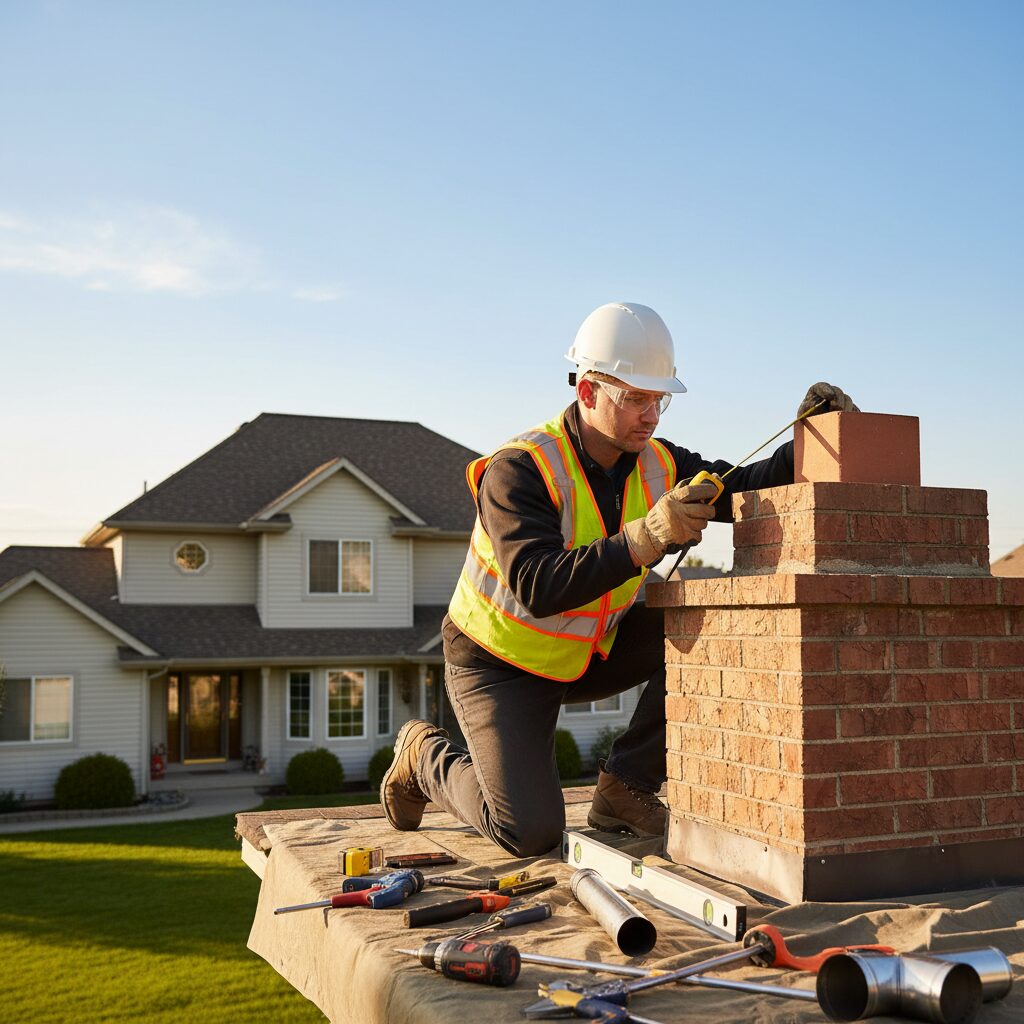
A crackling fire is the centerpiece of a cozy home during the winter months. It provides warmth, ambiance, and a gathering place for family. However, the hidden structure that allows you to enjoy that fire safely—the chimney flue—is often ignored until a problem arises. Over time, heat, moisture, and combustion byproducts can wreak havoc on the inside of your chimney, leading to cracks, deterioration, and significant safety hazards. This is where a chimney liner comes into play. Think of it as a protective inner skin for your chimney. It channels smoke and toxic gases out of your home while protecting the masonry walls from extreme heat and corrosive byproducts. While many homeowners are tempted to tackle this project themselves to save money, it is a complex task that leaves zero room for error. Installing a chimney liner is not just about fitting a pipe into a hole; it is about physics, airflow, and fire safety. If you are considering this upgrade, you need to understand exactly what is involved. This guide covers the critical steps of installation, the necessary safety precautions, and how to decide if this is a job for you or a professional. What Is a Chimney Liner and Why Is It Crucial? A chimney liner is a conduit made of clay, ceramic, or metal (typically stainless steel or aluminum) installed inside a chimney flue. Its primary purpose is to contain the combustion products—smoke, carbon monoxide, and embers—and direct them outside. Older homes were often built with clay tile liners, or sometimes no liner at all. Over decades, these clay tiles can crack due to the rapid expansion and contraction caused by heating and cooling cycles. Once the liner is compromised, heat can transfer to combustible materials in your home’s framing, potentially causing a house fire. Furthermore, cracks allow deadly carbon monoxide to leak into living spaces. Installing a new liner, particularly a durable stainless steel one, improves the efficiency of your appliance. A properly sized liner creates the correct draft, meaning your fire burns cleaner, produces less creosote, and keeps your home warmer. Safety First: The Risks of Improper Installation Before picking up a tool, you must understand the stakes. Chimney maintenance is life-safety work. If a liner is installed incorrectly, the consequences can be devastating. Fire Hazards The most immediate risk is a chimney fire. If the liner is not sealed correctly, or if insulation is skipped in a cold chimney, creosote can build up rapidly. Creosote is a highly flammable substance that accumulates from burning wood. If it ignites, it burns at extremely high temperatures. A compromised or poorly installed liner allows this heat to escape the flue and ignite the wood framing of your attic or walls. Carbon Monoxide Poisoning Your chimney is an exhaust pipe. Its job is to remove toxic gases. If the connection between your furnace, water heater, or wood stove and the liner is not airtight, carbon monoxide can backdraft into your home. This gas is odorless, colorless, and potentially fatal. Structural Damage Condensation is another enemy. If the flue gases cool down too quickly because the liner isn’t insulated or sized right, they turn into acidic moisture. This acid eats away at mortar joints and bricks from the inside out, leading to expensive structural repairs down the road. Professional Installation vs. DIY The debate between hiring a pro and doing it yourself usually comes down to cost versus assurance. The Case for DIYThe primary motivation for DIY installation is financial. Professional installation can cost significantly more than the price of materials alone. By purchasing a kit and doing the labor yourself, you could potentially save hundreds, or even thousands, of dollars. For an experienced handy person with a deep understanding of construction and safety protocols, this is a feasible project. The Case for ProfessionalsHowever, the savings come with high risk. Certified chimney sweeps understand local fire codes, draft physics, and the specific requirements of different fuel types (gas, oil, wood). They have the tools to handle unexpected obstructions and the expertise to ensure the warranty on the liner remains valid. Most importantly, a professional installation comes with peace of mind. If you make a mistake during a DIY install, you might not know until it is too late. Conducting a Thorough Chimney Inspection If you decide to proceed, the first step is a comprehensive inspection. You cannot simply drop a new liner into a dirty or damaged chimney. Start by cleaning the chimney. You must remove all soot, debris, and existing creosote buildup. A clean chimney allows you to see the condition of the flue walls. Use a high-powered flashlight or, ideally, a chimney inspection camera to look for: If the chimney has significant structural damage or sharp offsets, a standard flexible liner might get stuck or torn during installation. In such cases, professional repair is required before lining can begin. Accurate Measurements Are Key Ordering the wrong size liner is the most common mistake. You need two critical numbers: the diameter and the length. Determining DiameterThe diameter of the liner must match the exhaust outlet of your appliance. If you have a wood stove with a 6-inch exhaust, you generally need a 6-inch liner. However, you also need to measure the interior width of your masonry flue. If your flue is narrow, a round liner might not fit, and you may need an ovalized liner or a smaller diameter (if code allows for your specific appliance). Determining LengthMeasure from the top of the chimney crown down to where the appliance connects to the wall or the damper. It is always smarter to order a liner that is a few feet longer than you think you need. You can easily cut excess steel, but you cannot stretch a liner that is too short. Code Compliance and Permits Never skip the paperwork. Chimney modifications almost always require a building permit. Local building codes dictate the type of material you can use, the insulation requirements, and the necessary clearances from
Does a Gas Fireplace Need a Chimney?
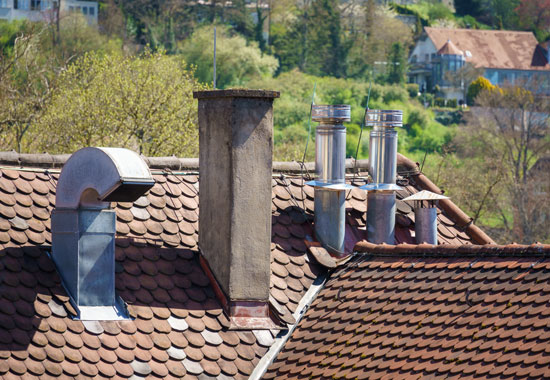
When considering a gas fireplace for your home, you might wonder, Does a gas fireplace need a chimney? Unlike traditional wood-burning fireplaces, gas fireplaces have different installation, venting, and exhaust requirements. In this article, we’ll explore the options available and answer some common questions about gas fireplace chimneys and venting systems. Gas Fireplace Venting Requirements Gas fireplaces don’t always need a chimney in the traditional sense. However, they require a venting system to expel exhaust gases safely. The type of venting system you need depends on the kind of gas fireplace you choose. Let’s take a look at the different gas fireplace venting options. Gas Fireplace Flue Options A flue is a conduit for exhaust gases from a fireplace. While traditional wood-burning fireplaces use a chimney flue, gas fireplaces can have various venting solutions. Depending on the model and your home’s layout, there are several options for venting a gas fireplace: Chimney vs. Venting for Gas Fireplaces When comparing a chimney vs. venting for gas fireplaces, it’s essential to understand the difference. A chimney is typically associated with wood-burning fireplaces. It relies on a tall, vertical structure to expel smoke. In contrast, gas fireplaces use venting systems that direct exhaust outside, but they may not require a traditional chimney. A gas fireplace with a direct-vent or B-vent system will be much more efficient than relying on a chimney to handle the exhaust. Gas Fireplace Installation Guidelines Installing a gas fireplace is a precise process that must follow manufacturer guidelines and local building codes. If your home does not already have a chimney, you can still install a gas fireplace using venting systems that do not require one. Be sure to work with a professional to ensure your fireplace is correctly installed, safely vented, and compliant with all regulations. Chimneyless Gas Fireplace: What You Need to Know A chimneyless gas fireplace can be an excellent option for those who don’t have a chimney in their home or prefer not to install one. These models, such as vent-free fireplaces, don’t require a chimney or venting system. However, they may release small amounts of combustion byproducts into the room, which is why they should only be used in well-ventilated spaces. Additionally, local regulations might restrict the use of vent-free fireplaces due to concerns about indoor air quality. Direct Vent Gas Fireplace Installation When it comes to installing a direct-vent gas fireplace, this system requires a special two-chamber vent. One chamber brings in fresh air from outside, while the other vents exhaust gases outdoors. This type of installation is more efficient and safer than traditional chimney systems. It’s essential to work with professionals who specialize in gas fireplace installation to ensure the system is set up correctly. Gas Fireplace Exhaust Requirements Gas fireplaces produce carbon monoxide as a byproduct of combustion. Therefore, they need an effective venting system to remove this harmful gas safely. Whether you choose a direct vent system or a traditional chimney, it’s critical to have an exhaust system in place to keep your home safe and breathable. Conclusion So, does a gas fireplace need a chimney? It depends on the type of fireplace you choose. Many modern gas fireplaces use alternative venting systems, such as direct vent or B vent, which do not require a traditional chimney. If you’re considering a gas fireplace, be sure to consult with a professional to determine the best venting option for your home. About Deluxe Construction NJ Deluxe Construction NJ provides premium chimney services to homes and businesses of all sizes in New Jersey. Our experienced chimney contractors specialize in inspections, repairs, installations, and maintenance to keep your chimney safe, functional, and efficient. From rebuilding deteriorating masonry to installing new chimney systems, we deliver solutions tailored to your property’s needs. Contact us today for your free chimney service quote! By understanding the different venting systems for gas fireplaces and how they work, you can make an informed decision about which type is right for your home. Whether you need a traditional chimney or a more modern venting system, the experts at Deluxe Construction NJ can guide you through the process.
Common Chimney Issues in New Jersey Homes
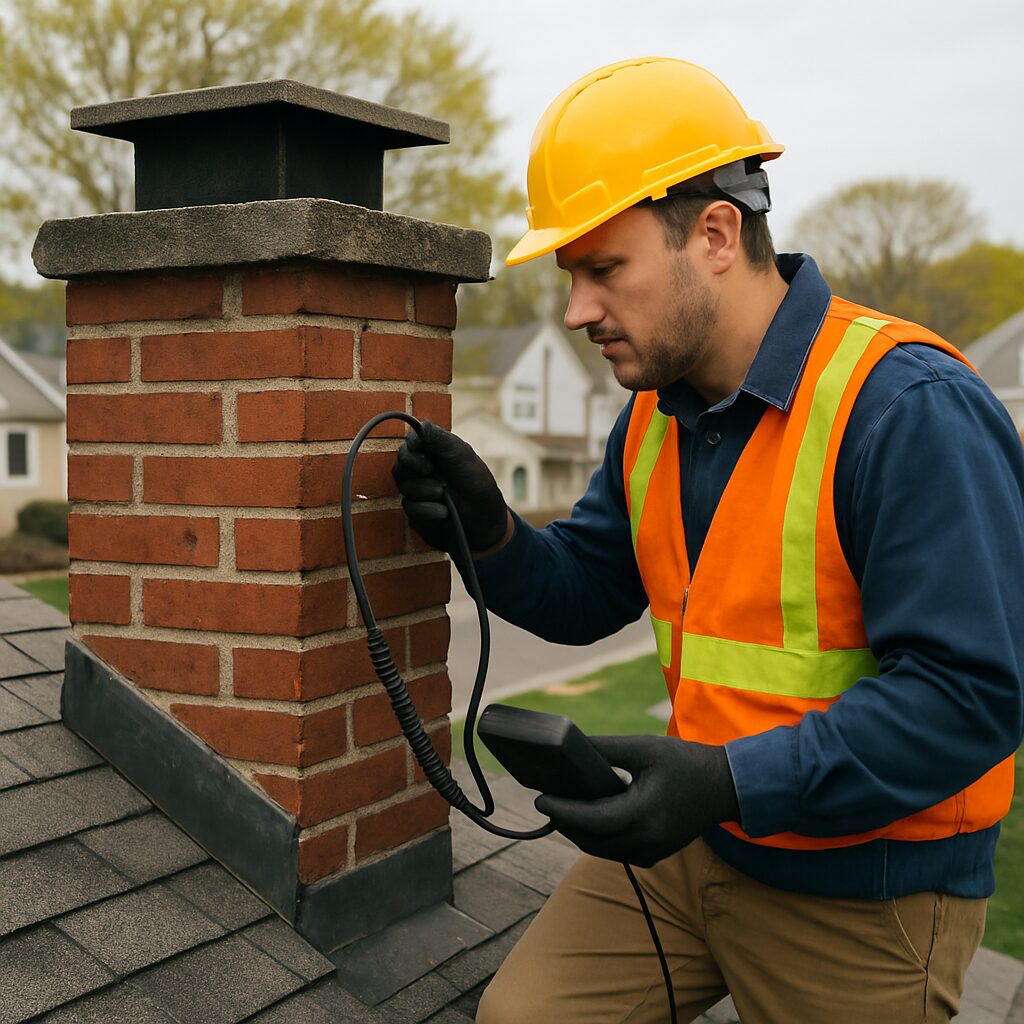
Chimneys are vital for home safety and efficiency. They require regular maintenance to function properly. In New Jersey, especially Bergen County, chimneys face unique challenges. The local climate can cause specific issues. Homeowners should be aware of common chimney problems. This knowledge helps in making informed decisions about maintenance. Regular cleaning and inspections are crucial. They prevent fires and ensure proper ventilation. Understanding these issues can protect your home. It also enhances heating efficiency and safety. Why Chimney Maintenance Matters in New Jersey Chimneys endure harsh weather in New Jersey. The freeze-thaw cycle can damage masonry and lead to leaks. Maintaining your chimney ensures it withstands these conditions. Neglecting chimney care can cause severe issues. Blockages might lead to smoke backdrafts. Damaged liners can leak harmful gases. Regular maintenance prevents these dangers. A well-maintained chimney improves home safety and efficiency. It also extends the life of the chimney. Key reasons for chimney maintenance include: Most Common Chimney Problems in Bergen County Homes Chimneys in Bergen County face several issues due to the climate. Homeowners should be aware of these common problems. Addressing them early can prevent costly repairs. One frequent issue is chimney blockages. Creosote buildup and debris are typical culprits. They can obstruct airflow, leading to smoke and carbon monoxide risks. Cracked or damaged chimney liners pose another hazard. These liners protect against gas leaks. They need prompt repairs to maintain safety. Water damage is also prevalent. Leaks can lead to structural problems and mold growth. Chimneys are particularly vulnerable due to New Jersey’s weather. Masonry issues like spalling bricks are common. The freeze-thaw cycle exacerbates these problems. Keeping masonry in good repair ensures chimney integrity. Chimney caps and flashing need attention too. Damaged caps allow water and animals in. Faulty flashing can lead to leaks. Common chimney issues include: 1. Chimney Blockages and Creosote Buildup Blockages are a safety concern. They restrict airflow and can cause dangerous backdrafts. Common causes include creosote, leaves, and nests. Creosote is highly flammable. It accumulates from burning wood. Regular cleaning is crucial to mitigate risks. To prevent blockages, consider: 2. Cracked or Damaged Chimney Liners Liners are vital for safety. They prevent heat and gases from damaging the chimney or entering the home. Cracks can develop over time, leading to leaks. A professional inspection identifies liner issues. Repairing them promptly avoids more severe problems. In severe cases, re-lining may be necessary. 3. Water Damage and Leaks Chimneys are prone to water damage. Leaks can weaken the structure and promote mold growth. New Jersey’s weather exacerbates these problems. Common water entry points include deteriorated flashing and damaged masonry. Steps to mitigate water damage involve: 4. Masonry and Structural Issues Masonry damage is common in chimneys. The freeze-thaw cycle can cause bricks to spall. This weakens the chimney and affects stability. Regular inspections help catch masonry issues early. Maintaining the mortar and bricks is key to avoiding extensive repairs. 5. Chimney Cap and Flashing Problems Chimney caps play a critical role. They keep out water and animals. A damaged cap can lead to blockages and water entry. Flashing prevents leaks around the chimney base. Over time, it can deteriorate. Regular checks ensure the flashing remains intact to protect your home. Signs Your Chimney Needs Attention Homeowners should be observant of chimney issues. Certain signs indicate that a chimney needs professional care. Addressing these early can help prevent more significant concerns. Common warning signs include: Each of these signs points to a potential problem that could worsen if ignored. Regular observation and prompt action are essential to maintaining a safe and efficient home environment. The Importance of Regular Chimney Cleaning and Inspections Regular chimney upkeep safeguards against fires and harmful gases. A well-maintained chimney enhances home safety and heating efficiency. Scheduling professional inspections ensures that issues are caught early. Cleanings help prevent creosote buildup, a significant fire hazard. Key benefits of routine maintenance include: Professional Chimney Repair Services in North Jersey Expert chimney repair services in North Jersey tackle everything from minor cracks to major rebuilds. These professionals understand local climate impacts on chimneys. When issues arise, timely repairs by skilled technicians can prevent further damage. Relying on local services ensures you benefit from their specialized knowledge and quick response. Choosing the Right Chimney Service in Bergen County Selecting a reliable chimney service is essential for effective repairs and cleaning. Ensure they have experience in dealing with common New Jersey issues. Consider the following when choosing a service: Conclusion: Protect Your Home with Proper Chimney Care Consistent chimney care is key to avoiding costly repairs and ensuring safety. Understanding common issues helps prevent serious damage. Prioritize regular cleanings and inspections to maintain your chimney’s integrity. Protect your home by addressing problems before they escalate.