Maintaining a commercial roof in New Jersey is crucial for building longevity. The state’s diverse weather patterns can challenge roof durability.
Regular maintenance can prevent costly repairs and extend roof life. It involves inspections, cleaning, and timely repairs.
Understanding different commercial roofing systems helps in choosing the right maintenance approach. Each roof type has unique needs.
Partnering with reliable suppliers ensures access to quality materials. This is vital for effective maintenance.
A proactive maintenance plan can save money and enhance roof performance. It also ensures compliance with warranties.
Investing in professional roofing services can provide expert care. This protects your investment for the long term.
Understanding Commercial Roofing Systems in New Jersey
New Jersey’s climate demands robust roofing solutions. The right system can withstand harsh weather. It’s essential to grasp the various commercial roofing systems available.
Selecting an appropriate system requires knowing their strengths and weaknesses. Understanding these systems ensures effective maintenance. It’s crucial for long-term performance.
Common types in New Jersey include:
- Single-ply membranes like TPO and EPDM
- Built-up roofing (BUR)
- Modified bitumen
- Metal roofs
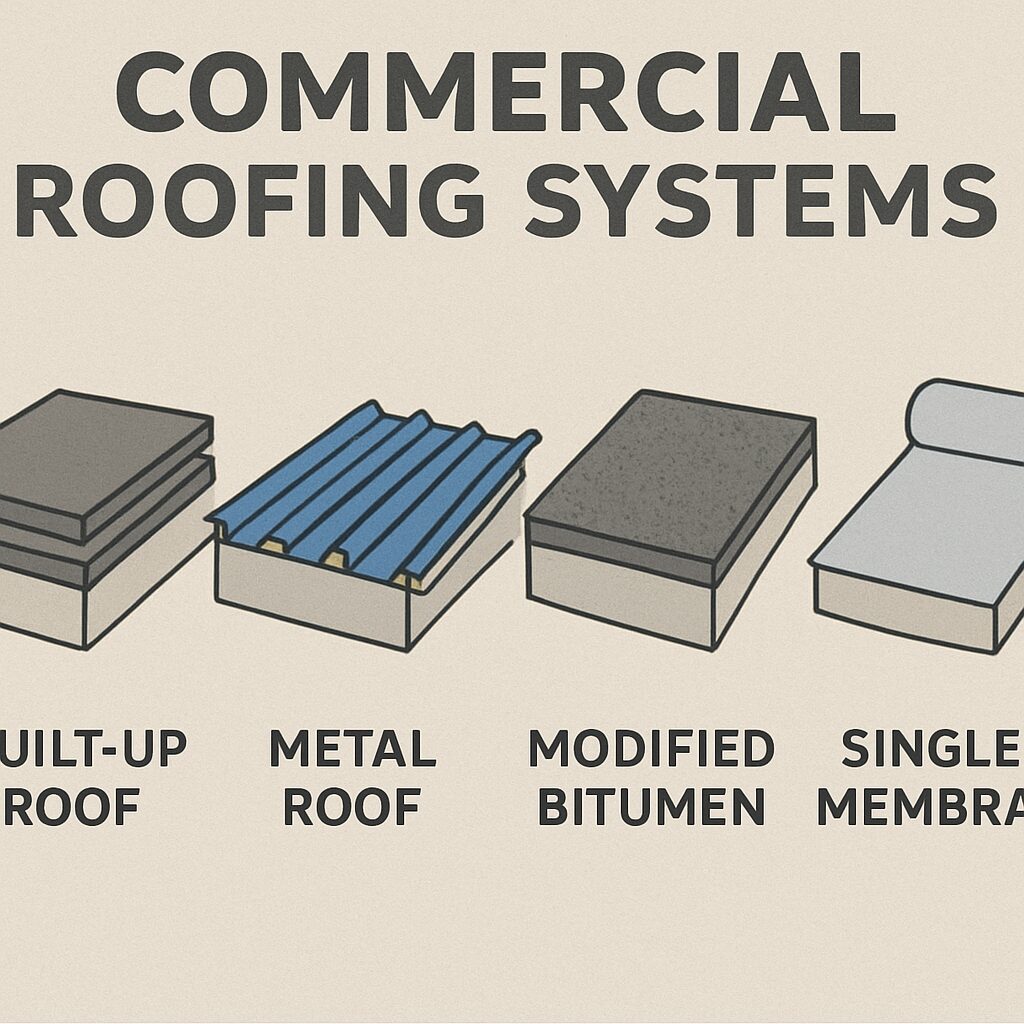
Each system offers unique benefits and challenges. For instance, single-ply membranes offer energy efficiency but might require regular inspections. Conversely, metal roofs provide durability with minimal upkeep. Understanding these differences helps in making informed choices that align with maintenance strategies.
Key Factors Affecting Commercial Roof Longevity
Several elements influence the lifespan of commercial roofs. Weather is a primary factor, especially in New Jersey. The state experiences heavy snow, rain, and varying temperatures.
Besides the climate, the material and installation quality play a critical role. Selecting high-quality materials and experienced installers can extend roof life significantly. Regular maintenance practices keep the roof in prime condition.
Consider these key factors:
- Quality of roofing materials
- Climate and environmental conditions
- Frequency and quality of maintenance
- Installation workmanship
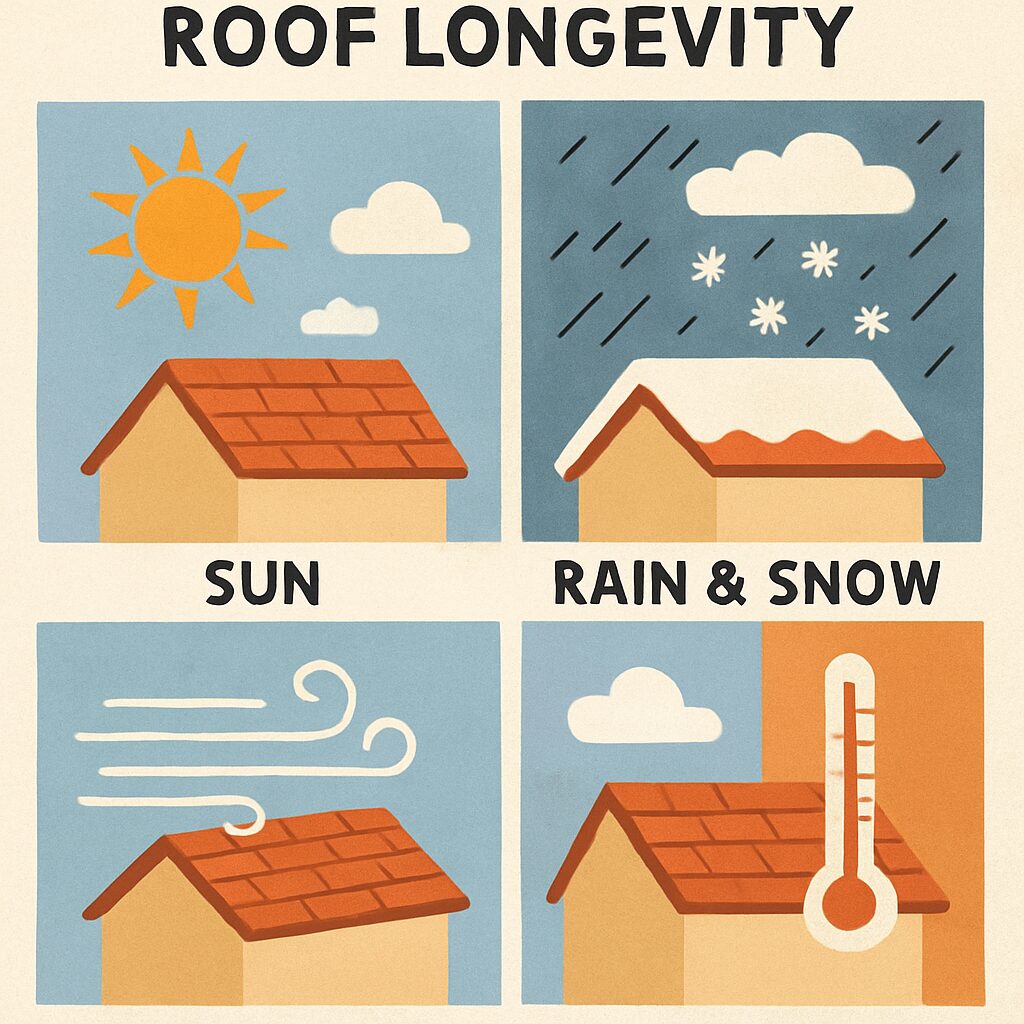
These factors determine how long the roof will last. Addressing them in your maintenance plan can save substantial repair costs. Proactive planning is key for maximizing roof lifespan.
Essential Maintenance Tips for All Commercial Roof Types
Maintaining commercial roofs involves consistent care. Implementing regular inspections and timely repairs can extend a roof’s lifespan. Start by understanding the unique needs of your roof type.
Routine tasks are essential, regardless of the roofing system. These simple steps can prevent expensive issues and extend roof life:
- Conduct regular inspections
- Clean and remove debris
- Ensure proper drainage
- Address repairs promptly
- Manage roof traffic

Invest time in these practices to protect your building. Each task plays a vital role in roof longevity. Keeping a schedule ensures nothing gets overlooked. A well-maintained roof can handle weather and wear more effectively.
Regular Inspections: The Foundation of Roof Longevity
Inspections are vital for detecting problems early. Schedule them semi-annually for maximum effect. Conduct additional checks after severe weather events.
Inspectors look for signs of wear and potential issues. They evaluate flashing, seams, and membrane condition. Early detection reduces the risk of severe damage.
Follow this basic inspection checklist:
- Check for visible damage
- Inspect seams and joints
- Verify flashing integrity
Regular inspections help maintain roof health. They ensure minor problems don’t escalate. This proactive approach saves time and money in the long run.
Cleaning and Debris Removal
Regular cleaning prevents blockages and damage. Leaves, dirt, and debris often accumulate on roofs. These can cause water pooling and deterioration.
Use these tips for effective cleaning:
- Remove leaves and debris frequently
- Clean gutters at least twice a year
- Ensure rooftop drains are clear

Keeping the roof clean helps with drainage. It prevents standing water from causing damage. Scheduled cleanings are a simple yet crucial maintenance task.
Drainage and Gutter Maintenance
Efficient drainage is crucial for roof longevity. Clogged gutters can lead to water damage. Regular maintenance prevents these issues.
Consider these practices for maintaining drainage:
- Inspect and clear gutters regularly
- Check downspouts for clogs
- Ensure proper slope for water flow

Well-maintained gutters manage water effectively. This process prevents overflow and roof damage. Regular attention to drainage systems is necessary for all roof types.
Prompt Repairs and Leak Prevention
Addressing repairs quickly can prevent larger issues. Small leaks can lead to significant problems. Fixing them promptly avoids further damage.
Essential repair tips include:
- Patch small holes immediately
- Address seam separations
- Seal leaks before they worsen
Prompt repairs save time and resources. They preserve the roof’s condition and prevent costly future repairs.
Managing Roof Traffic and Access
Monitor traffic on the roof to prevent damage. Excessive movement can cause wear. Limit access to essential personnel.
Consider these guidelines for roof access:
- Restrict access to authorized personnel
- Provide walkways for frequent traffic
- Educate staff on minimizing damage
Managing access reduces unnecessary wear. This cautious approach helps maintain roof integrity. Proper access control is a smart maintenance strategy.
Maintenance Strategies for Different Types of Commercial Roofs
Commercial roofs come in various types, each requiring tailored maintenance. Recognizing these differences helps create effective care strategies. Each roof type has unique vulnerabilities.
Consider the main types of commercial roofing systems:
- Flat roofs
- Metal roofs
- Green and specialty roofs

Understanding these differences informs maintenance plans. Different materials and designs need specific approaches. Addressing these needs ensures long-term performance.
Begin by assessing roof materials and design. Then implement targeted strategies for each type. This approach optimizes maintenance efforts and extends roof longevity.
Flat Roofs: Special Considerations
Flat roofs need careful attention due to their design. Water can pool if drainage isn’t effective. Regular maintenance can prevent this issue.
Key points for flat roof care:
- Ensure proper drainage slope
- Regularly clear drains and gutters
- Check for standing water

Consistent care prevents leaks and water damage. Specialized strategies are required for these unique roof systems. Proper maintenance extends the roof’s life.
Metal Roofs: Maintenance Best Practices
Metal roofs are durable but need specific care. They can be susceptible to rust and loosening fasteners. Regular checks keep them in top condition.
To maintain metal roofs:
- Inspect for rust and corrosion
- Tighten loose fasteners
- Reapply protective coatings when needed

These steps help maintain structural integrity. Protect against weather and time with regular upkeep. Effective maintenance ensures lasting performance.
Green and Specialty Roofs: Unique Needs
Green roofs require specialized maintenance for plant health. They offer environmental benefits but demand more attention. Water and plant care are essential.
Important points for green roofs:
- Ensure proper irrigation
- Monitor plant health regularly
- Maintain drainage systems

Green roofs contribute to energy efficiency. They also enhance aesthetic appeal. Consistent care is crucial for thriving vegetation and roof health.
Choosing the Right Materials and Suppliers for Longevity
Choosing quality materials extends the life of commercial roofs. High-quality materials resist weathering and reduce long-term maintenance. The choice of material affects durability and cost.
Consider these factors when selecting materials:
- Climate suitability
- Durability
- Cost-effectiveness

Partnering with reliable commercial roofing suppliers is crucial. They provide access to top-grade products and expert guidance. Quality materials from reputable suppliers ensure a durable roofing solution.
By selecting the best materials, you invest in longevity. This strategic choice prevents unnecessary repairs and replacements. Ensure your roof can withstand New Jersey’s climate with optimal material selection.
Creating a Proactive Maintenance Plan
Developing a proactive maintenance plan is essential for commercial roof longevity. A structured approach helps identify potential issues early, reducing costly repairs. Consistent upkeep ensures the roof remains in top condition.
Key components of a proactive maintenance plan include:
- Regular inspections
- Seasonal maintenance tasks
- Timely repairs
Tailor your plan to the specific roof type and materials used. This ensures all elements are properly maintained. By being proactive, you extend the life of your commercial roof and protect your investment effectively.
The Role of Professional Roofing Services
Professional roofing services play a key role in maintaining commercial roofs. Expert care can detect issues not visible to the untrained eye. They bring specialized tools and experience to the task.
Benefits of hiring professionals include:
- Access to advanced equipment
- Skilled and experienced personnel
- Comprehensive roof assessments

Involving professionals ensures detailed inspections and precise repairs. They help in maintaining warranty requirements and extending roof longevity. Relying on their expertise safeguards your building investment.
Frequently Asked Questions About Commercial Roof Maintenance in New Jersey
Commercial roof maintenance can raise many questions for building owners. Understanding the fundamentals helps optimize maintenance strategies. Here we answer some common inquiries.
How often should commercial roofs be inspected? Regular inspections should happen twice a year, ideally in spring and fall. Additional checks after severe weather ensure integrity.
What are common signs of roof problems? Look for leaks, standing water, or membrane damage. Early detection prevents bigger issues. A proactive approach maintains roof health.
Should professional services be engaged for maintenance? Yes, professional services ensure thorough inspections. They provide effective solutions with the right tools and expertise.
What impacts maintenance frequency? Factors include roof type, material, and local climate. Tailored approaches are necessary for different roofs. Consider these factors when planning maintenance.
Conclusion: Protecting Your Investment for the Long Term
Maintaining commercial roofs in New Jersey safeguards your investment and building integrity. A proactive maintenance plan enhances longevity and prevents costly repairs.
Engage professional services to ensure optimal care and guidance. Protecting your roof prolongs its lifespan, ensuring your business is secure and operational despite weather challenges. This foresight leads to long-term savings and peace of mind.