New Jersey homeowners face a unique set of challenges when it comes to protecting their most valuable asset: their home. From the scorching, humid summers and frigid, snowy winters to the unpredictable coastal storms and significant temperature fluctuations, your home’s exterior takes a beating year-round. Choosing the right siding is one of the most critical decisions you’ll make for long-term durability, energy efficiency, and curb appeal.
This comprehensive guide is designed specifically for New Jersey residents. We’ll move beyond generic lists to explore the top siding materials that stand up to our state’s distinct climate, while also matching the popular architectural styles like Colonial, Craftsman, and Farmhouse homes. We’ll break down the pros and cons, discuss cost and maintenance, and help you find the perfect siding solution for your New Jersey home.
1. Fiber Cement Siding: Unmatched Durability for NJ Weather
When it comes to withstanding New Jersey’s diverse weather patterns, fiber cement siding is a top contender. Made from a blend of cement, sand, and cellulose fibers, this material is engineered for incredible strength and longevity.
Pros:
- Extreme Durability: Fiber cement is highly resistant to rot, pests, fire, and moisture damage. It won’t warp or buckle under extreme temperature fluctuations, making it ideal for the high humidity of a New Jersey summer and the freeze-thaw cycles of winter.
- Exceptional Aesthetics: Brands like James Hardie offer a wide variety of textures and finishes that can mimic the look of natural wood grain, shingles, or smooth stucco. This versatility allows it to complement virtually any New Jersey architectural style, from a historic Colonial to a modern Farmhouse.
- Low Maintenance: Once installed and painted, fiber cement requires very little maintenance beyond a periodic cleaning. Its paint lasts significantly longer than on wood siding, often for 15 years or more.
- Fire Resistance: As a non-combustible material, fiber cement offers excellent fire protection, which can be a significant concern for homes in dense neighborhoods.
Cons:
- Higher Upfront Cost: Fiber cement siding is typically more expensive than vinyl. However, its long lifespan and low maintenance often make it a wise long-term investment.
- Complex Installation: Due to its weight and brittleness, professional installation is crucial. DIY installation is not recommended.
Best For: New Jersey homeowners prioritizing long-term durability, low maintenance, and a high-end, classic aesthetic. It’s an excellent choice for homes in coastal or storm-prone areas.
2. Engineered Wood Siding: The Look of Wood, the Strength of Science
For homeowners who love the timeless look of natural wood but dread the extensive maintenance, engineered wood siding is a compelling alternative. Brands like LP SmartSide have perfected this material, which is created by treating wood strands with a resin binder and wax, then pressing them into a durable board.
Pros:
- Superior Durability: Engineered wood is designed to resist fungal decay, termites, and moisture. Its manufacturing process creates a material far more stable and rot-resistant than traditional wood siding. It stands up well to New Jersey’s humidity and rainfall.
- Lightweight and Easy to Install: Unlike fiber cement, engineered wood is lighter and easier to work with, which can lead to faster and more affordable installation.
- Authentic Wood Appearance: It offers a beautiful, authentic wood-grain texture that is difficult to distinguish from real wood, providing a classic, warm look perfect for Craftsman and Farmhouse-style homes.
- Impact Resistance: This siding is notably impact-resistant, making it less prone to damage from hail or wind-blown debris during a storm.
Cons:
- Requires Repainting: While it holds paint better than real wood, it will still need to be repainted periodically, though less frequently than cedar or pine.
- Not as Fire-Resistant as Fiber Cement: While treated with fire-retardant chemicals, it does not offer the same level of fire resistance as non-combustible materials.
Best For: Those who desire the aesthetic appeal of wood siding without the high-maintenance demands and vulnerability to pests and rot. It’s a great blend of classic style and modern performance.
3. Vinyl Siding: The Cost-Effective, Low-Maintenance Champion
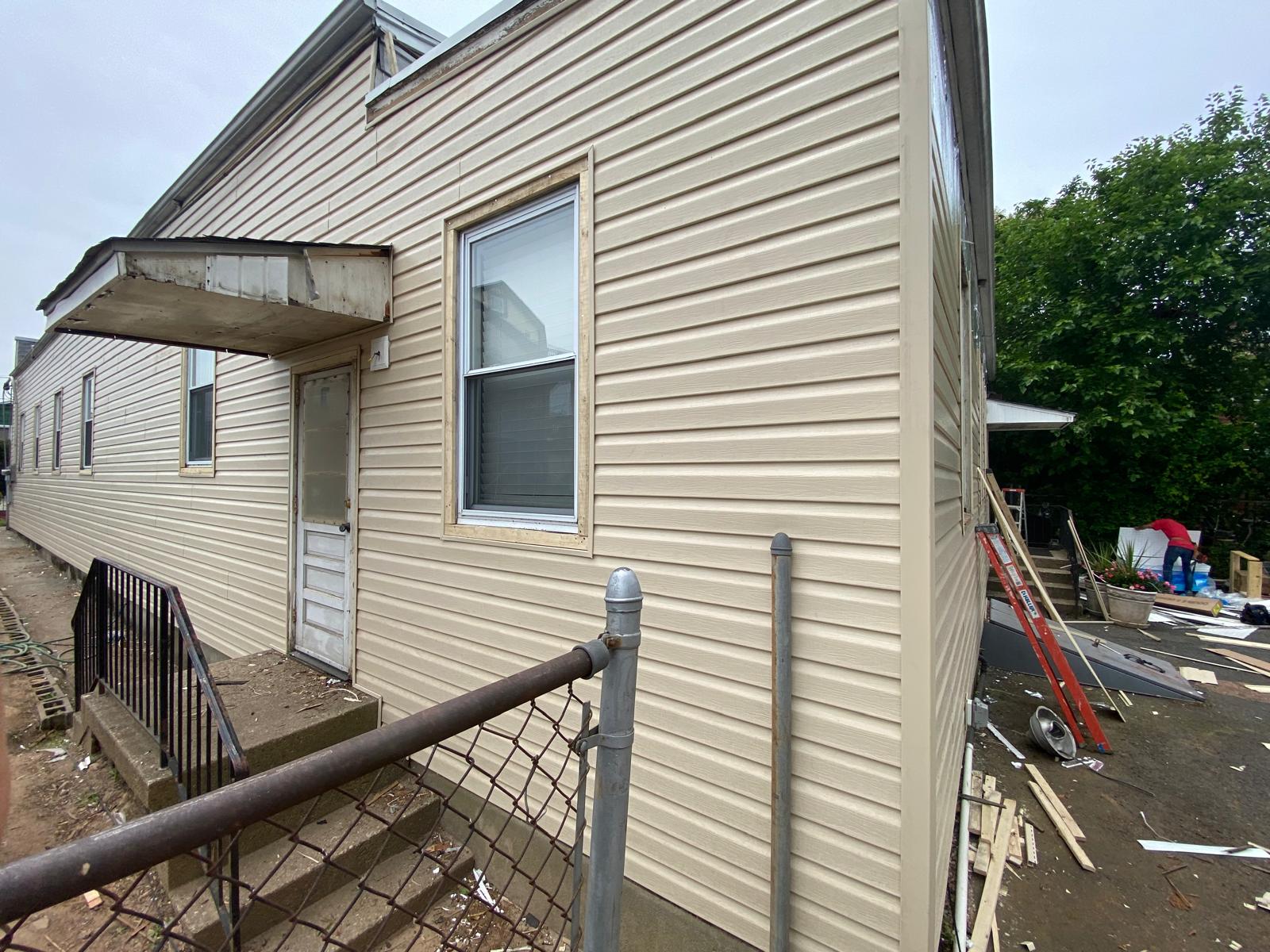
Vinyl siding is a staple across the United States, and for good reason. It’s an affordable and low-maintenance choice that has evolved significantly over the years. Modern vinyl siding comes in a vast array of colors, styles, and textures.
Pros:
- Unbeatable Affordability: Vinyl siding has the lowest upfront cost of the materials on this list, making it an excellent option for New Jersey homeowners on a strict budget.
- Virtually Maintenance-Free: It requires no painting or staining. A simple cleaning with a hose and a soft brush is all that’s needed to keep it looking new.
- Quick and Easy Installation: The lightweight nature of vinyl makes it one of the easiest materials to install, which can reduce labor costs.
- Insulated Vinyl: For enhanced energy efficiency, consider insulated vinyl siding. It adds a layer of foam insulation to the back of the panel, helping to reduce heat transfer and improve your home’s R-value —a significant benefit for managing New Jersey’s extreme temperatures.
Cons:
- Susceptible to Damage: While durable, vinyl can crack in frigid temperatures or warp when exposed to extreme heat. Substantial impacts can also damage it.
- Limited Aesthetics: Though options are improving, they may not offer the same high-end, detailed appearance as fiber cement or engineered wood. The seams can also be more noticeable.
Best For: Budget-conscious homeowners who prioritize low maintenance and energy efficiency (especially with the insulated option). It’s a reliable choice for protecting a wide variety of homes across the state.
4. Wood Siding: Timeless Beauty with High-Maintenance Demands
For certain traditional or historic New Jersey homes, nothing compares to the natural beauty of wood siding. Materials like cedar, pine, and redwood offer a timeless elegance and unique character that is highly sought after.
Pros:
- Exceptional Beauty: Wood siding provides a rich, classic aesthetic that can be custom-stained or painted to your exact preference. Cedar, in particular, has a warm, beautiful grain.
- Eco-Friendly: Wood is a renewable resource, making it an environmentally conscious choice.
- Excellent Insulation: Wood is a natural insulator, providing a decent level of energy efficiency for your home.
Cons:
- High Maintenance: This is the most significant drawback. Wood siding requires regular painting or staining every few years to protect it from moisture, rot, and UV damage.
- Vulnerability to Pests and Rot: Without consistent maintenance, wood is susceptible to termites, carpenter ants, and rot, which can be a significant issue in New Jersey’s damp climate.
- Fire Risk: Wood is combustible, posing a greater fire risk than other materials on this list.
- High Cost: The material itself can be expensive, and when you factor in ongoing maintenance costs, it becomes a significant long-term investment.
Best For: Homeowners dedicated to preserving a historic aesthetic or those who are willing to invest in the high level of maintenance required to keep their home’s exterior in pristine condition.
5. Composite Siding: The Best of All Worlds?
Composite siding is a newer innovation, often made from a blend of materials such as wood fibers, polymers, and other recycled materials. It’s designed to combine the aesthetic of natural wood with the durability and low maintenance of synthetic materials.
Pros:
- Low Maintenance: Similar to vinyl, composite siding is designed to be very low maintenance. It resists rot, pests, and moisture without the need for constant painting.
- High Durability: The engineered nature of composite siding makes it highly resistant to cracking and warping, holding up well against New Jersey’s temperature swings.
- Aesthetics and Style: Composite siding can be molded to replicate the look of wood, stone, or brick, offering a variety of stylish options for modern or rustic homes.
Cons:
- Relatively New: As a newer product category, its long-term performance history is still developing compared to more established materials like fiber cement.
- Can Be Expensive: The cost of composite siding is often comparable to or even higher than that of fiber cement, placing it in the higher price bracket.
Best for: Homeowners seeking a cutting-edge material that combines the aesthetic appeal of natural siding with the benefits of a low-maintenance, high-performance product.
Siding Materials Quick Comparison Table
| Material | Durability | Cost | Maintenance | Best For… |
| Fiber Cement | Excellent | High | Low | Extreme weather, high-end look, fire resistance |
| Engineered Wood | Very Good | Mid-High | Low-Mid | The look of wood without the maintenance |
| Vinyl | Good | Low | Very Low | Budget-conscious, low maintenance goals |
| Wood | Mid-Low | High | Very High | Authentic, historic aesthetic, willing to invest in upkeep |
| Composite | Excellent | High | Low | Cutting-edge performance, variety of styles |
Key Factors to Consider Before You Choose
Choosing the best siding for your home is about more than just a list of materials. It’s about finding the right fit for your unique situation.
- Your Location in New Jersey: Are you in a coastal town like Long Beach Island, where you need maximum resistance to salt, wind, and moisture? Or are you in a more inland area with hot summers and heavy snow? The local climate is a huge factor in your decision.
- Your Home’s Architectural Style: A classic Colonial in Princeton might look best with the timeless elegance of fiber cement. At the same time, a modern Farmhouse in Sussex County could benefit from the warm look of engineered wood.
- Your Budget: Consider not just the initial installation cost, but also the long-term maintenance expenses. A more expensive material with lower maintenance costs may save you money over time.
- Long-Term Goals: Do you plan to sell your home in a few years, or is this your forever home? A long-lasting, low-maintenance material can significantly increase your home’s resale value and curb appeal.
Conclusion
New Jersey’s climate demands a durable and reliable siding solution. Whether you choose the robust, long-lasting performance of fiber cement, the classic look of engineered wood, or the budget-friendly convenience of vinyl, each material offers a distinct set of advantages. By carefully considering your specific needs for durability, style, and maintenance, you can make a wise investment that will protect and beautify your home for decades to come.
Need help making a final decision or want to see samples of these top-rated materials? Contact us today for a free, no-obligation siding consultation! Our experts will assess your home and provide a personalized recommendation to ensure you get the best siding for your New Jersey property.