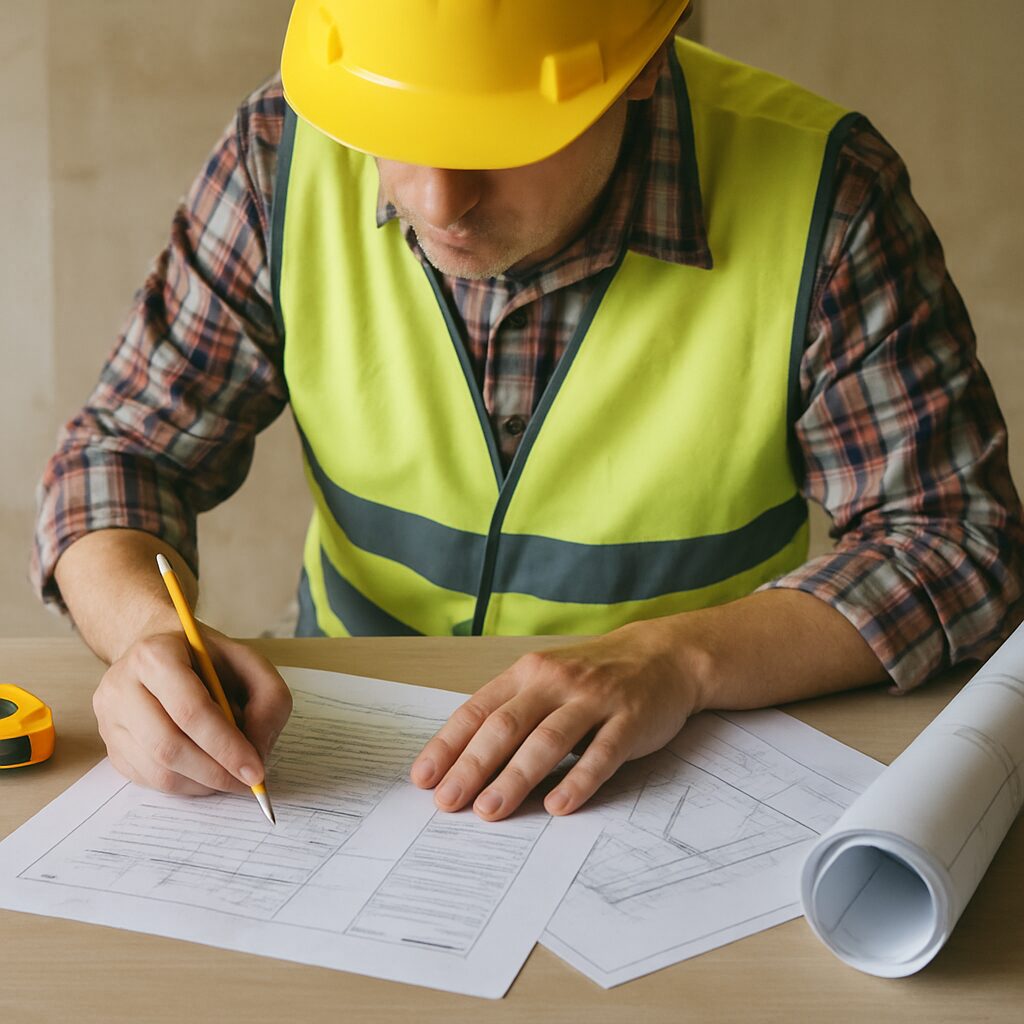
Navigating the world of commercial construction can be complex. Permitting and inspections are crucial components of this process. They ensure projects meet safety and legal standards.
Understanding construction permits and building inspections is essential. These elements safeguard the integrity of a project. They also protect public safety and property value.
The permit process involves obtaining legal authorization. This is required before any construction work begins. It ensures compliance with local building codes and regulations.
Building inspections occur at various stages. They verify that construction adheres to approved plans. Inspections help identify potential issues early.
Commercial construction services often handle these tasks. They streamline the permit process and manage inspection requirements. This expertise can save time and reduce errors.
Professionals in the industry must stay informed. Changes in construction regulations and building codes are frequent. Staying updated is key to successful project completion.
This guide will explore these topics in detail. It aims to provide a comprehensive understanding of permitting and inspections in commercial construction.
Understanding Permitting and Inspections in Commercial Construction
In commercial construction, permits and inspections are vital. They form the backbone of safe and compliant building practices. Without them, projects face various risks.
Permitting is more than just paperwork. It provides a blueprint for legal compliance. Obtaining the right permits ensures alignment with local rules and regulations.
Inspections occur throughout the project’s lifecycle. They verify each phase meets safety standards and approved plans. This process reduces risks and improves quality control.
Key aspects of permitting and inspections include:
- Ensuring compliance with local building codes
- Securing required construction permits
- Regular building inspections at critical stages
Professional construction services often manage these tasks. They help navigate complex regulations, ensuring your project stays on track.
Understanding these processes is essential. It helps avoid costly delays and potential legal issues. By partnering with experts, stakeholders can ensure a smoother permit and inspection journey.
The Permit Process: Step-by-Step Overview
The permit process is a structured journey in construction. Each step ensures compliance with building laws and standards. A successful permit process prevents potential legal and safety issues.
Initially, a project proposal is crafted. This proposal details the scope and nature of the construction. Clear and detailed plans are crucial for permit approval.
Next, submission to relevant authorities is done. This stage involves providing all necessary documents. It’s essential to include technical drawings and project outlines.
Once submitted, the review phase begins. Authorities assess the plans to ensure compliance with building codes. This can take time, depending on project complexity.
Key Steps in the Permit Process:
- Project proposal creation
- Submission to local authorities
- Detailed review by regulatory bodies
After the review, feedback is provided. This may require revising plans to meet standards. Addressing feedback promptly is key to minimizing delays.
Upon approval, permits are issued. Construction can then proceed with confidence and authority. It’s important to keep these permits accessible throughout the project.
Finally, maintaining communication with authorities aids in smooth progress. Timely updates prevent unforeseen hindrances. Staying informed eases navigation through the permit landscape.
Types of Construction Permits Required
Different projects require distinct permits. Knowing which permits are essential prevents roadblocks. Each type aligns with specific project elements.
Environmental permits focus on ecological impact. These are crucial if the project affects local ecosystems. They ensure adherence to environmental protection laws.
Safety permits are equally vital. They guarantee that safety regulations are incorporated into construction plans. These permits safeguard workers and the public.
Common Construction Permits:
- Environmental permits
- Safety permits
- Zoning permits
Zoning permits address land-use requirements. They ensure the construction aligns with local zoning laws. These permits prevent legal disputes over land utilization.
Acquiring the right permits is a critical step. Careful planning and thorough research aid in identifying necessary permits. This ensures a seamless construction phase devoid of permit-related interruptions.
Navigating Local Building Codes and Construction Regulations
Understanding local building codes is indispensable. These codes dictate how structures must be designed and built. Familiarity with them ensures that projects comply from the outset.
Building codes cover a range of topics. They include fire safety, structural integrity, and energy efficiency. Awareness of these aspects is vital for project success.
Key Elements of Building Codes:
- Fire safety regulations
- Structural integrity guidelines
- Energy efficiency standards
Construction regulations also play a crucial role. These regulations enforce public safety and welfare. Compliance is mandatory and beneficial in the long run.
Engaging professionals with expertise in codes and regulations can be advantageous. They offer insights into integrating compliance into designs. This proactive approach minimizes risks of non-compliance and project delays.
Inspection Requirements Throughout the Project Lifecycle
Inspections are crucial at various stages of a construction project. They ensure compliance with approved designs and standards. Adhering to inspection requirements avoids costly rework.
Initial inspections often occur before any work begins. This stage verifies that conditions match submitted plans. It’s essential for confirming foundational aspects.
During construction, regular inspections check ongoing compliance. These may include plumbing, electrical, and structural assessments. Continuous checks ensure standards are consistently met.
Key Inspection Requirements:
- Initial site inspections
- Periodic assessments during construction
- Final certification inspection
The final inspection occurs just before project completion. It ensures everything aligns with the required codes and quality benchmarks. This inspection is vital for obtaining final approval.
Documentation of inspection outcomes is important. Proper records support project integrity and facilitate future maintenance. Inspection reports serve as valuable references for compliance validation.
Open communication with inspectors fosters a collaborative relationship. It encourages a smoother inspection process and quicker resolution of issues. Early engagement and proactive adherence to guidelines benefit the overall project.
Common Stages of Building Inspections
Building inspections typically happen at predefined stages. These checkpoints ensure comprehensive compliance throughout construction. Detailed oversight in these phases prevents unanticipated issues.
Initial foundation inspections focus on the base structural components. Proper execution at this stage is critical for building stability. Thorough evaluation here paves the way for future stages.
Structural frame inspections follow as the project progresses. Inspectors assess the skeletal framework, ensuring it meets safety standards. Any deviations are corrected to maintain integrity.
Typical Inspection Stages:
- Foundation assessments
- Framing evaluations
- Systems installations
Next, systems such as plumbing and electrical are scrutinized. These systems must adhere to specific safety codes. Ensuring their correct installation avoids future operational failures.
The final inspection ties all previous evaluations together. It verifies overall project compliance with initial plans and codes. This step is crucial for certifying the project’s readiness for use.
Each inspection stage builds on the last. Successive evaluations ensure a comprehensive check at every point. Regular inspections translate into safer, reliable construction outcomes.
The Inspection Checklist: What Inspectors Look For
An inspection checklist is a critical tool used during evaluations. It outlines all necessary elements for a thorough review. Checklists ensure consistency and completeness in inspections.
Inspectors follow detailed lists tailored to the project specifics. This can include safety features, structural soundness, and code adherence. Clearly defined criteria help inspectors assess each aspect effectively.
Essential Checklist Items:
- Safety compliance verification
- Structural soundness check
- Code adherence review
Checklists also highlight potential problem areas early. Identifying issues ahead of time allows for timely correction. This proactive approach mitigates risks and avoids costly delays.
Keeping checklists updated is essential. Industry standards and codes evolve, requiring adjustments to these lists. Regular updates align inspections with current regulations.
The value of checklists extends beyond construction. They serve as records for post-construction evaluation and maintenance. This document aids ongoing compliance and facility management post-project.
Commercial Construction Services That Handle Permitting and Inspections
In commercial construction, handling permits and inspections is vital. Various services focus on these essential tasks to streamline the process. They ensure projects run smoothly and adhere to regulations.
Several construction services include managing the permit process. These services act as a liaison between clients and regulatory bodies. This expertise helps in navigating complex permit requirements efficiently.
Key Services Provided:
- Permit application and submission
- Inspection coordination
- Regulatory compliance consultation
Inspections are another area where commercial services provide support. They coordinate with inspectors to ensure all requirements are met. Handling inspections efficiently reduces project downtime and surprises.
These services also help in maintaining documentation for compliance. Proper records ensure quick responses to any inquiries from authorities. This documentation is crucial for both immediate needs and future references.
Professional services also keep clients informed of local regulation changes. Staying updated helps avoid project delays and ensures compliance at every stage. Expertise in these areas adds significant value to construction endeavors.
The Role of Construction Managers and Project Managers
Construction and project managers play pivotal roles in permitting and inspections. They oversee the entire construction process, ensuring all elements align with plans. Their involvement is critical for maintaining project momentum.
Managers facilitate communication between architects, contractors, and inspectors. They ensure everyone is aligned on expectations and requirements. This coordination supports seamless transitions between project phases.
Managers’ Core Responsibilities:
- Oversee permit and inspection processes
- Coordinate team efforts
- Maintain project timelines
Their role also extends to tracking progress against timelines. They ensure permit applications are submitted on time. Similarly, they arrange for inspections at appropriate stages.
Both construction and project managers must be adept at problem-solving. Addressing issues early prevents disruptions that can affect timelines. Their leadership is vital for navigating complex regulatory landscapes smoothly.
Permit Expeditors and Third-Party Consultants
Permit expeditors and consultants specialize in navigating regulatory complexities. They assist by shortening the permit application process and ensuring compliance. This expertise can significantly reduce project lead times.
Expeditors efficiently handle documentation and submission requirements. Their knowledge of local codes aids in smooth approvals. Consultants offer strategic advice on adhering to construction regulations.
Services Offered by Expeditors and Consultants:
- Accelerate permit approval process
- Provide regulatory advice
- Manage compliance documentation
Both consultants and expeditors bring valuable experience. They understand local regulatory environments, which is crucial for efficient operations. Their involvement assures compliance while allowing the project to progress without unnecessary delays.
Challenges and Best Practices in the Permit and Inspection Process
Navigating the permit and inspection process in commercial construction can be challenging. Several obstacles may arise, impacting project timelines. Overcoming these challenges is crucial for successful project completion.
Complex regulations can seem overwhelming, especially for large projects. Each location might have unique requirements, increasing the difficulty. Mistakes or oversights can lead to expensive delays and revisions.
Regular updates to building codes add another layer of complexity. Staying informed requires diligence and constant communication with authorities. This ensures no surprises during inspections.
Best practices help mitigate these challenges. For instance, maintaining clear documentation aids in fulfilling requirements efficiently. Proactive communication with stakeholders ensures everyone is on the same page.
Best Practices Checklist:
- Keep clear and organized documentation
- Communicate regularly with stakeholders
- Stay updated on regulation changes
By addressing issues proactively, construction teams can prevent obstacles. Implementing these best practices aids in smoothing out the permit and inspection process, reducing stress and facilitating success.
Avoiding Delays and Ensuring Compliance
Delays and compliance issues can disrupt construction projects. They cost time and money, affecting overall project success. Anticipating problems and taking preventive steps is essential.
Clear understanding of local building codes aids in preventing compliance issues. Regular training sessions ensure teams are familiar with changes. This knowledge serves as a strong foundation for project planning.
Steps to Avoid Delays:
- Regularly review project timelines
- Understand local building codes thoroughly
- Train teams on code updates
Consistency in communication and thorough planning are key. By aligning project goals with regulatory expectations, delays are minimized. This proactive approach safeguards the project against unforeseen compliance hurdles.
Documentation, Record-Keeping, and Communication
Effective documentation is the backbone of successful construction projects. Accurate records ensure clarity among all parties. This minimizes misunderstandings and aligns project expectations.
Keeping detailed records is crucial for compliance. These records demonstrate adherence to regulations if disputes arise. They provide a clear audit trail for inspections and permits.
Essential Documentation Practices:
- Maintain organized project files
- Log all communication with authorities
- Archive inspection reports systematically
Consistent communication further streamlines the process. By keeping all stakeholders informed, potential issues are addressed promptly. This fosters a collaborative environment, crucial for overcoming challenges in commercial construction.
Key Takeaways for Commercial Construction Stakeholders
Commercial construction involves intricate permitting and inspection processes. Professionals must grasp these components for successful project delivery. Staying informed is crucial to avoid pitfalls.
By partnering with experienced professionals, stakeholders can streamline permitting. This reduces delays and ensures compliance. Proper guidance is an invaluable asset.
Essential Stakeholder Actions:
- Collaborate with knowledgeable service providers
- Stay updated on local regulations and codes
- Prioritize communication across all project phases
Emphasizing organization and proactive strategies is key. With the right approach, projects proceed smoothly, safeguarding investments and reputations. This proactive stance benefits all parties involved.
Conclusion
Mastering the permitting and inspection processes is vital in commercial construction. These elements ensure projects meet safety and quality standards.
Working with experienced professionals can greatly simplify these tasks. Their expertise aids in navigating complex requirements smoothly and efficiently.
In sum, proactive planning and collaboration are key to success. Embracing these strategies will lead to effective project outcomes and enhance stakeholder satisfaction.