Your chimney does more than create ambiance on cold winter nights—it’s a critical safety system that protects your home from fire hazards and carbon monoxide exposure. Regular maintenance isn’t optional; it’s essential. According to the National Fire Protection Association (NFPA), chimneys should be inspected at least once a year, with more comprehensive evaluations required under specific circumstances.
A Level 2 chimney inspection represents the mid-tier assessment in the NFPA’s three-level inspection framework. While less invasive than a Level 3 inspection, it goes far beyond the basic visual checks of a Level 1, providing homeowners with a thorough understanding of their chimney’s condition. Whether you’re buying a new home, switching from wood to gas, or recovering from storm damage, understanding what a Level 2 inspection entails can help you make informed decisions about your home’s safety.
This guide breaks down everything you need to know about Level 2 chimney inspections—from when they’re required to what technicians look for, and how much you should expect to pay.
Understanding the Three Levels of Chimney Inspections
Before diving into the specifics of a Level 2 inspection, it helps to understand how it fits within the broader inspection framework established by the NFPA.
Level 1 Inspection is the most basic assessment, appropriate when your chimney has been in regular use without any known issues. Technicians perform a visual inspection of readily accessible portions of the chimney, verifying that the structure is sound, the flue is clear, and all connections are secure. Think of it as a routine checkup—suitable for annual maintenance when nothing has changed with your fireplace or heating system.
Level 2 Inspection becomes necessary when conditions change or when a more detailed examination is warranted. This inspection includes everything from Level 1, plus access to attics, basements, crawl spaces, and the use of specialized video scanning equipment to examine the interior of the flue. It’s designed to uncover hidden problems that could compromise safety.
Level 3 Inspection is the most invasive option, required only when serious problems are suspected or confirmed. Technicians may need to remove portions of the chimney or building structure to access concealed areas. These inspections typically follow significant damage events or when Level 2 findings indicate potentially severe structural issues.
What Exactly is a Level 2 Chimney Inspection?
A Level 2 chimney inspection provides a comprehensive evaluation of your entire chimney system, from the firebox at the bottom to the cap at the top. Unlike a basic visual check, this inspection employs advanced technology and requires technicians to access areas of your home that aren’t part of routine maintenance.
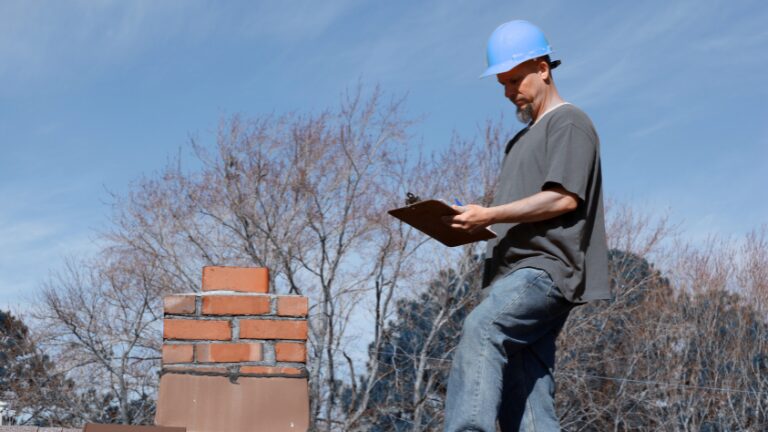
The inspection includes all components examined in a Level 1 assessment, then extends further. Technicians climb onto your roof to inspect the chimney crown, flashing, and cap. They enter your attic to verify proper clearances from combustible materials and check for signs of water damage or deterioration. In basements and crawl spaces, they examine the foundation of the chimney system, looking for structural issues or exposure to moisture.
The defining feature of a Level 2 inspection is the use of closed-circuit video scanning equipment. A specialized camera is inserted into the flue, providing a detailed view of the interior surfaces. This technology allows inspectors to identify cracks, gaps in mortar joints, deterioration of the liner, and creosote buildup—issues that would be invisible during a standard visual inspection.
Video scanning serves another crucial purpose: documentation. The recorded footage becomes part of your inspection report, providing clear evidence of the chimney’s condition. This documentation proves invaluable during real estate transactions, insurance claims, or when planning repairs.
When is a Level 2 Inspection Required?
The NFPA 211 standard specifies several scenarios that trigger the need for a Level 2 inspection. Understanding these requirements helps homeowners know when to schedule this more comprehensive assessment.
Real estate transactions top the list. Whether you’re buying or selling a home with a chimney, a Level 2 inspection provides both parties with detailed information about the system’s condition. For buyers, it reveals potential problems before closing. For sellers, it demonstrates transparency and can prevent last-minute negotiation issues.
Changes to your heating system also necessitate this level of inspection. Switching from wood to gas fuel requires verification that the flue is appropriately sized and in good condition. Installing a new insert, replacing an old appliance, or adding a fireplace to your home all constitute changes that impact how the chimney functions and what safety considerations apply.
After damage events, a Level 2 inspection becomes critical. If your home has experienced a chimney fire, the intense heat can create cracks in the flue liner that aren’t visible from below. A building fire elsewhere in the structure may have affected the chimney’s integrity. Weather events—severe storms, lightning strikes, or earthquakes—can shift masonry, damage flashing, or create other structural problems. Even if external damage isn’t obvious, internal issues may exist.
Extended periods of non-use represent another trigger. If you’ve recently moved into a home and don’t know the chimney’s service history, or if a fireplace hasn’t been used for more than a year, a Level 2 inspection provides assurance that restarting use is safe.
When problems arise, a Level 2 inspection helps diagnose the cause. Smoke backing up into your home, difficulty maintaining a fire, strange odors, or visible deterioration all warrant investigation beyond what a basic inspection can provide.
The Step-by-Step Level 2 Inspection Process
Understanding what happens during a Level 2 inspection helps homeowners prepare and know what to expect. The process is thorough and systematic, typically taking between one and two hours to complete.
Accessible Area Assessment
Technicians begin by protecting your home, laying down drop cloths around the fireplace area. They then examine all readily accessible portions of the system, starting with the firebox. The inspection covers the condition of firebrick or refractory panels, the firebox floor, and any combustibles nearby. They check the fireplace opening measurements to ensure the flue is properly sized.
The damper receives close attention—inspectors verify it opens and closes properly and shows no signs of warping or damage. Moving up, they examine the smoke chamber, checking whether walls are properly parged (sealed with a smooth coating) and structurally sound.
Interior Space Examination
Next, the inspection moves to areas of your home that house portions of the chimney system. In attics, technicians verify that proper clearances exist between the chimney and combustible framing materials. They check that the chimney is correctly firestopped where it passes through the floor and that no insulation is in direct contact with the masonry. Signs of water infiltration or heat damage become apparent in these spaces.
In basements and crawl spaces, inspectors examine the chimney foundation and lower portions of the system. They look for combustible materials that may have been left during construction, moisture damage, or structural settling that could compromise integrity.
Exterior and Roof Inspection
The technician then accesses your roof to inspect the exterior chimney components. The chimney crown (the concrete top that seals the chimney) is checked for cracks or deterioration. Proper installation includes a bond break where the flue liner passes through the crown, allowing for thermal expansion.
Flashing—the metal barrier where the chimney meets the roof—receives thorough examination. Properly installed and maintained flashing prevents water intrusion, one of the primary causes of chimney deterioration. Inspectors also check for crickets (small peaked structures behind chimneys on sloped roofs that divert water) where applicable.
The chimney cap is inspected to ensure it’s not obstructed, is properly sized for the flue opening, and includes an appropriate spark arrestor if required by local codes.
Video Scanning of the Flue
The cornerstone of a Level 2 inspection is the video scan of the flue interior. This specialized camera inspection reveals conditions impossible to assess otherwise. The camera travels the length of the flue, displaying real-time footage on a monitor that both technician and homeowner can view.
During scanning, inspectors look for several critical issues. Cracks in the clay flue tiles or deterioration of metal liners indicate potential pathways for heat, smoke, or gases to escape into the home’s structure. Creosote buildup—a highly flammable byproduct of wood burning—appears as a dark coating on flue walls. Even modest accumulations pose fire risks that increase exponentially with thickness.
Blockages from debris, animal nests, or structural failure show clearly on video. The camera also reveals unused thimble openings (holes where stovepipes once connected) that should be sealed to prevent draft problems and safety issues.
If multiple flues exist within a single chimney structure, each requires separate scanning to ensure comprehensive assessment.
Fire Prevention Through Early Detection
The primary purpose of any chimney inspection is fire prevention, and Level 2 inspections excel at identifying risks before they become emergencies. Understanding the hazards that inspectors look for helps homeowners appreciate the value of this service.
Creosote: The Silent Threat
Creosote forms when wood smoke condenses on cooler flue surfaces. This tar-like substance accumulates in layers, each more dangerous than the last. Stage 1 creosote appears as a flaky, sooty deposit that’s relatively easy to remove. Stage 2 becomes harder and shinier, requiring more aggressive cleaning methods. Stage 3 creosote is a hardened, glazed coating that’s extremely difficult to remove and highly flammable.
A chimney fire occurs when accumulated creosote ignites. These fires can burn at temperatures exceeding 2,000 degrees Fahrenheit—hot enough to crack flue liners, damage masonry, and ignite nearby combustible materials. Some chimney fires are dramatic and obvious; others smolder slowly, causing damage over time without detection.
Video scanning reveals exactly how much creosote has accumulated and its severity, allowing for appropriate cleaning or repair recommendations before ignition occurs.
Structural Integrity Issues
Cracks in flue liners create pathways for extreme heat to reach combustible building materials. Even hairline cracks can expand over time, worsening with each use. Separated or missing mortar between flue tiles poses similar risks.
Deterioration of masonry from water damage weakens the structure, potentially leading to collapse or allowing heat transfer to unsafe areas. The video camera identifies these problems while they’re still manageable, before catastrophic failure occurs.
Carbon Monoxide Concerns
A compromised flue doesn’t just create fire risks—it threatens occupants with carbon monoxide poisoning. This colorless, odorless gas kills silently. When cracks, gaps, or blockages prevent proper venting, combustion gases that should exit through the chimney instead enter living spaces.
Level 2 inspections identify structural problems that could allow carbon monoxide infiltration, protecting your family from this invisible threat.
Understanding Inspection Costs and Reports
The investment in a Level 2 chimney inspection typically ranges from $200 to $1,000, with most homeowners paying around $450. Several factors influence where your inspection falls within this range.
Chimney height and size affect pricing—taller chimneys take longer to inspect and may require additional safety equipment. Multiple flues increase costs since each must be independently scanned and evaluated. Accessibility challenges like steep roofs or difficult attic access may add to the inspection time and therefore the cost.
Geographic location plays a role in pricing, with services in metropolitan areas generally costing more than in rural locations. The inspector’s certifications and experience also factor into fees—certified professionals with extensive training command higher rates but provide more reliable assessments.
Some chimney service companies bundle Level 2 inspections with cleaning services, potentially offering better overall value than separate appointments. Always confirm what’s included in your quoted price.
What Your Inspection Report Should Include
A comprehensive inspection report documents everything the technician observed. Expect a detailed written description of findings organized by chimney component—firebox, damper, smoke chamber, flue, crown, cap, and flashing.
The report should note the condition of each element, identifying deficiencies with clear explanations of why they matter. Photographs or still images from the video scan provide visual documentation of issues.
For any problems identified, the report typically includes recommendations for corrective action, prioritized by urgency. Safety-critical issues requiring immediate attention should be clearly distinguished from items that can be monitored or addressed during future maintenance.
Many inspectors provide approximate cost estimates for recommended repairs, helping homeowners budget for necessary work. These estimates aren’t binding quotes but offer general guidance on what repairs might involve.
The report becomes an important document for your records, useful for insurance purposes, future service providers, or real estate transactions. Request a copy in a format you can save—digital PDFs work well for long-term storage.
Why Professional Inspection Matters
Attempting to assess your own chimney might seem like a cost-saving measure, but the risks far outweigh potential savings. Chimney inspection requires specialized knowledge, experience, and equipment that homeowners simply don’t possess.
Certified chimney professionals complete extensive training to recognize subtle signs of deterioration, understand building codes and NFPA standards, and use specialized equipment safely and effectively. They know what normal wear looks like versus conditions requiring intervention.
The video scanning equipment alone represents a significant investment that produces reliable results only when operated by someone who understands what they’re viewing. Interpreting video footage requires experience—knowing whether a particular crack is superficial or structural, whether creosote levels are acceptable or dangerous, and whether observed conditions require immediate action or simply monitoring.
Safety considerations make DIY inspection inadvisable. Proper roof access requires appropriate safety equipment and training. Entering confined spaces like crawl spaces or tight attics carries risks. Using video scanning equipment improperly can damage the flue or equipment itself.
Insurance companies increasingly require professional documentation of chimney conditions. A certified inspector’s report carries weight that homeowner assessments cannot match. Some insurers specifically mandate annual professional inspections as a condition of coverage for homes with wood-burning appliances.
Protecting Your Home with CFC-CHIMNEY
Regular chimney maintenance isn’t just about compliance or avoiding repairs—it’s about protecting your most valuable investment and the people who matter most. A Level 2 chimney inspection provides comprehensive information about your system’s condition, identifying problems while they’re still manageable and verifying that your chimney can safely perform its critical function.
The certified professionals at CFC-CHIMNEY bring years of experience, advanced equipment, and meticulous attention to detail to every inspection. We understand that homeowners need clear, honest assessments backed by thorough documentation. Our inspections follow NFPA standards precisely, ensuring nothing is overlooked.
Beyond inspection services, CFC-CHIMNEY offers complete chimney care—from routine cleaning and maintenance to complex repairs and system upgrades. We provide the expertise and reliability that homeowners throughout the region have trusted for years.
Don’t wait for warning signs to appear or for an annual inspection window to pass. Protect your home and family with professional chimney service from a team that makes your safety our priority. Contact CFC-CHIMNEY today to schedule your Level 2 chimney inspection and experience the peace of mind that comes from knowing your chimney system is in expert hands.