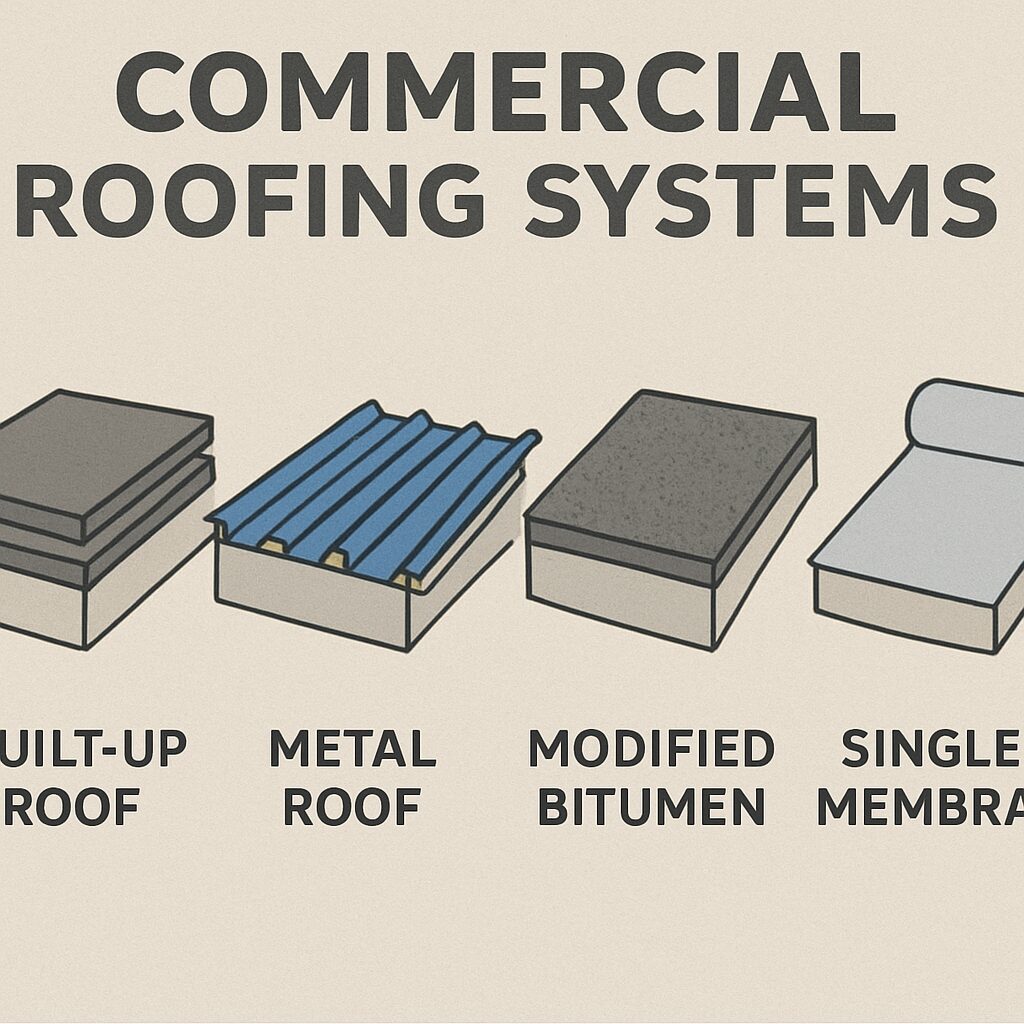
Maintaining a commercial roof in New Jersey is crucial for building longevity. The state’s diverse weather patterns can challenge roof durability. Regular maintenance can prevent costly repairs and extend roof life. It involves inspections, cleaning, and timely repairs. Understanding different commercial roofing systems helps in choosing the right maintenance approach. Each roof type has unique needs. Partnering with reliable suppliers ensures access to quality materials. This is vital for effective maintenance. A proactive maintenance plan can save money and enhance roof performance. It also ensures compliance with warranties. Investing in professional roofing services can provide expert care. This protects your investment for the long term. Understanding Commercial Roofing Systems in New Jersey New Jersey’s climate demands robust roofing solutions. The right system can withstand harsh weather. It’s essential to grasp the various commercial roofing systems available. Selecting an appropriate system requires knowing their strengths and weaknesses. Understanding these systems ensures effective maintenance. It’s crucial for long-term performance. Common types in New Jersey include: Each system offers unique benefits and challenges. For instance, single-ply membranes offer energy efficiency but might require regular inspections. Conversely, metal roofs provide durability with minimal upkeep. Understanding these differences helps in making informed choices that align with maintenance strategies. Key Factors Affecting Commercial Roof Longevity Several elements influence the lifespan of commercial roofs. Weather is a primary factor, especially in New Jersey. The state experiences heavy snow, rain, and varying temperatures. Besides the climate, the material and installation quality play a critical role. Selecting high-quality materials and experienced installers can extend roof life significantly. Regular maintenance practices keep the roof in prime condition. Consider these key factors: These factors determine how long the roof will last. Addressing them in your maintenance plan can save substantial repair costs. Proactive planning is key for maximizing roof lifespan. Essential Maintenance Tips for All Commercial Roof Types Maintaining commercial roofs involves consistent care. Implementing regular inspections and timely repairs can extend a roof’s lifespan. Start by understanding the unique needs of your roof type. Routine tasks are essential, regardless of the roofing system. These simple steps can prevent expensive issues and extend roof life: Invest time in these practices to protect your building. Each task plays a vital role in roof longevity. Keeping a schedule ensures nothing gets overlooked. A well-maintained roof can handle weather and wear more effectively. Regular Inspections: The Foundation of Roof Longevity Inspections are vital for detecting problems early. Schedule them semi-annually for maximum effect. Conduct additional checks after severe weather events. Inspectors look for signs of wear and potential issues. They evaluate flashing, seams, and membrane condition. Early detection reduces the risk of severe damage. Follow this basic inspection checklist: Regular inspections help maintain roof health. They ensure minor problems don’t escalate. This proactive approach saves time and money in the long run. Cleaning and Debris Removal Regular cleaning prevents blockages and damage. Leaves, dirt, and debris often accumulate on roofs. These can cause water pooling and deterioration. Use these tips for effective cleaning: Keeping the roof clean helps with drainage. It prevents standing water from causing damage. Scheduled cleanings are a simple yet crucial maintenance task. Drainage and Gutter Maintenance Efficient drainage is crucial for roof longevity. Clogged gutters can lead to water damage. Regular maintenance prevents these issues. Consider these practices for maintaining drainage: Well-maintained gutters manage water effectively. This process prevents overflow and roof damage. Regular attention to drainage systems is necessary for all roof types. Prompt Repairs and Leak Prevention Addressing repairs quickly can prevent larger issues. Small leaks can lead to significant problems. Fixing them promptly avoids further damage. Essential repair tips include: Prompt repairs save time and resources. They preserve the roof’s condition and prevent costly future repairs. Managing Roof Traffic and Access Monitor traffic on the roof to prevent damage. Excessive movement can cause wear. Limit access to essential personnel. Consider these guidelines for roof access: Managing access reduces unnecessary wear. This cautious approach helps maintain roof integrity. Proper access control is a smart maintenance strategy. Maintenance Strategies for Different Types of Commercial Roofs Commercial roofs come in various types, each requiring tailored maintenance. Recognizing these differences helps create effective care strategies. Each roof type has unique vulnerabilities. Consider the main types of commercial roofing systems: Understanding these differences informs maintenance plans. Different materials and designs need specific approaches. Addressing these needs ensures long-term performance. Begin by assessing roof materials and design. Then implement targeted strategies for each type. This approach optimizes maintenance efforts and extends roof longevity. Flat Roofs: Special Considerations Flat roofs need careful attention due to their design. Water can pool if drainage isn’t effective. Regular maintenance can prevent this issue. Key points for flat roof care: Consistent care prevents leaks and water damage. Specialized strategies are required for these unique roof systems. Proper maintenance extends the roof’s life. Metal Roofs: Maintenance Best Practices Metal roofs are durable but need specific care. They can be susceptible to rust and loosening fasteners. Regular checks keep them in top condition. To maintain metal roofs: These steps help maintain structural integrity. Protect against weather and time with regular upkeep. Effective maintenance ensures lasting performance. Green and Specialty Roofs: Unique Needs Green roofs require specialized maintenance for plant health. They offer environmental benefits but demand more attention. Water and plant care are essential. Important points for green roofs: Green roofs contribute to energy efficiency. They also enhance aesthetic appeal. Consistent care is crucial for thriving vegetation and roof health. Choosing the Right Materials and Suppliers for Longevity Choosing quality materials extends the life of commercial roofs. High-quality materials resist weathering and reduce long-term maintenance. The choice of material affects durability and cost. Consider these factors when selecting materials: Partnering with reliable commercial roofing suppliers is crucial. They provide access to top-grade products and expert guidance. Quality materials from reputable suppliers ensure a durable roofing solution. By selecting the best materials, you invest in longevity. This strategic choice prevents unnecessary repairs and replacements. Ensure your roof can withstand New
DIY Roof Repair: What New Jersey Residents Need
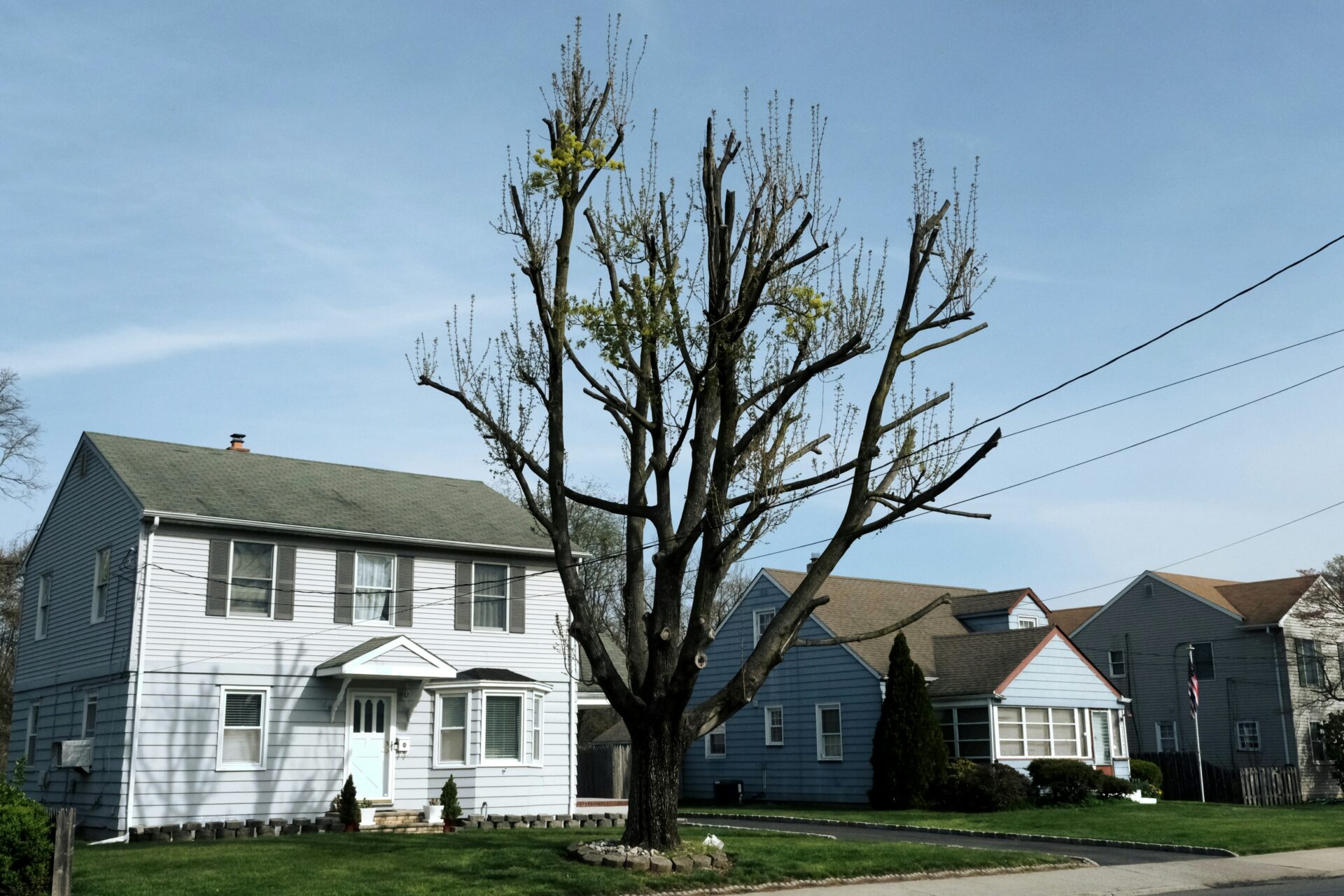
When it comes to maintaining your home, the roof is one of the most critical components. It protects you from harsh weather conditions and adds value to your property. The roof is your home’s first line of defense against nature’s elements, providing insulation and structural integrity. Whether you’re dealing with a minor leak or considering a complete roof replacement, understanding the basics of roof repair can save you time and money. This guide is tailored for New Jersey residents who want to tackle roof repair projects themselves or are looking to hire the best roofing companies in NJ. By understanding the region-specific challenges, you can make informed decisions that ensure the longevity and durability of your roof. Before diving into repairs, it’s essential to identify the common roofing issues specific to New Jersey’s climate. The state experiences a range of weather conditions, from hot summers to cold winters, making your roof susceptible to various types of damage. Understanding these unique challenges can help you anticipate problems and address them proactively. Moreover, knowing the typical wear and tear factors in New Jersey can guide you in choosing the right materials and repair strategies to withstand local weather patterns. Common Roof Issues in New Jersey DIY Roof Repair Basics While some roof repairs are straightforward and can be done by a handy homeowner, others might require professional intervention. Knowing the limits of what you can safely and effectively handle is crucial to avoid further damage. Here are the basic DIY repairs you might consider: Fixing Roof Leaks Repairing Shingle Damage Cleaning Gutters When to Call the Professionals While DIY repairs can address minor issues, some situations require professional expertise. Knowing when to call New Jersey roofers can save you from expensive repairs down the line. Professional roofers have the experience and tools necessary to diagnose and fix complex issues efficiently. Signs You Need a Professional Choosing the Best Roofing Company in New Jersey Selecting the right roofing company can be daunting with so many options available. A reliable contractor can make a significant difference in the quality and longevity of your roof repairs. Here are some tips to help you choose the best roofing companies in NJ: Research and Recommendations Verify Credentials Request Quotes Roof Maintenance Tips Regular maintenance can extend the life of your roof and prevent costly repairs. Consistent care not only preserves the roof’s integrity but also enhances your home’s overall value and curb appeal. Here are some tips to keep your roof in top condition: Seasonal Inspections Regular Cleaning Professional Maintenance Conclusion Whether you’re a DIY enthusiast or prefer leaving it to the experts, understanding the basics of roof repair and maintenance is crucial for New Jersey residents. By identifying potential issues early and choosing the right NJ roofers, you can ensure your home remains safe and secure. Regular maintenance and timely repairs are essential for prolonging your roof’s lifespan and maintaining your property’s value. Remember, when in doubt, calling in the best roofing company in New Jersey can save you time, stress, and money in the long run. With the right approach, your roof can withstand the test of time and weather, keeping your home protected for years to come. Prioritizing your roof’s health ensures a safe and comfortable living environment for you and your family.
Common Chimney Issues in New Jersey Homes
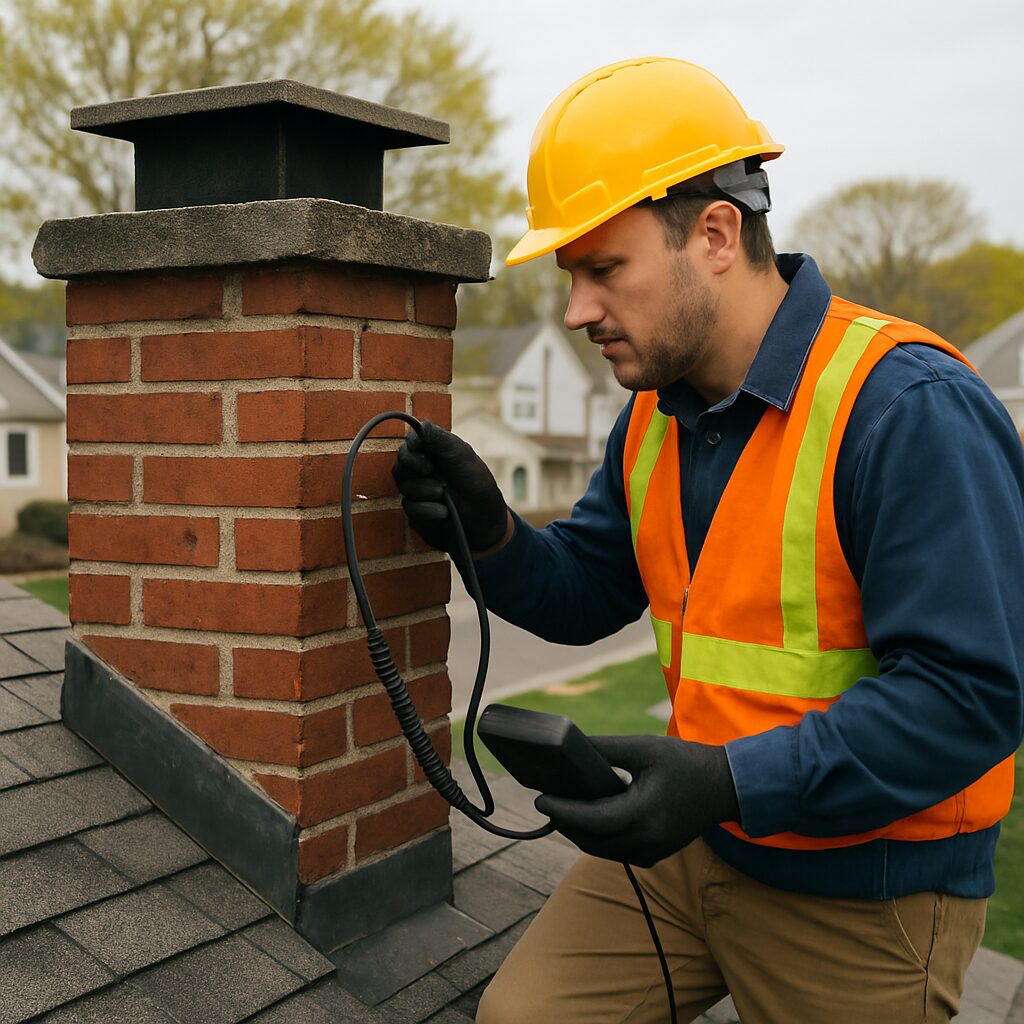
Chimneys are vital for home safety and efficiency. They require regular maintenance to function properly. In New Jersey, especially Bergen County, chimneys face unique challenges. The local climate can cause specific issues. Homeowners should be aware of common chimney problems. This knowledge helps in making informed decisions about maintenance. Regular cleaning and inspections are crucial. They prevent fires and ensure proper ventilation. Understanding these issues can protect your home. It also enhances heating efficiency and safety. Why Chimney Maintenance Matters in New Jersey Chimneys endure harsh weather in New Jersey. The freeze-thaw cycle can damage masonry and lead to leaks. Maintaining your chimney ensures it withstands these conditions. Neglecting chimney care can cause severe issues. Blockages might lead to smoke backdrafts. Damaged liners can leak harmful gases. Regular maintenance prevents these dangers. A well-maintained chimney improves home safety and efficiency. It also extends the life of the chimney. Key reasons for chimney maintenance include: Most Common Chimney Problems in Bergen County Homes Chimneys in Bergen County face several issues due to the climate. Homeowners should be aware of these common problems. Addressing them early can prevent costly repairs. One frequent issue is chimney blockages. Creosote buildup and debris are typical culprits. They can obstruct airflow, leading to smoke and carbon monoxide risks. Cracked or damaged chimney liners pose another hazard. These liners protect against gas leaks. They need prompt repairs to maintain safety. Water damage is also prevalent. Leaks can lead to structural problems and mold growth. Chimneys are particularly vulnerable due to New Jersey’s weather. Masonry issues like spalling bricks are common. The freeze-thaw cycle exacerbates these problems. Keeping masonry in good repair ensures chimney integrity. Chimney caps and flashing need attention too. Damaged caps allow water and animals in. Faulty flashing can lead to leaks. Common chimney issues include: 1. Chimney Blockages and Creosote Buildup Blockages are a safety concern. They restrict airflow and can cause dangerous backdrafts. Common causes include creosote, leaves, and nests. Creosote is highly flammable. It accumulates from burning wood. Regular cleaning is crucial to mitigate risks. To prevent blockages, consider: 2. Cracked or Damaged Chimney Liners Liners are vital for safety. They prevent heat and gases from damaging the chimney or entering the home. Cracks can develop over time, leading to leaks. A professional inspection identifies liner issues. Repairing them promptly avoids more severe problems. In severe cases, re-lining may be necessary. 3. Water Damage and Leaks Chimneys are prone to water damage. Leaks can weaken the structure and promote mold growth. New Jersey’s weather exacerbates these problems. Common water entry points include deteriorated flashing and damaged masonry. Steps to mitigate water damage involve: 4. Masonry and Structural Issues Masonry damage is common in chimneys. The freeze-thaw cycle can cause bricks to spall. This weakens the chimney and affects stability. Regular inspections help catch masonry issues early. Maintaining the mortar and bricks is key to avoiding extensive repairs. 5. Chimney Cap and Flashing Problems Chimney caps play a critical role. They keep out water and animals. A damaged cap can lead to blockages and water entry. Flashing prevents leaks around the chimney base. Over time, it can deteriorate. Regular checks ensure the flashing remains intact to protect your home. Signs Your Chimney Needs Attention Homeowners should be observant of chimney issues. Certain signs indicate that a chimney needs professional care. Addressing these early can help prevent more significant concerns. Common warning signs include: Each of these signs points to a potential problem that could worsen if ignored. Regular observation and prompt action are essential to maintaining a safe and efficient home environment. The Importance of Regular Chimney Cleaning and Inspections Regular chimney upkeep safeguards against fires and harmful gases. A well-maintained chimney enhances home safety and heating efficiency. Scheduling professional inspections ensures that issues are caught early. Cleanings help prevent creosote buildup, a significant fire hazard. Key benefits of routine maintenance include: Professional Chimney Repair Services in North Jersey Expert chimney repair services in North Jersey tackle everything from minor cracks to major rebuilds. These professionals understand local climate impacts on chimneys. When issues arise, timely repairs by skilled technicians can prevent further damage. Relying on local services ensures you benefit from their specialized knowledge and quick response. Choosing the Right Chimney Service in Bergen County Selecting a reliable chimney service is essential for effective repairs and cleaning. Ensure they have experience in dealing with common New Jersey issues. Consider the following when choosing a service: Conclusion: Protect Your Home with Proper Chimney Care Consistent chimney care is key to avoiding costly repairs and ensuring safety. Understanding common issues helps prevent serious damage. Prioritize regular cleanings and inspections to maintain your chimney’s integrity. Protect your home by addressing problems before they escalate.
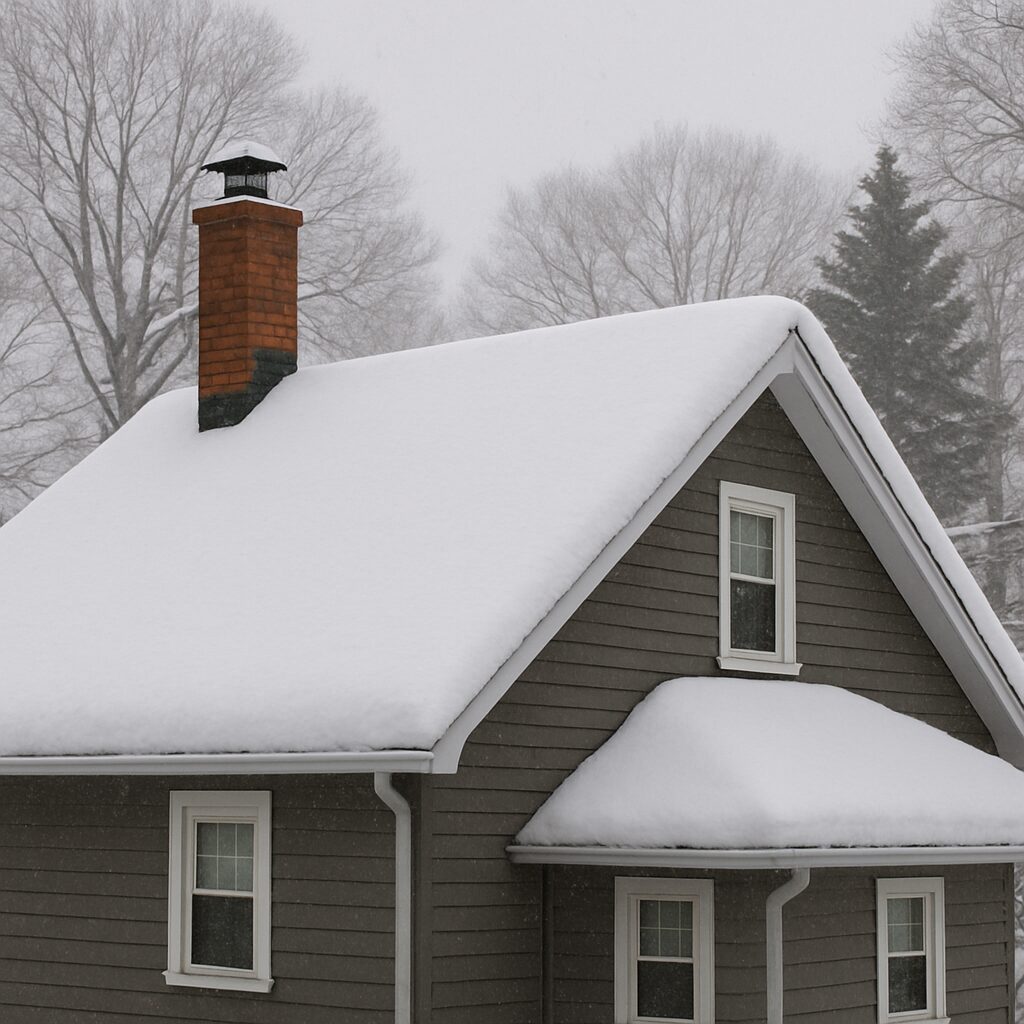
Seasonal Roof Maintenance Tips for NJ Homes
Maintaining your roof is crucial for New Jersey homeowners. The state’s diverse climate can take a toll on roofing materials. Regular upkeep helps prevent costly repairs and extends your roof’s lifespan. Each season brings unique challenges for your roof. From heavy snow in winter to summer storms, your roof needs attention year-round. Proactive maintenance can save you money and stress. Simple tasks like cleaning gutters and inspecting shingles can make a big difference. This guide offers practical tips for seasonal roof care. Keep your home safe and sound with these expert recommendations. Understanding New Jersey’s Unique Roofing Challenges New Jersey’s climate presents specific roofing challenges. Homeowners must account for diverse weather conditions that impact roof health. From snow to thunderstorms, each season leaves a mark. Geographical features also play a role. Coastal areas face saltwater exposure, increasing wear and tear. Inland, roofs endure variations in humidity and temperature. Consider these key challenges when maintaining your roof in New Jersey: Proactively addressing these challenges can significantly extend your roof’s lifespan. Ensure your roof is ready for New Jersey’s climate. Essential Pre-Season Roof Inspection Tips Pre-season inspections are crucial for discovering roof issues before they escalate. Ensuring your roof is in prime condition can prevent costly repairs. It also provides peace of mind during severe weather. Begin your inspection with a ground-level view. Use binoculars to check for visible damage, such as missing shingles or sagging areas. A safe approach that still gives comprehensive insights. Key components to inspect include: Regular pre-season checks help you stay ahead of potential problems. Schedule inspections twice a year, especially before and after extreme weather events. Spring Roof Maintenance Checklist Spring is the ideal time to address any roof damage winter may have caused. A thorough inspection and maintenance routine prepares your roof for the warmer months. This proactive approach ensures longevity and functionality. Begin by cleaning your gutters and downspouts to ensure proper drainage. Remove all debris and leaves that may have accumulated over the winter months. Your spring checklist should include: Spring cleaning for your roof keeps it in top shape, preventing potential issues. Take these steps to enjoy a carefree summer. Summer Roof Maintenance Checklist Summer heat can stress your roof, making maintenance crucial during this season. Regular checks help in extending the life of your roofing materials. They also ensure your roof withstands the intense sun and any summer storms. Inspect for signs of weathering, especially on shingles, which may become brittle. Look for cracks or curling, as this suggests sun damage. Address any issues before they worsen. Include these steps in your summer checklist: Proper summer maintenance avoids potential damage, keeping your roof reliable. Maintain vigilance as temperatures rise. Fall Roof Maintenance Checklist Fall is the perfect time to prepare your roof for the coming winter. The mild weather makes it ideal for completing necessary maintenance tasks. Addressing potential problems now can prevent costly repairs later. Leaves and debris accumulating on your roof can cause major issues. Clogged gutters and downspouts lead to water damage. Ensure everything is clear to avoid these problems. Prioritize these tasks in your fall checklist: Completing these steps ensures your roof can handle winter’s challenges. Proactive fall maintenance protects your home during colder months. Winter Roof Maintenance Checklist Winter can be tough on roofs, especially with snow and ice. Preparing your roof for these conditions is crucial to avoid damage. Begin by ensuring proper ventilation to prevent ice dams. Heavy snow and ice buildup can strain your roof’s structure. Regularly remove snow using a roof rake. This prevents undue weight and potential damage. Key winter maintenance tasks include: These steps safeguard your roof during harsh winter months. Prioritize these tasks to maintain your roof’s integrity until spring. Common Signs Your Roof Needs Repair Recognizing early signs of damage can save you from costly repairs later. Even minor issues can escalate rapidly if ignored. Pay attention to specific indicators that suggest your roof needs attention. Be on the lookout for: These signs often indicate underlying issues needing prompt attention. Addressing them early prevents further problems. Keeping your roof in prime condition is key to protecting your home. The Importance of Gutter and Attic Maintenance Proper maintenance of gutters and attics is crucial for roof health. Clogged gutters lead to water buildup, causing roof damage. A well-ventilated attic prevents moisture accumulation. Include these tasks in your maintenance routine: Taking care of these areas helps extend your roof’s life. It also maintains a healthy and safe living environment in your home. When to Call Professional New Jersey Roofers Sometimes roof issues require expert attention beyond DIY fixes. Knowing when to call in professionals can save you money and headaches. Consult a roofing expert when you notice: Professional roofers have the skills to address complex roofing problems. They ensure that your roof remains durable and secure. Trusting experts can prevent further damage and costly repairs down the line. Choosing the Best Roofing Company in New Jersey Selecting the right roofing company is crucial for quality work and peace of mind. New Jersey offers many options, so research is key. Consider the following criteria when choosing a roofing company: A reputable roofing contractor in NJ will ensure your roof remains sturdy and efficient. Make informed decisions to protect your home. Frequently Asked Questions About NJ Roof Maintenance Homeowners often have queries about maintaining their roofs. Addressing these concerns can lead to better care and fewer surprises. Common questions include: It’s important to stay informed to prevent issues. Regular checks and timely repairs can extend your roof’s lifespan. For any complex questions, consulting with NJ roofers can provide clarity and expert guidance.
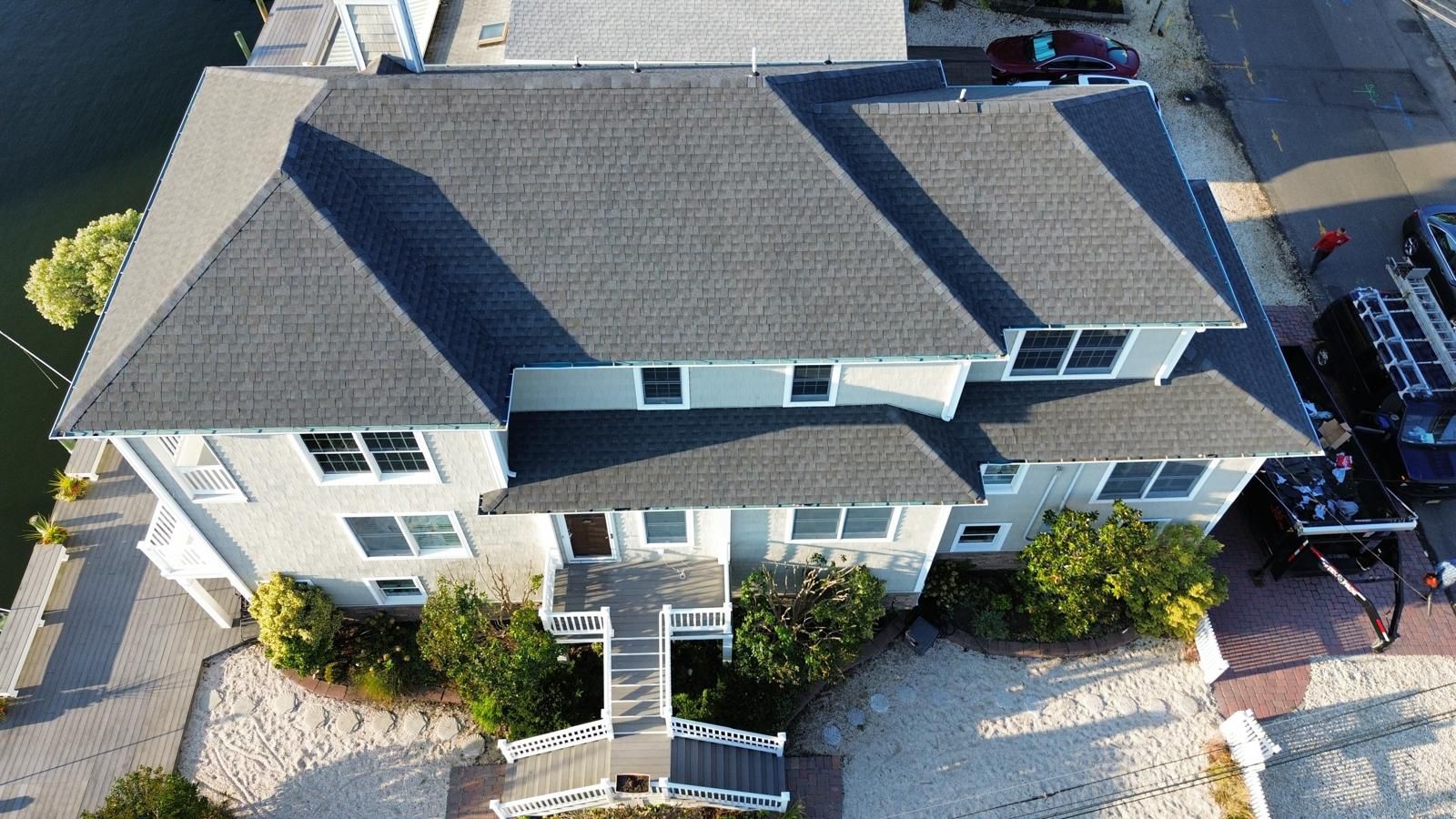
How the Weather in New Jersey Affects Roof Repairs
New Jersey’s weather can be unpredictable—from sweltering, humid summers to icy, snowy winters, your home’s roof takes the brunt of it all. For New Jersey homeowners, property managers, and business owners, understanding how seasonal changes affect your roof is crucial for efficient planning, timely maintenance, and long-term structural integrity. The local climate directly influences the how, when, and why of roof repair in New Jersey. By planning around the seasonal shifts, you can select the best materials, maximize the lifespan of your repairs, and avoid unnecessary emergency costs. How New Jersey Weather Impacts Roofing Materials New Jersey’s distinct climate factors create unique challenges for residential and commercial roofing materials: Local Tip: Coastal regions near the Jersey Shore face stronger, sustained winds, which increase the risk of wind damage, and salt exposure, which can corrode metal flashing faster than on inland properties. Seasonal Breakdown: Timing Your NJ Roof Repairs The timing of your repair or replacement project is critical. Here is how each season affects roofing work: Spring: The Ideal Time for Inspection Summer: Plan Replacements Carefully Fall: Best for Major Projects and Preparation Winter: Emergency Repairs Only Common Weather-Related Roof Problems in New Jersey New Jersey homeowners frequently encounter specific, climate-driven roofing issues: How to Plan Roof Repairs Efficiently Taking a proactive, weather-aware approach will save you stress and money: Emergency Roof Repairs During Severe Weather If a sudden leak or storm damage occurs, follow these safety steps: Conclusion New Jersey’s dynamic weather can be harsh on roofs. Still, with proper planning, preventative maintenance, and an understanding of seasonal timing, you can protect your home from costly damage year-round. Prioritizing seasonal roof maintenance in NJ is key to maximising your roof’s lifespan and safeguarding your property. If your roof has been damaged by recent weather or if you suspect winter has caused hidden issues, don’t wait for the next storm. Contact trusted New Jersey roofing contractor today for a thorough roof inspection and reliable, weather-aware repair service.
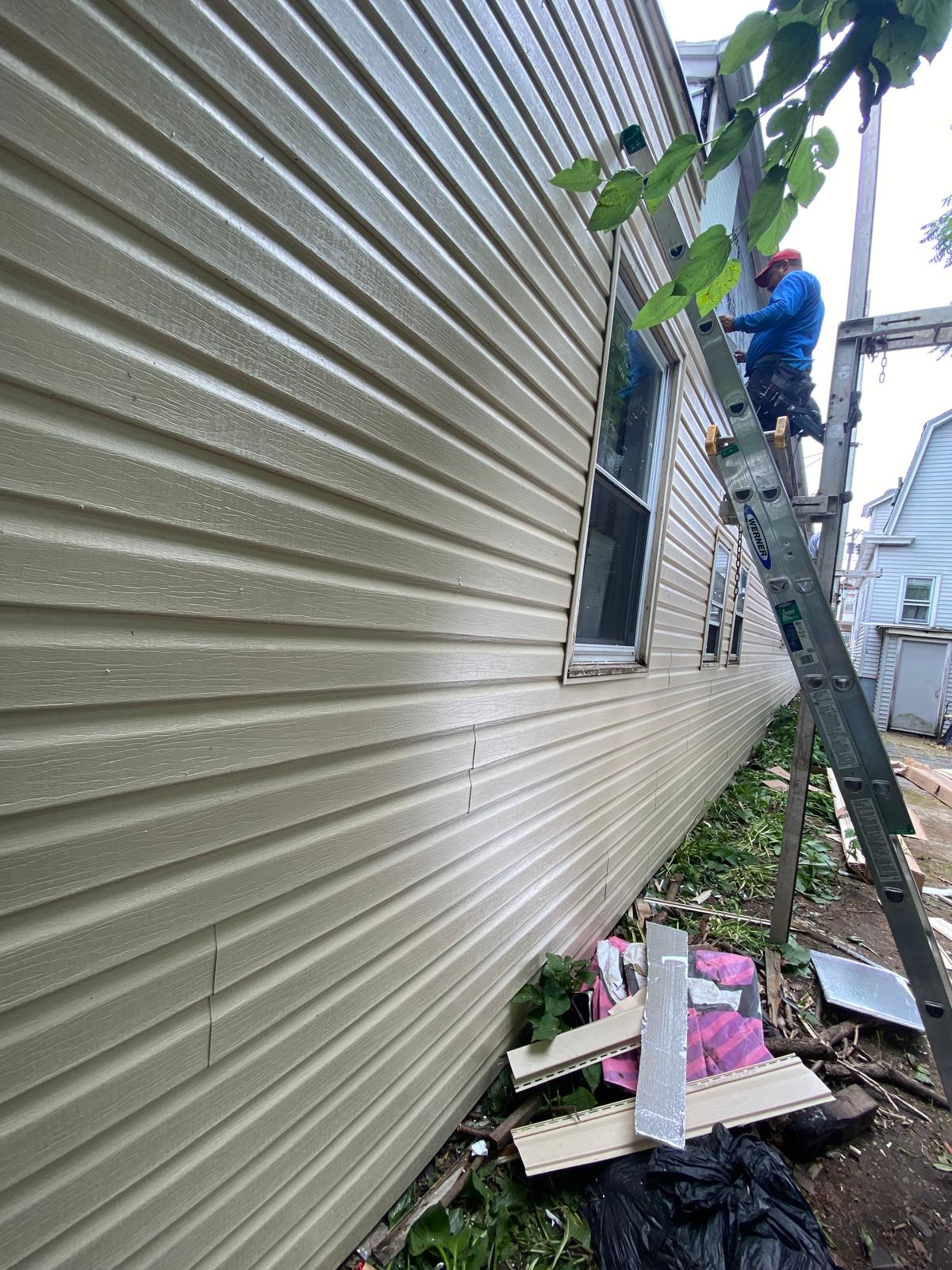
Siding Maintenance Tips for New Jersey Areas: Keep Your Home Protected Year-Round
Do you ever look at your siding after a brutal Nor’easter or a scorching August heatwave and think, “How much can this material really take?” You’re not alone! New Jersey’s unpredictable weather is harsh on everything, especially the exterior of your home. Your siding isn’t just a decorative shell; it’s the strong, reliable armor that protects your family and your most significant investment from everything Mother Nature throws at it. If your siding is starting to look a little tired, dull, or weather-worn, it’s a clear sign you need to step in. This guide shares simple, practical siding maintenance tips tailored for New Jersey’s climate so you can stop minor issues from becoming expensive headaches. The New Jersey Difference: Why Maintenance Is a Must-Do Here in the Garden State, we get it all: humid, sticky summers, freezing winters, heavy spring rains, and strong coastal winds. This seasonal rollercoaster creates a unique challenge for your siding. The constant cycle of extreme heat (expansion) and extreme cold (contraction) stresses your materials, which is why a small crack can quickly turn into a significant problem. Regular home exterior maintenance in New Jersey is your best defense against: What’s Your Siding Type? A Quick NJ Home Check Different materials demand different TLC. Here’s a quick rundown of the most common materials we see on New Jersey homes: Your Essential Siding Maintenance Checklist You don’t need to be a contractor to keep your siding in great shape. Just follow these seven straightforward steps for reliable siding maintenance in New Jersey. 1. Give It an Annual Bath (The Siding Cleaning NJ Edition) Dirt, mildew, and that green algae love New Jersey’s humidity. Once a year (spring is ideal!), clean your siding. Use a mild soap and a soft brush or a low-pressure washer. Crucially, always wash downwards to prevent water from spraying up and behind the panels. 2. Become a Gap Detective Walk the perimeter of your house twice a year—it’s great exercise! Look closely for any small cracks, gaps, or panels that have pulled away. Pay special attention after a big storm. Even the smallest opening is a potential water entry point. 3. Refresh the Caulk and Sealant Check around all your windows, doors, and utility entry points. If the old caulk is cracked or peeling, peel it out and apply fresh sealant. Proper sealing is critical; it keeps moisture out and helps save you money on your winter heating bill. 4. Don’t Let Paint Protection Fail Paint and sealant aren’t just for looks; they are the primary barrier against the elements. If you have wood or fiber cement, watch for chipping. Even for vinyl siding care in NJ, if the color is looking dull, a proper coat of approved paint can refresh the look and add protection for years. 5. Keep the Landscape Trimmed Back Your greenery is beautiful, but not when it’s touching the house. Keep bushes, vines, and tree branches several inches away from your siding. Constant friction traps moisture and can lead to abrasion, damaging the surface finish. 6. Watch for Warning Signs Be vigilant for subtle issues: bubbling paint, soft spots, or faint discoloration. These are often the first signs that moisture is trapped behind the siding, and that needs a professional look right away. 7. Schedule a Pro Check-Up Even the most dedicated homeowners miss things. We recommend having your siding checked by a trusted local expert every 2–3 years. They can spot minor structural or flashing issues that could lead to significant damage down the road. Seasonal Siding Tips (The NJ Homeowner’s Calendar) Your maintenance routine changes with the weather: Season Siding Maintenance Focus Why It Matters in NJ Winter Look for new hairline cracks created by freeze/thaw cycles. Ice expands and widens small gaps, leading to spring leaks. Spring Time for that big annual wash to remove road salt and grime. Snowmelt and road salts leave residue that damages the finish. Summer Check the most sun-exposed areas for fading and warping. High humidity and strong sun put the greatest stress on materials. Fall Clean your gutters and downspouts! Overflowing water is the number one cause of water penetration behind your siding. Time for an Upgrade? When to Stop Repairing There comes a point when maintenance just isn’t enough. It might be time to consider a complete replacement if you notice: A beautiful, well-maintained exterior is more than curb appeal; it’s peace of mind. By taking these simple steps, you can ensure your New Jersey home stays protected, looks fantastic, and maintains its value for decades to come. Tired of worrying about the next big storm damaging your exterior? If you’ve spotted a severe crack, noticed fading, or if your siding has seen too many New Jersey winters, it’s time to call in the local experts. At Deluxe Construction NJ, we understand the unique demands of the climate across every county—from Bergen to Cape May. We don’t just fix siding; we provide durable, weather-resistant solutions that are designed to last in the Garden State. Why choose Deluxe Construction NJ for your siding needs? Regular siding care keeps your home beautiful, energy-efficient, and structurally protected year-round. Don’t wait until a minor repair turns into a costly overhaul!
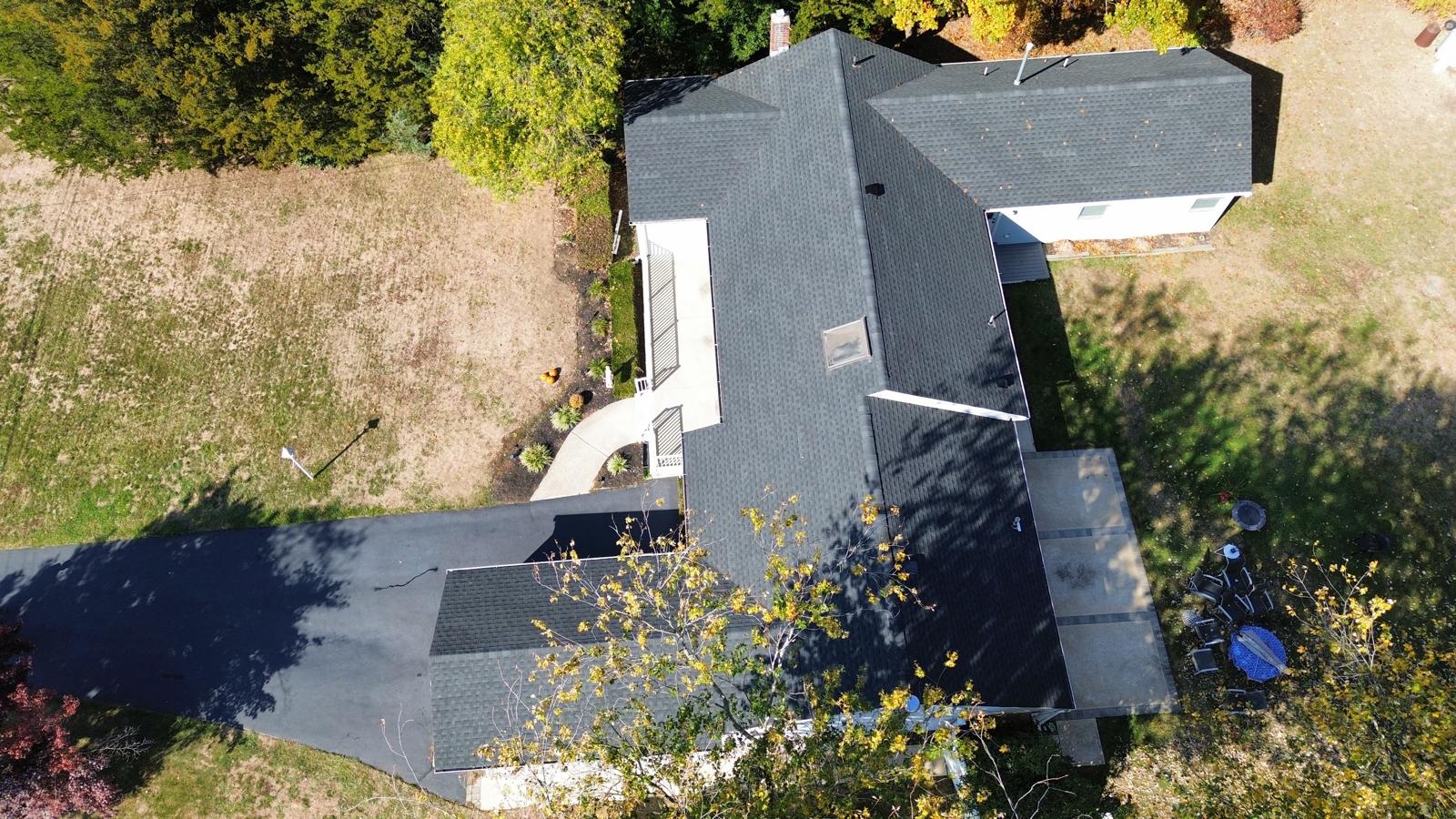
The Most Ignored Roofing Problems in New Jersey — and How to Fix Them
A small roof leak might not seem like a big deal — until it leads to mold, insulation damage, or thousands in repair costs. As a New Jersey homeowner, your roof is the first line of defense against the Garden State’s famously volatile climate. We’re talking about everything from blistering summer heat and humidity to the heavy snow and ice dams of winter, as well as the fierce coastal winds and torrential rainfall that can hit us at any time. This extreme, fluctuating weather is why a minor roofing problem in New Jersey can escalate into a structural disaster faster than you might think. Many homeowners only think about their roof when they see a stain on the ceiling. By then, a quick fix is usually off the table. This article will shine a light on the most common and easily overlooked roofing issues NJ homeowners face, and most importantly, provide you with actionable advice on how to prevent them and what to look for during a regular roof inspection in New Jersey. Why Ignoring Roofing Problems Is Costly The core danger of neglected roof issues is simple: water intrusion. A small crack in a shingle or a tiny gap in the flashing allows water to seep into the underlayment and, eventually, into the structural wood of your roof deck and attic. This progression turns a $200 shingle repair into a scenario that can cost tens of thousands: The single best strategy for New Jersey homeowners is proactive maintenance. A routine inspection—especially after severe weather—can save you thousands in the long run by catching problems while they are still small. The Most Commonly Ignored Roofing Problems in New Jersey Homeowners frequently dismiss these six issues, but they account for the vast majority of emergency roof repair calls we receive in NJ. Small Roof Leaks (The Silent Destroyer) Often, a leak doesn’t start as a dramatic drip; it begins as minor seepage that you might only notice during a hefty rainstorm. Clogged Gutters and Downspouts (The Drainage Nightmare) In the fall, New Jersey’s beautiful foliage can become your roof’s enemy. Heavy debris accumulation prevents proper water flow. Damaged or Missing Shingles (Post-Storm Vulnerability) After any significant wind or hail event—common occurrences from the shore to the suburbs—it’s easy to miss a few lifted or broken shingles from the ground. Seasonal Roofing Challenges in New Jersey New Jersey’s distinct seasons put a unique strain on our roofs, requiring a cyclical approach to roof maintenance NJ. Season Challenge Preventive Maintenance Winter Ice Dams & Heavy Snow: Trapped water forces its way under shingles. Ensure attic is well-ventilated and insulated; keep gutters clear before the first snow; consider heat cables in problem areas. Spring Freeze/Thaw & Heavy Rain: Exposes shingles cracked over winter. Perform a full post-winter roof inspection New Jersey to check for missing shingles and flashing damage. Summer Extreme Heat & Humidity: Causes roofing materials to expand and contract; promotes mold/algae growth. Maximize attic ventilation to reduce heat buildup and extend shingle life. Trim tree branches. Autumn Foliage Clogs: Leaves and debris fill gutters, setting up winter issues. Thoroughly clean all gutters and downspouts before the first frost. Inspect chimney caps and seals. When to Call a Professional Roofer in NJ While spot-fixing a loose shingle is manageable, sure signs demand the expertise of a licensed roof repair NJ professional: Hiring a trustworthy, locally-focused contractor for regular inspections is the single best investment you can make. Professionals are trained to spot subtle, easily missed signs of early structural failure and hidden roofing problems in New Jersey that the untrained eye might overlook. Conclusion Most major, costly roof replacements start as small, ignored issues—a single clogged gutter, a missing shingle, or a barely visible hairline crack in the flashing. New Jersey’s unrelenting weather conditions ensure these minor problems will not fix themselves; they will only get worse. Protect your home and your wallet by shifting your approach from reactive crisis management to proactive prevention. Don’t wait for the next storm to reveal a disaster. Take control of your home’s defense today. Whether you’re in Newark, Trenton, or Jersey City, taking care of your roof today can prevent costly headaches tomorrow. Contact a trusted local contractor for a comprehensive roof inspection in New Jersey to identify these early warning signs and secure the longevity of your
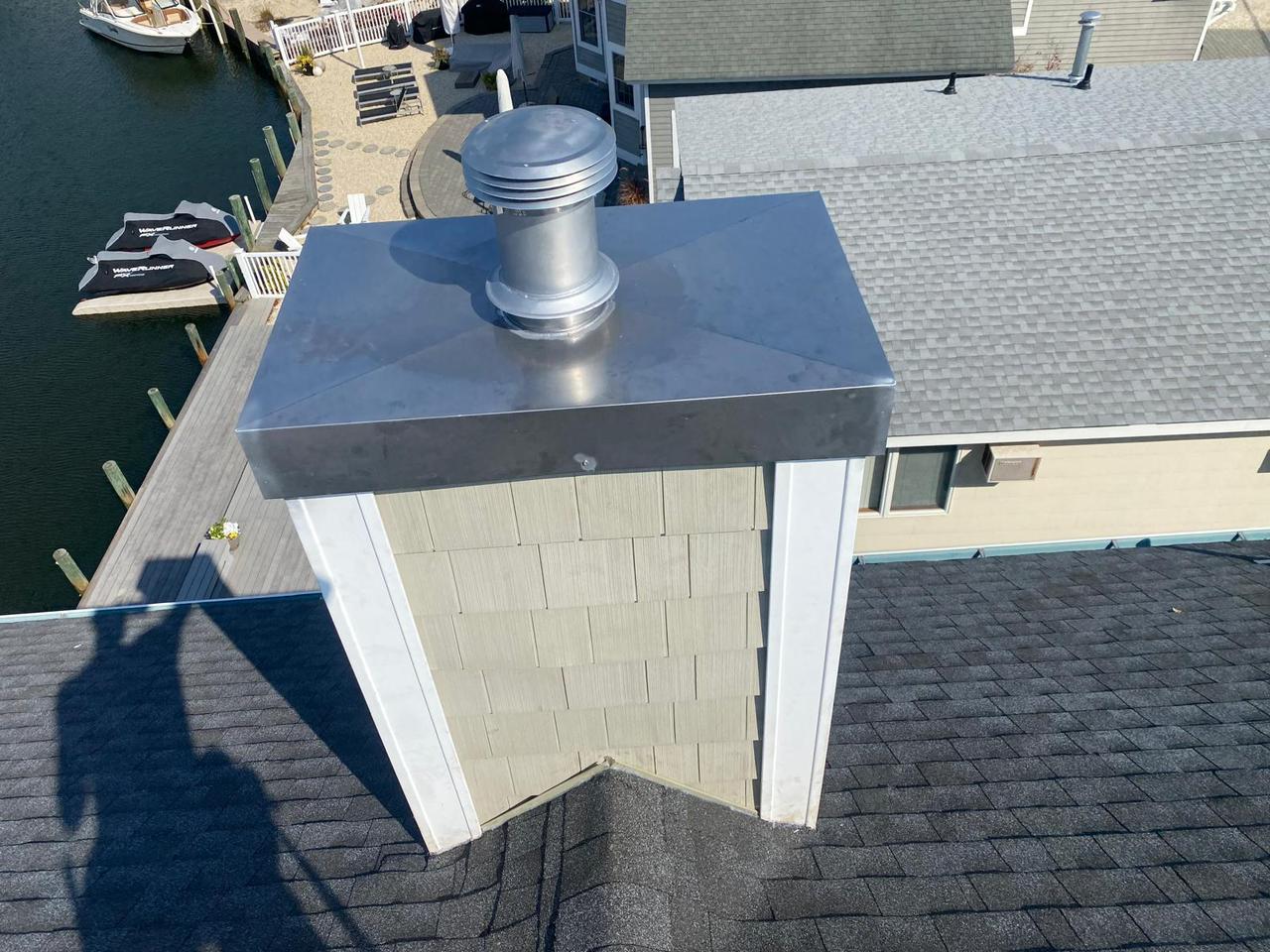
Why Every Home Needs a Chimney Cap in NJ
If you own a home in New Jersey, your chimney faces everything from heavy rain and persistent snow to strong coastal winds, and even curious wildlife — and one small accessory can protect it all: the chimney cap. Perched right at the top of your chimney’s flue, the cap is an unsung hero of home maintenance. It’s one of the most affordable, yet absolutely crucial, upgrades you can make for overall chimney safety and longevity. Ignoring this simple component can lead to thousands in avoidable costs for chimney repair and inspection in NJ. What Is a Chimney Cap and Why Is It Important? A chimney cap is a metal umbrella for your chimney system. It works by covering the open flue with a durable metal hood, which overhangs the opening to shed water. Crucially, it also features a mesh screen that wraps around the sides. This simple design offers multi-faceted protection: Common materials used in chimney cap installation in NJ include stainless steel (the gold standard for durability), premium copper, and budget-friendly galvanized metal. For the harsh, varied weather of New Jersey, choosing a high-quality material is essential. 5 Reasons Every NJ Home Needs a Chimney Cap Protecting your home from the elements is a priority, and for your chimney, the cap is the first line of defense. Here are five powerful reasons why a chimney cap is essential for your New Jersey home: 1. Protects Against Costly Water Damage New Jersey’s climate delivers a mix of heavy rain, freezing temperatures, and snow. Without a cap, water pours straight into your chimney flue. This constant moisture intrusion causes severe, costly damage: A chimney cap is the simplest way to prevent thousands of dollars in water-related chimney repairs in New Jersey. 2. Keeps Out Animals and Birds As the weather cools, raccoons, squirrels, bats, and birds see your warm, dark chimney as the perfect nesting site. A chimney cap’s wire mesh screen acts as an impenetrable barrier. Without a cap, an animal infestation can cause: 3. Prevents Smoke Downdrafts New Jersey’s strong coastal winds and winter storms can sometimes overpower the natural draw of your chimney, creating a downdraft that pushes smoke and ashes back into your living room. A properly designed and fitted chimney cap helps to manage wind turbulence at the chimney’s opening, promoting steady, consistent airflow. This ensures that smoke and harmful gases are reliably pulled up and out of your home. 4. Blocks, Leaves, and Flammable Debris During the beautiful, but messy, fall season in NJ, leaves and twigs fall directly onto your roof. Without a cap, this organic debris collects at the bottom of your flue. This buildup drastically increases the risk of a dangerous chimney fire. A cap keeps the flue clear, ensuring proper ventilation and reducing the fire hazard. 5. Improves Fireplace Efficiency & Safety By keeping the flue clear and preventing sudden downdrafts, a chimney cap helps your fireplace draft correctly. This leads to a cleaner, more efficient burn, less smoke backflow into your home, and an all-around safer environment for your family. Common Chimney Problems Caused by Missing Caps If you are missing a chimney cap, you are likely to experience one or more of these tell-tale signs: Choosing the Right Chimney Cap for NJ Homes When considering chimney protection New Jersey, the material you choose matters for longevity: Material Key Benefits for NJ Homes Budget Stainless Steel Best Durability and weather resistance. Will not rust. Recommended for most homes. Mid-Range Copper Premium Aesthetic. Excellent weather resistance and develops an attractive patina over time. High-End Galvanized Steel Budget Option. Least expensive, but can rust and degrade faster in harsh climates. Low-End Why Hire a Professional Chimney Service in NJ Installing a chimney cap is not a DIY job. Climbing onto a New Jersey roof is dangerous, and proper sizing is essential for the cap to function correctly. When you hire a certified chimney contractor in NJ, you get much more than just an installation: Conclusion & Call-to-Action A chimney cap is a small investment that offers disproportionately large protection against unpredictable weather, problematic wildlife, and catastrophic water damage in New Jersey. It is a fundamental component of a safe, efficient, and well-maintained home. Don’t wait until you’re facing a costly leak or an animal invasion! Schedule your professional chimney repair and inspection in NJ, or chimney cap installation in NJ, today to ensure your fireplace and chimney stay safe and operational year-round.
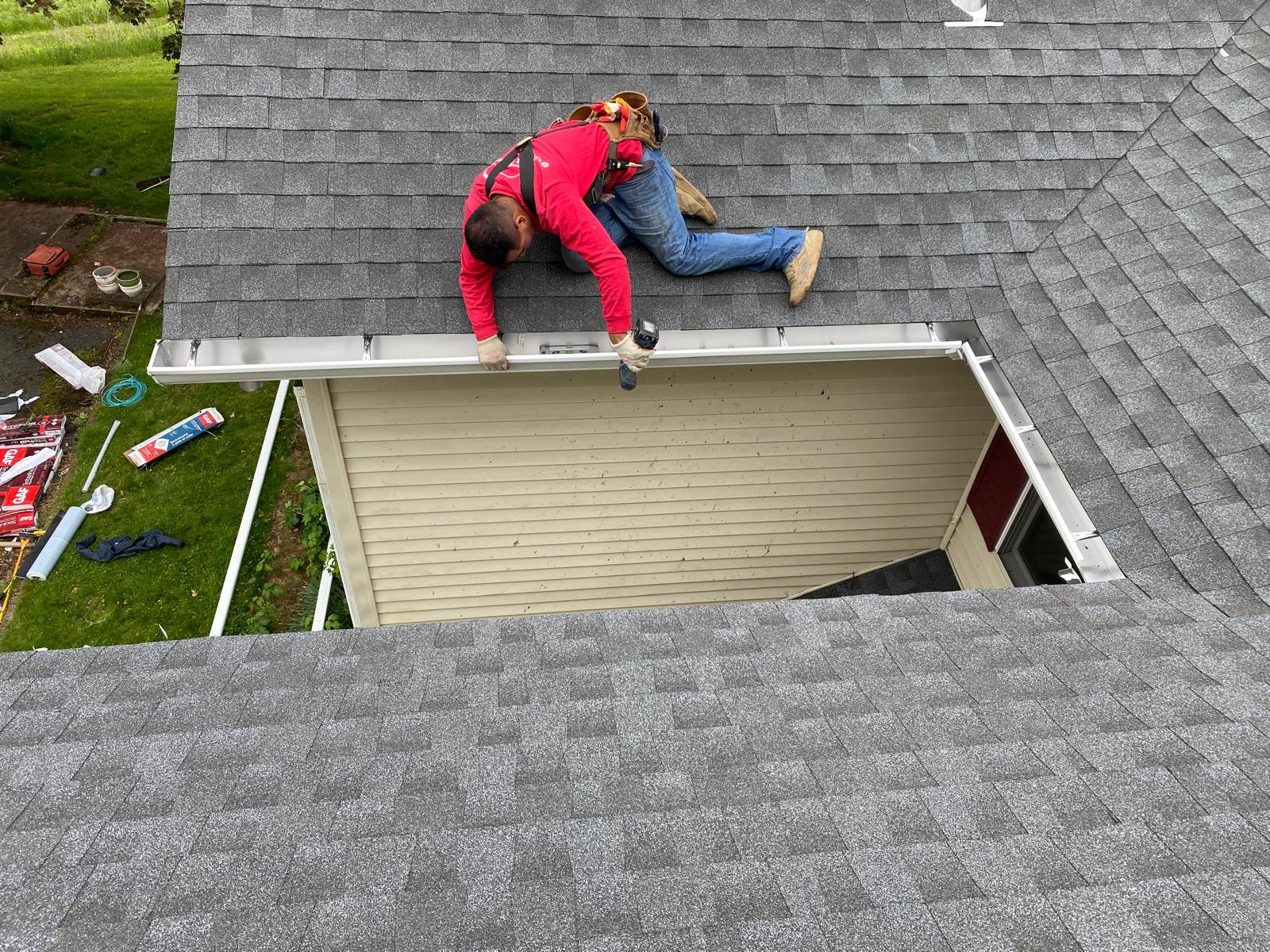
Roof Inspection in NJ – Keep Your Roof Safe Year-Round
Roof Inspection in NJ – Keep Your Roof Safe Year-Round When was the last time you had your roof inspected?For most homeowners in New Jersey, the answer is often “not recently.” The roof silently protects your home through storms, snow, and sun — but like any structure, it needs attention. A professional roof inspection in NJ can prevent costly surprises and extend the life of your roof for years. Understanding the Purpose of a Roof Inspection A roof inspection isn’t just about spotting missing shingles or visible damage. It’s a preventive maintenance step that helps you identify issues early.Professional inspectors evaluate: Shingle condition and granule loss Flashing and sealant integrity Gutter performance and drainage Structural sagging or soft spots Moisture buildup or mold development In New Jersey, where seasonal changes can be harsh, this proactive approach can make a huge difference between a small repair and a full roof replacement. How Often Should You Schedule a Roof Inspection in NJ? Experts recommend at least one inspection per year — ideally in spring or fall.However, you should also schedule an inspection after: Major storms with strong winds or hail Heavy snow accumulation Roof replacements or major repairs When buying or selling a home Because New Jersey’s weather can shift quickly from freezing winters to humid summers, these regular checks are essential for maintaining a strong and safe roofing system. What Happens During a Professional Roof Inspection A professional NJ roof inspection is a thorough process. Typically, it includes: 1. Exterior Evaluation Inspectors check shingles, flashing, and gutters for damage or deterioration. They may use drones or cameras to assess hard-to-reach areas safely. 2. Interior Assessment In the attic, the inspector looks for signs of leaks, insulation issues, and ventilation problems. Moisture stains or light seeping through the roof boards can signal serious concerns. 3. Documentation & Recommendations After the inspection, you’ll receive a detailed report with photos, notes, and recommendations for repair or replacement. This documentation is also valuable if you need to file an insurance claim later. Common Roof Issues Found During NJ Inspections Homeowners are often surprised at what a professional eye can catch. Some of the most common findings include: Curling or cracked shingles: A sign of aging materials or heat exposure. Loose flashing: Can cause water to seep into the structure. Blocked gutters: Leads to water pooling and potential foundation damage. Poor ventilation: Causes moisture buildup and attic mold. Hidden leaks: Small drips that can eventually damage ceilings or insulation. Addressing these issues early can save thousands of dollars and keep your home energy efficient year-round. Why Roof Inspections Are Especially Important in New Jersey New Jersey roofs face unique challenges.From coastal humidity to heavy snow in the north, each region puts different stress on roofing materials. Asphalt shingles can loosen in high winds, while ice dams in winter can lift flashing and create leaks. Regular inspections help adapt maintenance to your local conditions, ensuring long-term protection for your home. The Cost of a Roof Inspection in NJ The cost varies depending on roof size and accessibility but typically ranges between $150 to $400.This small investment can prevent major expenses later — especially considering that roof replacements in NJ can cost anywhere from $8,000 to $20,000 or more. Some contractors even offer free inspections if you suspect storm damage or are considering a new roof installation. Always confirm whether the inspection is comprehensive and includes a written report. FAQs About Roof Inspections in NJ How long does a roof inspection take? Most inspections take between 45 minutes and two hours, depending on your roof’s size and complexity. Do I need to be home during the inspection? It’s not required, but it’s helpful so you can review the findings directly with the inspector. Can roof inspections detect leaks before they’re visible? Yes. Professionals use moisture meters and infrared technology to find hidden leaks before they cause visible damage. Will a roof inspection increase my home’s resale value? A recent inspection report reassures potential buyers that your home is well-maintained, which can help during negotiations. When to Call the Professionals If it’s been more than a year since your last inspection — or if you’ve noticed signs like interior stains, missing shingles, or mold growth — it’s time to contact a roof inspection specialist in NJ.Professional contractors have the tools, training, and experience to catch problems early and recommend the best course of action for your home. Final Thoughts Your roof is your first line of defense against New Jersey’s unpredictable weather. Regular inspections not only protect your property but also save money, preserve comfort, and extend your roof’s lifespan.Whether you live along the coast or further inland, investing in a professional roof inspection in NJ is one of the smartest decisions you can make for your home. Request a FREE Estimate! At Deluxe Construction NJ we take seriously every project. We are keen on making our customer happy. If you have a similar project don’t hesitate to call us to request a free quote! FREE QUOTE
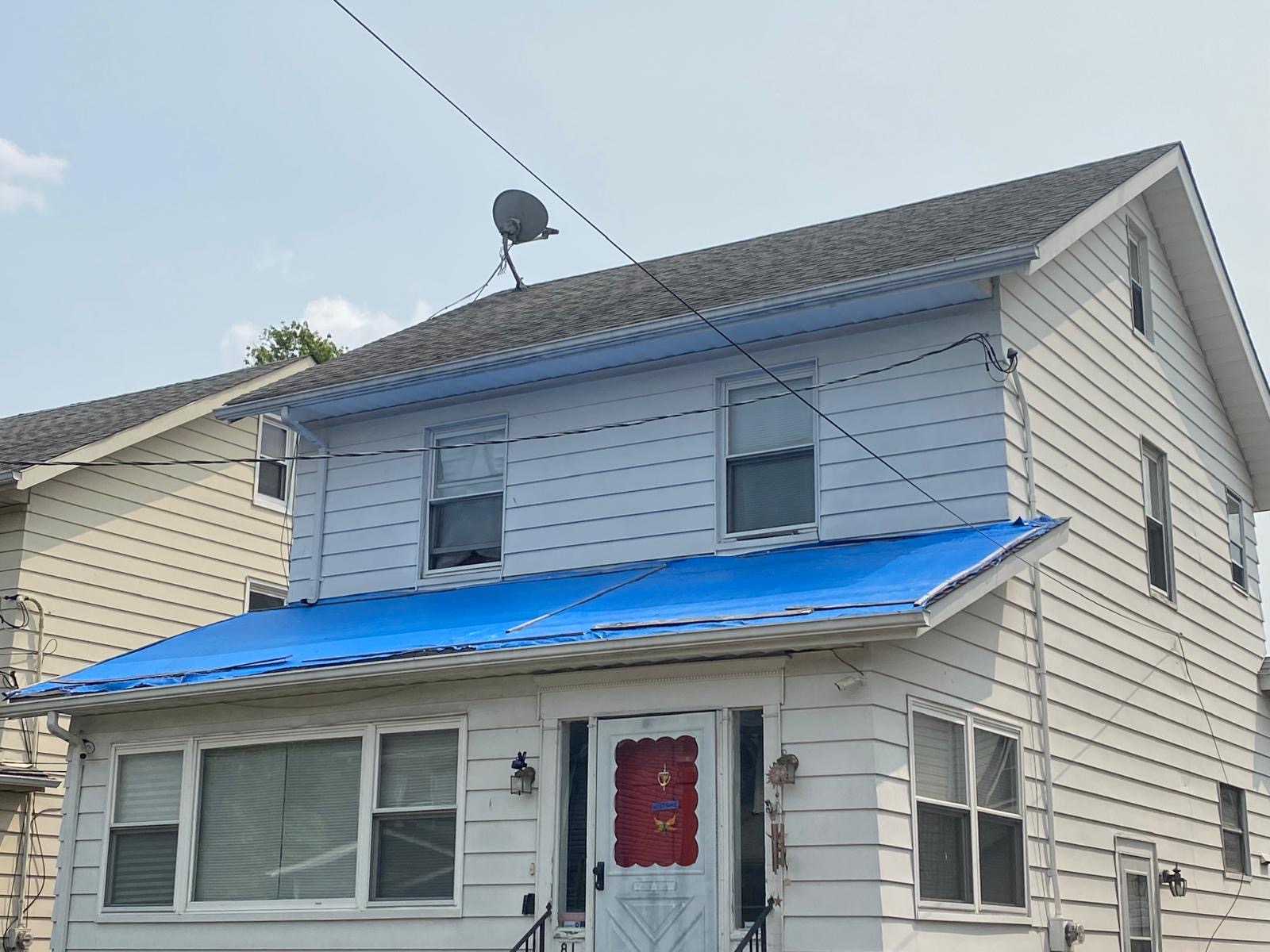
Planning a New Roof? Here’s What Every NJ Homeowner Should Know
Planning a New Roof? Here’s What Every NJ Homeowner Should Know A solid roof isn’t just part of your home’s structure—it’s its first and most important line of defense. Whether you’re building a new house, upgrading your old roof, or replacing one damaged by years of New Jersey weather, making the right choices during installation will determine how well your roof performs for decades. If you’re planning a roof installation in NJ, this guide explains what to expect, which materials work best for the local climate, and how to make sure your investment truly pays off. Why Roof Installation Matters More Than You Think Many homeowners focus on the aesthetics of their roof—color, style, curb appeal—but proper installation affects so much more. A well-installed roof: Improves insulation and energy efficiency. Prevents leaks and structural issues. Increases home resale value. Reduces maintenance costs over time. Poor workmanship, on the other hand, can shorten your roof’s lifespan dramatically. In New Jersey, where roofs must endure snow, rain, heat, and high humidity, correct installation is not optional—it’s essential. Choosing the Right Roofing Material for NJ Homes One of the most important decisions you’ll make is which roofing material to install. Each has its own advantages, costs, and maintenance requirements. Asphalt Shingles The most common choice for NJ homeowners. Affordable, durable, and available in many colors and styles. Lifespan: around 20–25 years. Metal Roofing Resilient against snow and wind, metal roofs are gaining popularity. They reflect heat in summer and shed snow easily in winter. Lifespan: 40–70 years. Flat Roof Systems (EPDM, TPO, or Modified Bitumen) Ideal for commercial buildings or modern homes with low slopes. These materials provide waterproof protection and energy efficiency when properly installed. Slate and Tile Roofing Premium options known for their beauty and durability. While more expensive, they can last 75 years or more and add a timeless look to historic or luxury homes. Your roofing contractor can help you select the material that best matches your home’s architecture, budget, and maintenance goals. The Roof Installation Process in New Jersey Installing a new roof isn’t just about putting on shingles—it’s a detailed process that requires precision and planning. Here’s what typically happens: Inspection & PlanningBefore work begins, the contractor inspects the existing structure, measures your roof, and recommends the best materials. Removing the Old RoofIf it’s a replacement, the old materials are carefully stripped away to reveal the decking underneath. Any rotten or damaged sections are repaired. Installing Underlayment & FlashingA waterproof layer is laid down to protect against leaks, and flashing is added around vents, chimneys, and valleys. Laying the Roofing MaterialShingles, panels, or membranes are installed according to manufacturer guidelines and local building codes. Finishing Touches & CleanupVents, ridges, and edges are sealed. The crew then removes all debris, nails, and leftover materials, leaving your property spotless. Final Inspection & WarrantyThe roofing team performs a final check to ensure every section meets quality standards and provides you with warranty details. Roof Installation Costs in NJ The cost of a new roof varies depending on size, materials, and complexity. In New Jersey, homeowners typically pay: Asphalt shingle roofs: $6,000 – $12,000 Metal roofs: $10,000 – $25,000+ Flat roofs: $8,000 – $18,000 Slate/tile roofs: $20,000 – $40,000+ While a new roof is a significant investment, it’s one that adds both comfort and long-term value to your property. Always request a written estimate and make sure the contractor is licensed, insured, and familiar with local regulations. What Makes Roof Installation in NJ Unique New Jersey’s mixed climate demands roofing systems that handle both cold winters and humid summers. Local installers know how to design proper ventilation, use weather-resistant materials, and ensure compliance with state and municipal building codes. Working with an experienced NJ roofing contractor means fewer callbacks, longer warranties, and better protection against storm damage. FAQs About Roof Installation in New Jersey Q: How long does a roof installation take?A: Most residential projects take one to three days, depending on roof size and weather. Complex designs or premium materials may take longer. Q: Do I need a permit for a roof replacement in NJ?A: Yes. Most towns and cities require a permit for full replacements. Your contractor should handle the paperwork to ensure compliance. Q: When is the best time of year to install a new roof?A: Spring through early fall is ideal, but professional crews can install year-round if conditions are safe. Q: How can I tell if I need a new roof instead of repairs?A: Signs include curling shingles, granule loss, persistent leaks, or visible sagging. A trusted contractor can inspect and advise you. Final Thoughts A high-quality roof installation in NJ is one of the smartest upgrades you can make for your home. From material selection to professional installation, every step impacts how well your roof stands up to the elements. If you’re planning a new roof, don’t rush the decision—choose a licensed New Jersey contractor with a proven reputation, transparent pricing, and strong warranties. With the right team and materials, your roof will not only protect your home but enhance its value for decades to come. Request a FREE Estimate! At Deluxe Construction NJ we take seriously every project. We are keen on making our customer happy. If you have a similar project don’t hesitate to call us to request a free quote! FREE QUOTE