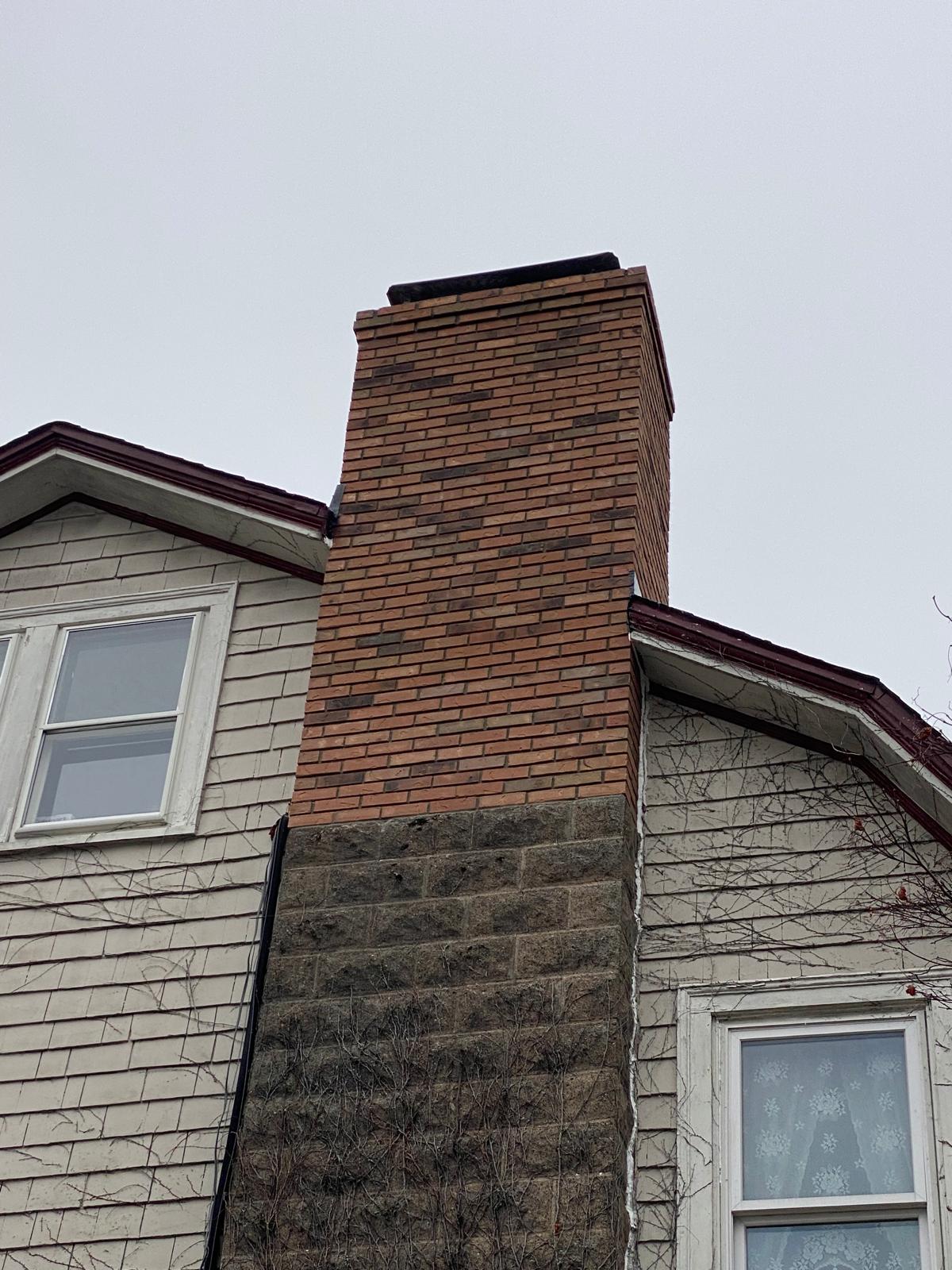
You see your chimney every day from the driveway, but what happens behind those bricks could be putting your family at risk. In historic New Jersey neighborhoods, decades of humid summers and winter freeze-thaw cycles quietly destroy masonry from the inside. According to residential building experts, this hidden decay compromises your chimney liner—the protective sleeve acting like a straw inside the brick column.
This inner pathway, known as the flue, performs a critical job. It manages the draft, which is the heat-driven upward airflow that pulls dangerous exhaust safely outside. When old clay tiles crack, the system loses its seal, allowing carbon monoxide to leak indoors instead of venting through the roof. Routine safety inspections frequently reveal these dangerous breaches before homeowners notice anything wrong.
Modernizing your system stops this deterioration completely. A stainless steel upgrade creates a seamless exhaust path that protects your masonry while offering significant cost-saving benefits through improved heating efficiency. By choosing Deluxe Construction NJ for the chimney liner installation New Jersey homeowners trust, you secure lasting peace of mind. We specialize in chimney liner installation New Jersey projects and provide chimney installation services designed for durable, stainless steel protection from a trusted chimney liner NJ partner.

Why Your Chimney Liner is the “Straw” That Saves Your Home
Think of your chimney liner as a protective sleeve hidden inside the brickwork—like a plastic straw inside a heavy glass. When you learn how a chimney works, you realize this sleeve is the critical piece directing exhaust from your furnace or fireplace safely outdoors.
Bare masonry simply cannot handle modern heating demands on its own. When gas appliances burn fuel, they create highly acidic condensation that clings to the inside of your flue, slowly eating away at the brick and causing dangerous mortar corrosion.
Properly sized liners prevent this damage by keeping exhaust gases hot so they rise quickly and exit your home efficiently. Without this airtight seal, exhaust cools too fast and sinks back into your living room, ultimately leading to expensive chimney repairs in NJ or emergency chimney liner services. Catching this invisible deterioration early is the best way to protect both your family and your property value.
5 Warning Signs Your NJ Chimney Liner is Failing
Spotting a deteriorating flue rarely requires a ladder. You can easily perform a five-minute DIY visual inspection right from your living room by carefully checking the firebox and the chimney base. Knowing how to tell if a chimney liner is damaged starts with separating normal, superficial wear from a genuine structural emergency.
Armed with a flashlight, look for these five clear indicators of failure:
- Spalling (Crumbled debris): Finding reddish clay shards on the firebox floor means freezing moisture has cracked your tiles.
- Efflorescence (White staining): Chalky powder on your exterior bricks shows that acidic moisture is escaping the liner.
- Creosote: Thick, tar-like glazing inside the flue indicates poor airflow and creates a severe fire hazard.
- Odors: Recognizing the smell of dangerous exhaust backdrafting or musty fireplace odors points to a breached seal.
- Drafting issues: Smoke billowing indoors means exhaust gases aren’t staying hot enough to rise out of the house.
While slightly dirty bricks might just be cosmetic, these physical signs of a cracked chimney flue mean toxic gases could easily enter your living spaces. Ignoring them often necessitates emergency NJ chimney repair or costly chimney repair NJ when winter arrives.
Stainless Steel vs. Clay Tile: Making the Right Choice for the Garden State
Faced with a damaged flue, you must navigate the debate of stainless steel vs clay tile chimney liners . While builders once defaulted to inexpensive clay, the long-term ROI strongly favors steel. Factoring in complex labor, the upfront chimney installation cost for a metal retrofit rivals basic masonry repair, but the performance differences are stark:
- Life Expectancy: Clay predictably declines after 15 years; steel delivers a 50-year lifespan.
- Installation Speed: Metal sleeves install in hours; rebuilding clay takes days.
- Fuel Compatibility: Clay handles basic wood fires; modern heating requires specialized metal.
When upgrading to a high-efficiency gas furnace, this material shift becomes mandatory. Modern systems produce cooler exhaust that creates highly acidic condensation inside the flue. Without protection, this acid eats through clay mortar like tooth decay. To meet these stringent fuel-specific venting requirements, experts install 316L Grade Stainless liners. This unique alloy actively resists chemical corrosion, ensuring toxic moisture stays safely contained rather than bleeding into your walls.
People constantly ask how long do stainless steel chimney liners last, and that half-century durability essentially guarantees a permanent fix. Upgrading to 316L metal stops structural decay while efficiently handling modern fuels. However, picking the right material is only the first step; ensuring your installation is legally compliant is equally critical.
Navigating New Jersey Building Codes and Safety Standards
Upgrading your venting system requires strictly following New Jersey building codes for flue relining. Under the state’s Uniform Construction Code (NJ UCC Subchapter 12), altering your chimney demands a municipal permit before work begins. Bypassing township approval risks significant headaches, ranging from immediately voided homeowner’s insurance policies to delayed closings when you eventually try to sell the property.
To pass mandatory chimney liner safety inspections for NJ homeowners, the installed materials must meet strict testing benchmarks. Local inspectors specifically look for UL listed chimney liner specifications, such as the widely recognized UL 1777 standard. This critical safety certification proves the new metal sleeve can safely contain a severe chimney fire without transferring lethal heat through the masonry to your home’s wooden framing, satisfying both municipal codes and insurance carrier guidelines.
Because local regulations dictate exact sizing algorithms and strict insulation protocols, unpermitted DIY attempts usually end in costly code violations. Hiring certified specialists removes this regulatory guesswork entirely, ensuring your home stays fully compliant and thoroughly protected.
The Professional Installation Path: What to Expect from Deluxe Construction NJ
Knowing the code requirements is one thing, but watching a professional crew actually install chimney liner systems brings the process to life. Once safety gear is secured for roof access, technicians begin by thoroughly sweeping the interior masonry to remove old soot and debris, creating a clean pathway for the new materials.
While severely deteriorated structures occasionally require a poured cast-in-place chimney liner process, most modern upgrades utilize the highly efficient “pull-through” method. A standard installation timeline follows these specific steps:
- Insulation Wrapping: The crew wraps the metal tube in a specialized insulation blanket. This crucial layer keeps exhaust gases hot so they quickly draft upward, preventing acidic condensation from cooling and pooling.
- The Pull-Through: One technician drops a durable flexible chimney liner for wood stove or boiler applications down from the top, while a second guides it safely to the basement appliance.
- Top-Plate Sealing: The crown gets a weatherproof seal to lock out moisture and pests.
Before packing up, the technicians perform a definitive “smoke test,” sending harmless vapor up the flue to visually prove there are zero leaks into your living space. With your family’s safety fully secured, the final consideration involves the project’s budget. Our chimney liner services are delivered by certified specialists from Deluxe Construction NJ.

Breaking Down the Cost of Chimney Relining in NJ
Understanding the average cost of chimney relining in NJ starts with your home’s specific architecture. A standard single-story Ranch demands significantly fewer materials than a sprawling two-story Colonial. Base pricing is also heavily driven by precise sizing calculations, where technicians determine the exact flue diameter needed to safely vent your specific furnace or fireplace without restricting the hot airflow.
If you’re comparing chimney liner installation cost New Jersey stainless steel estimates, understand that quotes vary with material grade and insulation approach. Beyond materials, the final chimney liner installation costs that New Jersey stainless steel projects require depend on three regional labor factors: tight structural access, steep roof pitches, and offset complexity. Navigating an older masonry structure that bends around interior framing instead of dropping straight down demands specialized expertise. While DIY kits seem cheaper upfront, avoiding deadly carbon monoxide leaks makes professional chimney installation services the safest long-term financial investment. Choosing the right team today helps you avoid expensive NJ chimney repair later.
From Concern to Confidence: Your NJ Chimney Action Plan
What hides behind your masonry directly impacts your home’s safety. Instead of guessing about aging clay tiles, you can confidently take control of your exhaust system. Start with this straightforward path:
- Schedule an inspection with Deluxe Construction NJ.
- Review liner options for your specific heating appliance.
- Verify permits with your local New Jersey township.
- Enjoy a safe winter knowing everything is vented properly.
Preventing carbon monoxide leaks with flue liners does more than protect your family—it fundamentally upgrades your property. When you eventually list your house, a professional chimney liner installation that New Jersey buyers trust becomes a powerful selling point that sails through home inspections. You are no longer just patching old brick; you are investing in a safe, valuable, and fully optimized home.
Q&A
Question: What does a chimney liner actually do, and why is it essential for my home?
Short answer: The liner is the sealed inner pathway (the flue) that manages draft—the heat-driven upward airflow that carries exhaust outdoors. Without a proper liner, acidic condensation from modern gas appliances corrodes bare masonry, cracked clay tiles leak carbon monoxide indoors, and cooled exhaust stalls and sinks back into living spaces. A properly sized, airtight liner keeps gases hot so they rise efficiently, protects your masonry from chemical damage, improves heating efficiency, and safeguards your family from toxic leaks.
Question: How can I tell if my NJ chimney liner is failing?
Short answer: Do a quick flashlight check at the firebox and chimney base. Five red flags are: spalling (reddish clay shards on the firebox floor), efflorescence (white, chalky staining on exterior brick), thick creosote glazing inside the flue, noticeable exhaust or musty odors, and drafting issues like smoke billowing indoors. While light surface soot can be cosmetic, these signs point to cracked or unsealed flue tiles and potential carbon monoxide intrusion—schedule a professional inspection before winter to avoid emergency repairs.
Question: Why upgrade to 316L stainless steel instead of repairing clay tile, and how long will it last?
Short answer: Stainless steel outperforms clay on every metric that matters in New Jersey’s climate and with modern appliances. Clay often declines after ~15 years and is limited to basic wood fires, while 316L Grade Stainless resists the acidic condensation produced by high-efficiency gas systems, offers broad fuel compatibility, installs in hours (vs. days for clay rebuilds), and delivers about a 50-year lifespan. The result is a seamless, corrosion-resistant vent path that halts structural decay and boosts efficiency—an ROI that effectively makes it a permanent fix.
Question: Do I need permits in New Jersey, and what safety standards must a new liner meet?
Short answer: Yes. Under the NJ Uniform Construction Code (UCC) Subchapter 12, chimney relining requires a municipal permit before work begins. Skipping permits can void homeowners insurance and cause problems during resale. Inspectors look for UL-listed systems—especially compliance with UL 1777—to confirm the liner can contain a severe chimney fire without transferring dangerous heat to framing. Because codes also dictate sizing methods and insulation requirements, DIY installs often trigger violations; hiring certified specialists keeps your home compliant and protected.
Question: What should I expect during a professional installation by Deluxe Construction NJ, and what drives the cost?
Short answer: After securing safe roof access, the crew sweeps the flue to clear soot and debris. Most projects use the pull-through method: insulation wrapping of the liner, guided pull-through from the crown down to the appliance, then top-plate sealing to weatherproof the crown and keep out pests. A final smoke test confirms there are no leaks into living areas. While severely deteriorated chimneys may need a cast-in-place approach, typical stainless installations take hours, not days. Cost depends on home architecture (single vs. two-story), precise flue diameter for your appliance, liner grade and insulation approach, and regional labor factors like tight access, steep roofs, or offsets in older masonry. DIY kits can appear cheaper, but professional installation is the safest long-term investment—preventing carbon monoxide risks and costly code issues while delivering durable, efficient performance.