When it comes to maintaining your home, the roof is one of the most critical components. It protects you from harsh weather conditions and adds value to your property. The roof is your home’s first line of defense against nature’s elements, providing insulation and structural integrity. Whether you’re dealing with a minor leak or considering a complete roof replacement, understanding the basics of roof repair can save you time and money. This guide is tailored for New Jersey residents who want to tackle roof repair projects themselves or are looking to hire the best roofing companies in NJ. By understanding the region-specific challenges, you can make informed decisions that ensure the longevity and durability of your roof.
Before diving into repairs, it’s essential to identify the common roofing issues specific to New Jersey’s climate. The state experiences a range of weather conditions, from hot summers to cold winters, making your roof susceptible to various types of damage. Understanding these unique challenges can help you anticipate problems and address them proactively. Moreover, knowing the typical wear and tear factors in New Jersey can guide you in choosing the right materials and repair strategies to withstand local weather patterns.
Common Roof Issues in New Jersey
- Leaks and Water Damage: Heavy rainfall and snow can lead to roof leaks. Water stains on your ceiling or walls are the most common signs. In New Jersey, the combination of rain, snow, and ice can exacerbate these issues, causing significant water infiltration if not addressed promptly. Regular inspections during the rainy season can help identify and mitigate leaks before they cause extensive damage.
- Shingle Damage: High winds and storms can cause shingles to crack, curl, or go missing. The fluctuating temperatures in New Jersey, from scorching summers to freezing winters, can also cause shingles to expand and contract, leading to further deterioration over time. Investing in high-quality, weather-resistant shingles can mitigate such issues and enhance the longevity of your roof.
- Gutter Issues: Clogged or damaged gutters can lead to water accumulation and roof damage. In New Jersey, the fall season brings a lot of leaf fall, which can easily clog gutters and downspouts. Regularly cleaning and maintaining your gutter system is essential to prevent water from backing up and causing roof or foundation damage.
- Flashing Damage: Damaged flashing around chimneys or skylights can cause leaks. Flashing is crucial for directing water away from roof penetrations, and any failure in its integrity can lead to significant water damage. Regularly checking and maintaining the flashing, especially after storms, can help prevent leaks and prolong the life of your roof.
DIY Roof Repair Basics
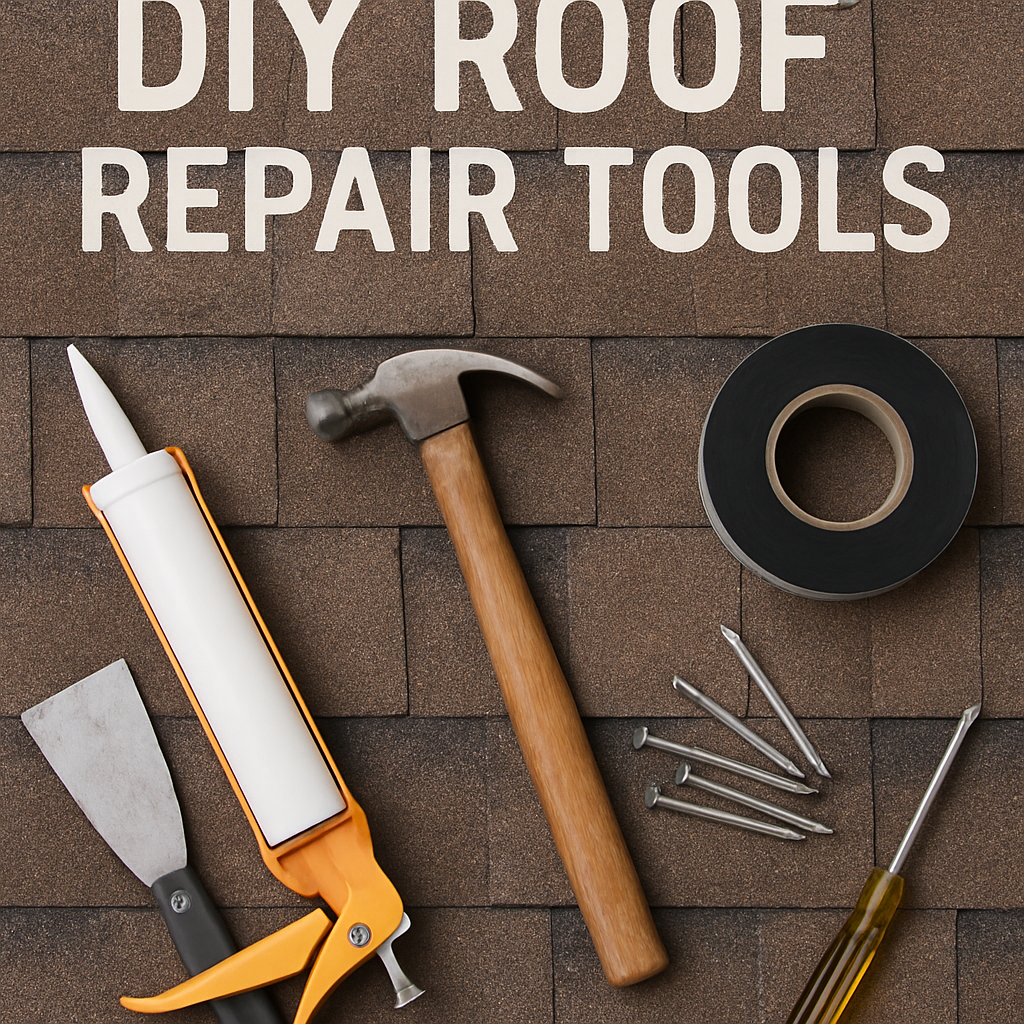 While some roof repairs are straightforward and can be done by a handy homeowner, others might require professional intervention. Knowing the limits of what you can safely and effectively handle is crucial to avoid further damage. Here are the basic DIY repairs you might consider:
Fixing Roof Leaks
- Identify the Leak Source: Begin by inspecting your attic for water stains, mold, or dampness. Tracing the leak back to its source is crucial. Use a flashlight to examine dark corners and hidden spaces where leaks might originate. Finding the exact point of entry will allow you to apply a targeted fix, rather than a temporary patch that might not address the underlying issue.
- Temporary Patching: Use roofing tape or a piece of sheet metal to cover the leak temporarily until a permanent fix can be applied. Temporary measures are crucial during inclement weather when immediate repair isn’t possible. However, remember that these are stop-gap solutions and should be followed up with a comprehensive repair as soon as possible.
- Replace Damaged Shingles: Remove the damaged shingle and slide a new one in place, securing it with roofing nails and sealant. Ensure that the new shingles match the existing ones in color and texture to maintain the aesthetic continuity of your roof. Properly securing them will protect your roof from future wind damage and leaks.
Repairing Shingle Damage
- Curling Shingles: Use roofing cement to reattach curled shingles. Apply a generous amount under the shingle and press down firmly. Ensure the cement is applied evenly to prevent moisture from seeping underneath. This simple repair can prevent further damage and extend the life of your shingles significantly.
- Cracked Shingles: Seal cracks with roofing sealant. Ensure it’s applied evenly to prevent future damage. For larger cracks, consider using a patch of roofing material over the sealant for added protection. This dual-layer approach can provide a more durable and long-lasting repair.
Cleaning Gutters
- Remove Debris: Regularly clean out leaves and debris from gutters to ensure proper drainage. Use a sturdy ladder and wear gloves for protection. Consider installing gutter guards to minimize debris accumulation and reduce the frequency of cleaning required.
- Check for Damage: Inspect gutters for cracks or sagging and repair as needed to prevent water buildup. Properly aligned and intact gutters are crucial for directing water away from your home’s foundation, preventing potential structural issues.
When to Call the Professionals
While DIY repairs can address minor issues, some situations require professional expertise. Knowing when to call New Jersey roofers can save you from expensive repairs down the line. Professional roofers have the experience and tools necessary to diagnose and fix complex issues efficiently.
Signs You Need a Professional
- Extensive Water Damage: If water damage is widespread, it’s best to contact roofing contractors in New Jersey to assess the situation. Professional intervention ensures a thorough evaluation and repair, preventing future leaks and structural issues.
- Structural Damage: Sagging or bowing roofs indicate severe structural issues that need professional attention. These problems can compromise the safety of your home and require immediate expert evaluation and repair to prevent further damage.
- Repeated Repairs: If you find yourself repeatedly repairing the same issue, it might be time for a professional evaluation. Persistent problems often indicate underlying issues that DIY repairs can’t address, necessitating a comprehensive professional solution.
Choosing the Best Roofing Company in New Jersey

Selecting the right roofing company can be daunting with so many options available. A reliable contractor can make a significant difference in the quality and longevity of your roof repairs. Here are some tips to help you choose the best roofing companies in NJ:
Research and Recommendations
- Get Recommendations: Ask friends, family, and neighbors for recommendations based on their experiences. Personal referrals can provide insights into the quality of service and reliability of potential contractors.
- Read Reviews: Check online reviews to gauge the reputation of NJ roofing companies. Look for patterns in feedback, such as consistent praise or recurring complaints, to inform your decision.
Verify Credentials
- Licensing and Insurance: Ensure the company is licensed and insured to protect yourself from liability. Proper credentials are essential for confirming the company’s legitimacy and ensuring your protection during the project.
- Experience and Expertise: Look for companies with extensive experience in roof repair and replacement. A seasoned contractor will have a proven track record and the necessary skills to handle your roofing needs effectively.
Request Quotes
- Get Multiple Estimates: Obtain quotes from several roofing contractors in New Jersey to compare services and prices. Detailed estimates allow you to assess the scope of work, materials used, and overall cost-effectiveness.
- Ask Questions: Inquire about the materials, timeline, and warranties offered by the roofing contractor NJ. Understanding these elements helps you make an informed decision and ensures the contractor meets your expectations.
Roof Maintenance Tips
Regular maintenance can extend the life of your roof and prevent costly repairs. Consistent care not only preserves the roof’s integrity but also enhances your home’s overall value and curb appeal. Here are some tips to keep your roof in top condition:
Seasonal Inspections
- Spring and Fall Checks: Inspect your roof at least twice a year to catch any issues early. Regular inspections help identify minor issues before they escalate into significant problems, saving you money in the long run.
- After Storms: Check for damage after severe weather to address problems promptly. Storms can cause immediate and noticeable damage, making a post-storm inspection crucial for timely repairs.
Regular Cleaning
- Remove Debris: Keep your roof clear of leaves, branches, and other debris. Accumulated debris can trap moisture and lead to mold growth, which can damage your roof over time.
- Moss and Algae Removal: Use a gentle cleaner to remove moss and algae, which can damage shingles. Regular cleaning prevents these organisms from taking hold and protects your roof’s structural integrity.
Professional Maintenance
- Schedule Regular Inspections: Hire a roofing company for annual inspections to ensure your roof remains in good condition. Professional inspections provide a thorough assessment and can identify issues that might be missed during routine checks.
Conclusion
Whether you’re a DIY enthusiast or prefer leaving it to the experts, understanding the basics of roof repair and maintenance is crucial for New Jersey residents. By identifying potential issues early and choosing the right NJ roofers, you can ensure your home remains safe and secure. Regular maintenance and timely repairs are essential for prolonging your roof’s lifespan and maintaining your property’s value. Remember, when in doubt, calling in the best roofing company in New Jersey can save you time, stress, and money in the long run. With the right approach, your roof can withstand the test of time and weather, keeping your home protected for years to come. Prioritizing your roof’s health ensures a safe and comfortable living environment for you and your family.