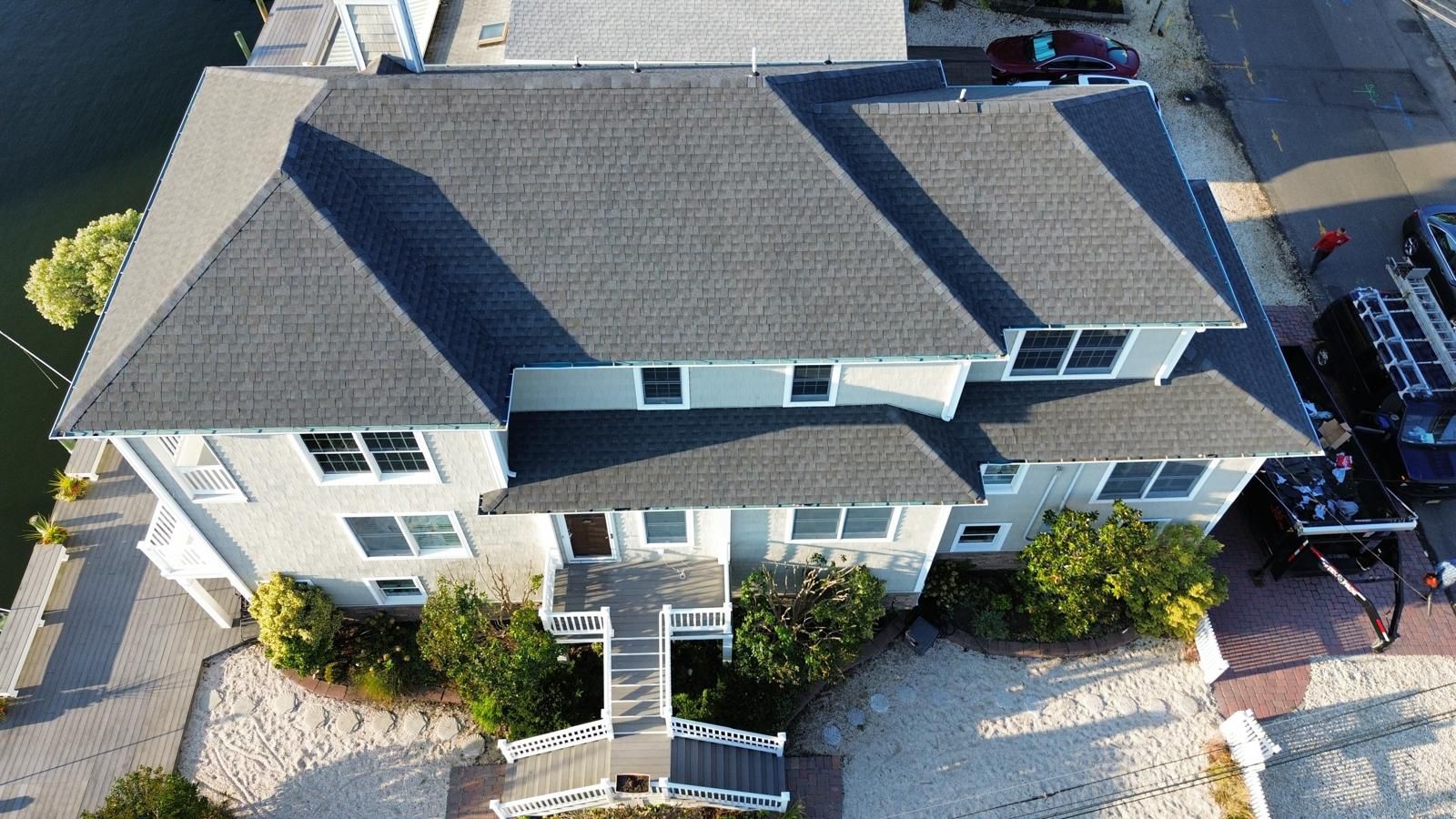
DELUXE CONSTRUCTION NJ LLC is a licensed exterior construction and roofing contractor based in Ridgefield Park, New Jersey. As a full-service exterior specialist, the company specializes in comprehensive home improvement services for residential and commercial clients across the region, including roofing, siding, gutters, chimney work, masonry, and concrete services. For property owners comparing flat roof solutions, liquid applied roofing can be a practical way to restore waterproofing performance without jumping straight to a full tear-off. Liquid roofing systems in New Jersey are especially relevant because flat and low-slope roofs face heavy rain, summer heat, winter freeze-thaw cycles, rooftop equipment, and constant drainage demands. The right system can help extend roof life, reduce leak risk, and protect the building envelope, but only when the existing roof is a good candidate and the installation is handled correctly. What are liquid roofing systems? Liquid roofing systems are seamless waterproofing systems applied in fluid form and cured directly on the roof surface. Unlike loose sheets, rolls, or panels, liquid applied roofing conforms to the roof’s shape, wrapping around drains, curbs, penetrations, seams, and flashing transitions where many leaks begin. A true liquid roofing system is more than a quick coating. It may include cleaning, repairs, primer, reinforced fabric or fleece, base coats, detail work, and a finish coat designed to create a continuous membrane. When properly specified, it can be used over many existing flat roof materials, including modified bitumen, EPDM, TPO, metal, and other compatible substrates. That difference matters. A basic coating may refresh a roof surface that is already in good condition. A reinforced liquid roofing system is designed to provide more complete waterproofing protection and may be a better option for roofs with aging seams, complex details, or widespread surface wear. Why New Jersey flat roofs need the right restoration strategy Flat roofs in New Jersey work hard. Rainwater must drain efficiently, snow and ice can linger, and freeze-thaw movement can stress seams, flashing, and older repair areas. In denser towns and commercial corridors, roofs also carry HVAC units, vents, skylights, exhaust equipment, satellite mounts, and other penetrations that increase the number of vulnerable details. This is why choosing between repair, restoration, and replacement should start with a roof evaluation instead of a product preference. If the roof is structurally sound, mostly dry, and still well adhered, liquid applied roofing may offer a cost-conscious restoration path. If the roof has trapped moisture, failing insulation, severe ponding, or widespread membrane failure, restoration alone may only cover the symptoms. For residential and commercial roofing NJ projects, the best results usually come from pairing material knowledge with local field experience. New Jersey roofing conditions are not identical from one building to the next, so drainage patterns, shade, rooftop traffic, and existing materials all deserve attention. Common liquid roof materials and where they fit Different liquid roof products perform differently. The right choice depends on the roof’s condition, slope, drainage, use, and exposure. Silicone systems Silicone is often considered for flat roofs that experience frequent wet conditions or areas of ponding water. It offers strong UV resistance and remains flexible, which can help in exposed rooftop environments. However, silicone can attract dirt over time, may become slippery when wet, and needs careful surface preparation for proper adhesion. Acrylic coatings Acrylic systems are water-based, reflective, and often economical. They can be a useful option for roofs with good drainage and limited ponding. In colder or wetter environments, though, acrylic may not be the best fit for areas where water sits for long periods, so roof slope and drain performance should be reviewed carefully. PMMA systems PMMA liquid roofing systems cure quickly and are often used where durability, detail work, and faster return to service are priorities. Many PMMA assemblies are reinforced with fleece, helping them perform around complex penetrations and transitions. They can be a strong fit for demanding roofs, but they require trained application and careful planning. Polyurethane systems Polyurethane coatings are known for toughness and flexibility. Some systems are suitable for roofs with foot traffic, rooftop equipment access, or challenging weather exposure. A common approach uses different polyurethane layers for base waterproofing and UV-stable top protection. Spray polyurethane foam Spray polyurethane foam can provide insulation and waterproofing as part of a roof assembly. It can improve thermal performance while creating a monolithic surface, but it requires specialized equipment, correct weather conditions, and skilled installation. It is not the right answer for every roof, especially where detailing, overspray control, or budget limitations are concerns. Liquid roofing versus coating, repair, or replacement A quick patch may solve an isolated leak, and a full replacement may be necessary when the roof has reached the end of its service life. Liquid roofing sits between those options when the existing roof still has enough integrity to restore. Use this simple decision framework before choosing a path: This is where experienced nj roofing services become important. A contractor should look beyond the visible surface and check seams, drains, flashing, insulation condition, previous repairs, and substrate compatibility before recommending any restoration system. How do you know if your flat roof is a good candidate? A flat roof may be a good candidate for liquid roofing if the existing membrane is firmly attached, the insulation is dry, the deck is sound, and drainage issues can be corrected before the system is installed. The roof should be cleaned, tested for adhesion where needed, and inspected for trapped moisture, because liquid applied roofing performs best when it is bonded to a stable surface. Property owners should be cautious if leaks have been ignored for a long time. Water beneath the membrane can spread beyond the obvious leak location, and coating over wet insulation can lock in a problem rather than solve it. On larger commercial roofing NJ projects, moisture scans, core cuts, or other diagnostic steps may be recommended before finalizing the scope. A proper evaluation should answer several practical questions: The installation process should be disciplined Liquid roofing is not simply “paint
Commercial Flat Roof Coatings in New Jersey – Types, Costs, Lifespan
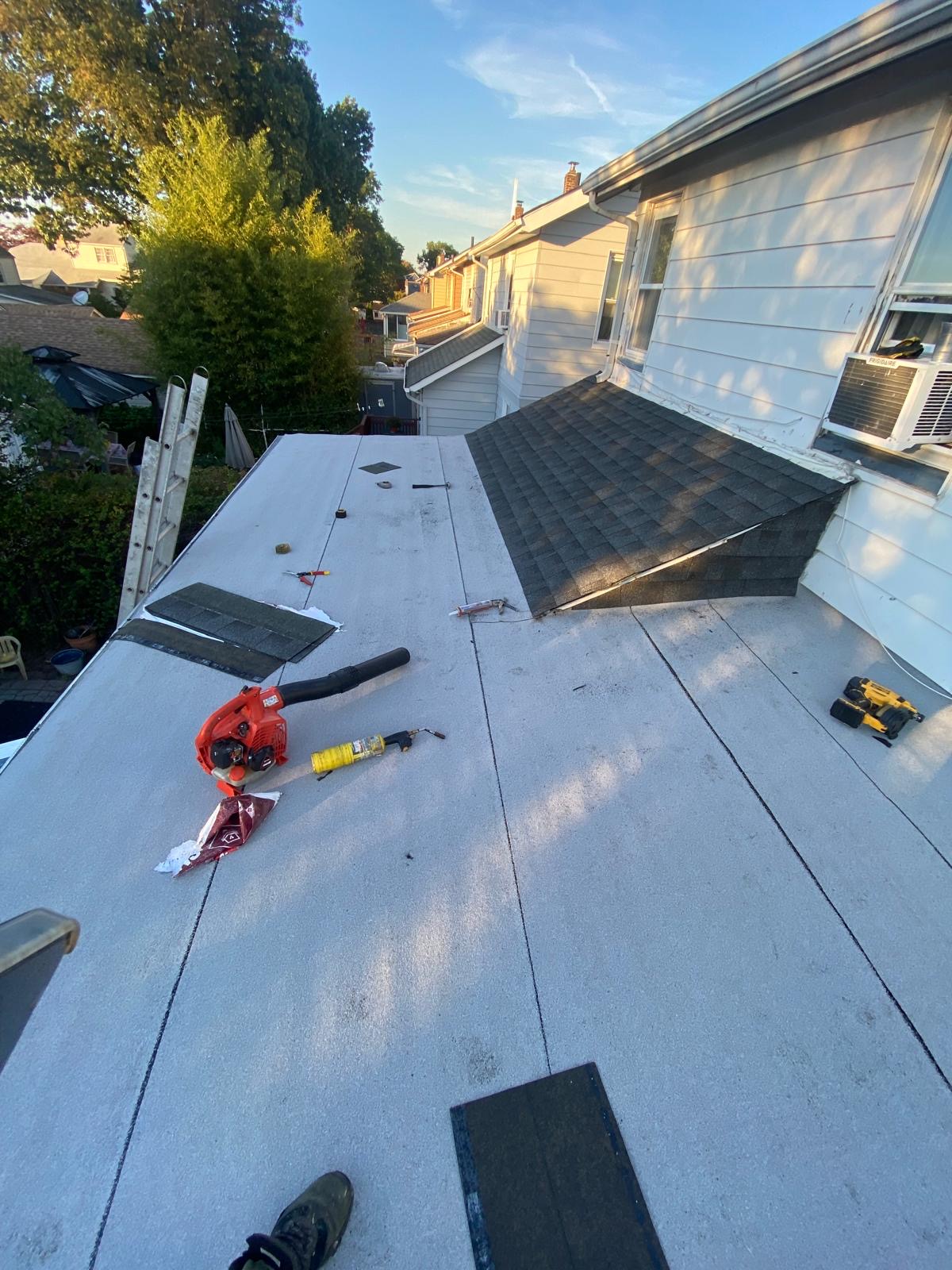
A commercial flat roof coating is a liquid-applied, seamless waterproofing layer that restores an existing roof instead of replacing it. For most New Jersey flat roofs, the right choice comes down to drainage: Coating only works if the roof underneath is still sound. A coating cannot dry out saturated insulation or fix a failed deck. That makes the inspection the most important step, not the product. This guide covers each coating type, how to match one to your roof, what it costs, how long it lasts, and the point where replacement becomes the better investment. Quick Answers Question Short answer Best coating for a commercial flat roof? Depends on drainage and substrate. Silicone for ponding, acrylic for well-draining roofs, polyurethane for traffic and abrasion. How long does it last? Roughly 10–20 years depending on chemistry, thickness, and roof condition. Warranty length typically tracks the dry film thickness applied. Cheaper than replacement? Usually, when the roof is dry and structurally sound. Can you coat over an existing roof? Yes, over most membranes and metal, after cleaning, repairs and a compatibility test. Does it stop leaks? It seals seams, fasteners and minor splits. It does not fix wet insulation or deck damage. What Commercial Roof Coatings Do (and Don’t Do) A coating forms a continuous, elastic film over the existing roof surface. It does three jobs: A coating is not a structural repair, a replacement for failed insulation, or a fix for a roof with a drainage design problem. Treat it as a restoration system for a roof with good bones. Is Your Roof a Candidate? The Four Checks Before comparing products, a roofer should confirm these: 1. Is the insulation dry?This is the make-or-break question. Trapped moisture beneath a coating can’t escape and leads to blistering and further deterioration. Moisture surveys (infrared, nuclear or capacitance scanning, or core samples) identify wet areas. Wet sections get cut out and replaced before coating. 2. How does the roof drain?Look for ponding that remains 48 hours after rain. Acrylic coatings are generally not designed for standing water. For example, Sika’s acrylic product data sheet says its system isn’t intended for ponding-water applications and that roofs prone to ponding should be resloped. GAF’s Unisil silicone data sheet, by contrast, describes protection against leaks from ponding water across a range of substrates. 3. What is the substrate?TPO, EPDM, PVC, modified bitumen, built-up roofing (BUR), metal and spray polyurethane foam (SPF) all accept coatings, but each needs its own cleaning method, primer and compatibility test. 4. How much life is left?If the membrane is brittle, widely split, or has multiple failed repair areas, coating is a short-lived patch. Commercial Roof Coating Types Compared Silicone Acrylic (elastomeric) Polyurethane Handles ponding water Yes No, re-emulsifies under standing water Tolerates incidental ponding only UV resistance Excellent Good, erodes faster Good (aliphatic types resist UV best) Reflectivity High (white) High (white) Varies by formulation Foot traffic / abrasion Moderate Moderate Strong Application conditions Moisture-cure, tolerant of humidity Needs dry weather to cure Moisture-cure, sensitive to application conditions Relative cost Mid to high Lowest Mid to high Best for Dead-flat, ponding, single-ply restoration Draining roofs, tight budgets, cool-roof goals Walkable roofs, equipment areas, hail or abrasion risk Cost and performance notes are general industry characteristics. Specific products vary by manufacturer data sheet. Silicone Roof Coatings Silicone keeps its film under standing water, which is why it’s the default for roofs with chronic low spots. It also holds up well against UV. The tradeoff is dirt pickup (silicone surfaces attract dust) and the fact that almost nothing bonds well to a cured silicone surface later, so choosing it is a long-term commitment. Only silicone should be recoated onto silicone. Acrylic Roof Coatings Acrylic is the economical choice for roofs that slope to drains. It’s water-based, easy to apply, highly reflective in white, and widely used for commercial roof coating restoration on metal, BUR and modified bitumen. Its weakness is ponding. Standing water softens it, and failures show up in the same low spots. Polyurethane Roof Coatings Polyurethane is tougher than the other two against impact and abrasion, so it’s used where there’s regular rooftop traffic, such as HVAC service paths, or where hail is a concern. It’s usually applied as a base coat with a UV-stable topcoat. Matching the Coating to the Roof Existing roof Typical coating approach Metal Acrylic or silicone, after rust treatment, fastener sealing and seam work TPO / PVC Usually silicone or a manufacturer-approved system after thorough cleaning (TPO is hard to bond to) EPDM Primer plus acrylic or silicone, depending on drainage Modified bitumen / BUR Acrylic, with ponding areas addressed or silicone used instead SPF (spray foam) Silicone or acrylic, applied in full-thickness layers; foam provides insulation while the coating provides the weather layer A TPO roof coating or EPDM roof coating project always starts with a bond test on the actual roof. Skipping that test is a leading cause of peeling. NJ Conditions That Affect Coating Choice New Jersey’s weather is hard on flat roofs, and it shapes how coatings should be specified and scheduled. This section reflects professional judgement rather than a published study. How Much Do Commercial Flat Roof Coatings Cost? Costs vary widely by region, roof access, prep and chemistry. As a planning range only, many contractors quote coating systems at roughly $1.50 to $5.00 per square foot installed. Acrylic sits at the lower end and silicone or high-build systems at the upper end. Full membrane replacement is commonly several times that figure. What moves the price: Is it cheaper than replacement? Usually yes, often by a large margin, but only on a roof that qualifies. If a significant share of the insulation is wet, coating isn’t the cheaper path. It’s the more expensive one, because you pay for the coating and then for the replacement. EXPERT INPUT OPPORTUNITY: Replace the planning range above with Deluxe Construction NJ’s actual typical ranges, or publish a sample “how we estimate” breakdown. Real local pricing
How Much Does It Cost to Put a Shingle Roof on a 2,000 Sq Ft House?
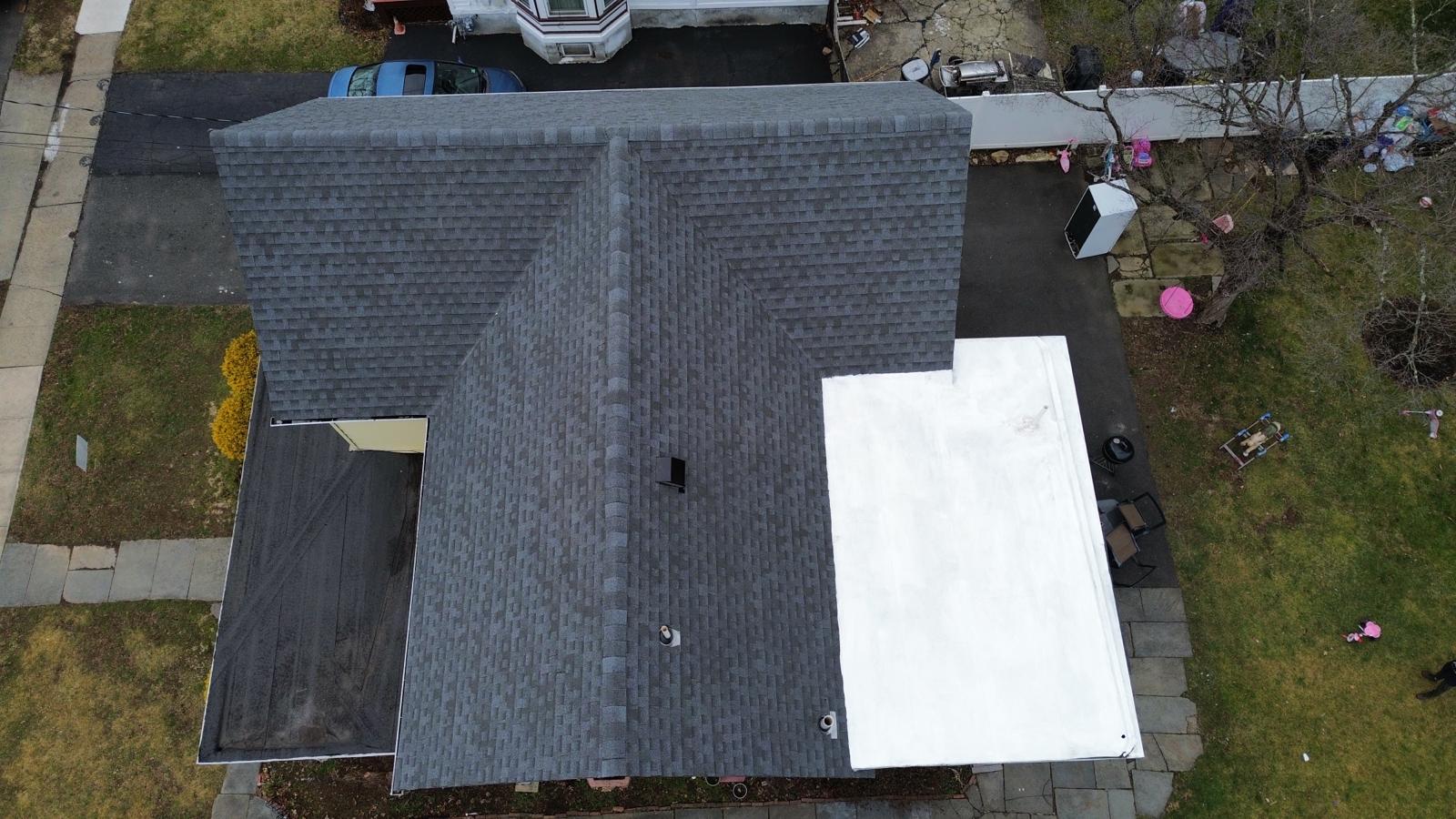
In New Jersey in 2026, putting an architectural asphalt shingle roof on a 2,000 sq ft house costs between $9,000 and $18,000 installed, including tear-off, disposal, and permit. Most homeowners land between $12,000 and $16,000. That range is unhelpfully wide, and there’s a specific reason for it that almost nobody explains: “a 2,000 sq ft house” describes two completely different roofing jobs. Same “2,000 sq ft house.” Roughly double the cost. If you’ve been comparing online estimates and getting numbers that don’t agree, this is usually why — some sources are pricing floor area, some are pricing roof area, and they rarely say which. Here’s how to work out which number applies to your house, what’s actually inside a New Jersey roofing quote, and what the line items should cost. Roof Area Is Not House Area: How to Calculate Yours Roofers price by the square. One roofing square = 100 sq ft of roof surface. Your roof surface is always larger than your ground footprint, because a sloped roof is a hypotenuse, not a flat plane — plus overhangs. Five steps to your own estimate 1. Get your ground-floor footprint, not your living area. Measure the outside of the house at ground level: length × width. A two-storey home’s footprint is roughly half its listed square footage. This is the single most common mistake homeowners make. 2. Add for overhangs. Standard NJ eaves and rakes overhang 12–18 inches. Add roughly 5–8% to your footprint. 3. Multiply by your pitch factor. Roof pitch Multiplier What it looks like 4/12 1.054 Gentle — many ranches 5/12 1.083 Common suburban 6/12 1.118 The NJ standard 8/12 1.202 Steep — walkable with care 10/12 1.302 Not walkable 12/12 1.414 Requires staging 4. Divide by 100 to get your square count. 5. Multiply by the installed price per square. In New Jersey in 2026, architectural asphalt runs roughly $490–$700 per square installed, depending on shingle grade and roof complexity. Worked example A 40 ft × 50 ft ranch at 6/12 pitch: Now the same 2,000 sq ft as a two-storey Colonial: 1,000 sq ft footprint → ~1,190 sq ft of roof → 12 squares → roughly $6,600–$8,400. Professional judgement: Use this to sanity-check quotes, not to replace them. Our field measurement on a real roof frequently differs from a homeowner’s estimate by 10–15%, because dormers, hips, bump-outs and valleys add surface that a length-times-width calculation misses entirely. What’s Actually Included in a Shingle Roof Replacement A complete New Jersey shingle replacement is not “shingles plus labour.” A quote that omits any of the following is not cheaper — it’s incomplete. Component What it does Tear-off & disposal Strip existing layer(s) to bare deck, haul to a transfer station Deck inspection & repair Replace any rotted or delaminated sheathing found Ice barrier Self-adhering membrane at eaves and valleys — required by NJ code in most of the state Underlayment Synthetic or felt across the remaining field Drip edge Metal at eaves and rakes, directing water into the gutter Starter strip Sealed first course — the actual wind-resistance anchor at the edge Architectural shingles The visible covering Valley treatment Metal or woven, depending on the detail Step & counterflashing At walls, chimneys, dormers Pipe boots New rubber or lead boots at every vent penetration Ridge cap & ridge vent Purpose-made cap shingles plus exhaust ventilation Permit & inspection Required in virtually every NJ municipality Cleanup Magnetic nail sweep, gutter clearing, site restoration Two line items to check specifically in every quote you receive: The ice barrier. The New Jersey edition of the International Residential Code (R905.1.2) requires an ice barrier extending from the eave edge to a point at least 24 inches inside the exterior wall line, in areas where the average January temperature is 25°F or less — which covers most of northern and central NJ. On a low-pitch roof or a deep overhang, that means more than one course. A single 3-foot roll at the edge does not automatically comply. The flashing. If a quote says “reuse existing flashing,” that’s a cost saving of maybe $300 that buys you a chimney leak in two winters. Step flashing is cheap; the ceiling repair it prevents is not. New Jersey Shingle Roof Cost by Grade Grade Typical NJ installed cost/square 12 squares (Colonial) 24 squares (ranch) 3-tab (budget) $380–$460 $4,600–$5,500 $9,100–$11,000 Architectural (standard) $490–$560 $5,900–$6,700 $11,800–$13,400 Premium architectural (enhanced wind) $550–$630 $6,600–$7,600 $13,200–$15,100 Class 4 impact-resistant $640–$740 $7,700–$8,900 $15,400–$17,800 Ranges reflect 2026 New Jersey market pricing for a standard 6/12 pitch with single-layer tear-off. Steep pitch, multiple existing layers, complex geometry or deck repair increase the total. Is 3-tab worth the saving? Usually not. Labour and tear-off costs are nearly identical between 3-tab and architectural — you’re only paying the material difference, typically $1,500–$2,500 on a full roof. In exchange you get roughly a decade more service life and meaningfully better wind performance. On a wind-driven-rain coast like New Jersey’s, that’s the easiest upgrade decision in the whole project. Class 4 impact-resistant shingles are worth pricing out if you’re in a hail-exposed pocket or under heavy tree cover — some insurers offer premium discounts that recover part of the upgrade over the life of the roof. Ask your carrier before you decide, not after. The Costs That Show Up Mid-Project These are the line items that turn a $13,000 quote into a $16,000 invoice. A good contractor prices them as clearly identified allowances or change orders up front. Item Typical NJ cost Rotted decking replacement $70–$125 per 4×8 sheet installed Second layer tear-off $1,000–$3,000 Permit & municipal inspection $200–$600 (North Jersey trends higher) Dumpster / disposal $350–$700 Chimney or skylight reflashing $250–$500 per penetration Ventilation upgrade (ridge vent + intake) $300–$600 Chimney cricket $300–$600 Gutter removal & reinstall $500–$2,000 The decking line is the one that matters. You cannot know how much rotted sheathing is under a roof until the shingles come off. Any contractor who promises zero deck cost on a 50-year-old house is either
What Are the Most Reliable Roofing Materials for Roof Installation?
The most reliable roofing materials for roof installation, ranked by proven service life, are natural slate (75–150+ years), clay and concrete tile (50–100 years), standing seam metal (40–70 years), synthetic composite shingles (40–50 years), and architectural asphalt shingles (20–30 years). For flat and low-slope sections, EPDM rubber and TPO membrane are the reliable choices, with EPDM holding the longest documented field record. For most New Jersey homes, the honest answer is narrower than that list. Slate and tile are magnificent and almost never appropriate for a typical NJ frame house without structural work. The realistic reliability decision here comes down to three options: architectural asphalt shingles with the right ratings, standing seam metal, or synthetic slate — plus a membrane for any flat section. And here is the part most articles skip: the material is not what fails. In 20+ years of exterior work across Bergen, Passaic, Morris and Monmouth counties, the roofs we tear off early almost never failed because someone picked the wrong shingle. They failed at the eave, the valley, the chimney, or in the attic. Material choice sets the ceiling on how long your roof can last. Installation and ventilation decide whether you ever reach it. Reliability Is a System Property, Not a Shingle Property A roof is an assembly. When any one layer is wrong, the rated lifespan of the covering becomes irrelevant. The assembly that has to be right: Field observation: Nail placement is the single most common quality failure we find on premature shingle blow-offs. A shingle nailed above the reinforced nailing strip has essentially no wind rating, no matter what the wrapper says. It will hold fine — until the first 55 mph nor’easter gust. What New Jersey Weather Actually Does to a Roof New Jersey is a genuinely hard climate for roofing, and it is hard in more than one direction at once. Freeze-thaw cycling. Northern NJ runs through dozens of freeze-thaw cycles each winter. Water gets into a hairline crack in a mortar crown or under a lifted shingle tab, freezes, expands, and widens the gap. Next cycle, it goes deeper. This is why chimney crowns and masonry parapets fail here faster than the roof field does, and why chimney repair is so often bundled into a roof replacement. Ice damming. Warm air escapes a poorly ventilated attic, melts snow mid-slope, and the meltwater refreezes at the cold overhang. The dam backs water uphill, under the shingles. Shingles shed water; they do not hold back standing water. Only an ice barrier does. Nor’easters and wind-driven rain. Sustained wind with rain driven sideways is the NJ signature event, not the single hurricane. Wind-driven rain exploits ridge caps, hip laps and headwall flashing. Heavy wet snow. Coastal-influenced snow here is dense. Snow load matters for low-slope sections and for anyone considering tile or slate. Salt exposure at the shore. On barrier island and near-shore work — our Broad Ave, Mantoloking (08738) roof installation is a good example — salt aerosol attacks fasteners and unprotected metal. Coastal jobs need stainless or properly coated fasteners and aluminum rather than bare steel accessories. Inland Bergen County jobs do not. The code language that matters in NJ The New Jersey edition of the International Residential Code (Section R905.1.2) requires an ice barrier for asphalt shingles, metal roof shingles, mineral-surfaced roll roofing, slate and slate-type shingles, and wood shingles and shakes in areas where the average daily January temperature is 25°F or less. The barrier must be at least two cemented layers of underlayment or a self-adhering polymer-modified bitumen sheet, extending from the eave edge to a point at least 24 inches inside the exterior wall line. Two practical consequences homeowners rarely hear: The Most Reliable Roofing Materials, Ranked 1. Natural Slate — 75 to 150+ years Quarried stone, installed one tile at a time. Nothing else on the market has slate’s track record; functioning slate roofs on 19th-century NJ housing stock are not rare. 2. Clay and Concrete Tile — 50 to 100 years Clay tile is fired, essentially colourfast, and the longer-lived of the two. Concrete tile is cheaper and heavier, and can absorb more moisture — which in a freeze-thaw climate matters. If you go tile in New Jersey, specify a tile rated for severe weathering exposure, not a Sun Belt product. 3. Standing Seam Metal — 40 to 70 years For most New Jersey homeowners who want a genuinely long-life roof without structural work, this is the top realistic answer. 4. Synthetic / Composite Shingles — 40 to 50 years Engineered polymer or recycled-rubber shingles moulded to look like slate or cedar shake. The most underrated option in this market. 5. Architectural Asphalt Shingles — 20 to 30 years The most-installed residential covering in America, and the right answer for the majority of NJ homes — provided you buy on ratings, not on marketing. Three numbers should appear on the spec sheet: Standard What it tests Look for ASTM D7158 Wind uplift resistance Class H (the highest class; Class D and G are lower tiers) UL 2218 Hail/impact resistance Class 4 (highest of four classes) UL 790 / ASTM E108 Fire Class A Architectural vs 3-tab. Architectural (laminated, dimensional) shingles are multi-layer, heavier, stiffer, and carry a stronger sealant bond. 3-tab shingles are single-layer with cut-out tabs. In a wind-driven-rain climate, 3-tab is a false economy: you save a few thousand dollars on a roof that realistically returns 15–18 years instead of 25–30, and you’ll pay for the second tear-off. Professional judgement, not a fact claim: We won’t install 3-tab on a full replacement in northern NJ unless a homeowner insists and understands the trade-off. The labour cost is nearly identical; only the material is cheaper. The math almost never works. Deluxe Construction NJ is a GAF-certified contractor and also installs CertainTeed, Johns Manville, TAMKO and Rubber Cover systems — which means we are not locked into recommending a single manufacturer’s product regardless of the roof in front of us. 6. Flat
Should You Get a Second Opinion on Your Roof Installation
A roof is one of the biggest protective systems on any home or commercial property, so uncertainty around a quote, inspection, or completed installation deserves attention. A second opinion can help you understand whether you need a repair, partial replacement, or full Roof Installation before you commit to major work. For property owners in New Jersey, Deluxe Construction NJ LLC, a fully licensed and insured roofing company located at 117 5th St, Ridgefield Park, NJ 07660, offers free inspections and free estimates for all projects, including residential and commercial roof installations. When should you get a second opinion on your roof? You should get a second opinion on your roof when the diagnosis feels unclear, the price seems unusually high or unusually low, the contractor is pressuring you to decide quickly, or you are being told you need a full replacement without a clear explanation. Second opinion roofing is not about distrusting every contractor; it is about protecting your property, budget, and long-term peace of mind. A roof installation decision can involve thousands of dollars, multiple material choices, ventilation details, flashing work, warranties, and possible decking repairs. If those items are not explained in plain language, you may be comparing guesses instead of real proposals. A second opinion roof installation review gives you another trained perspective before you approve the scope. It is especially useful after a storm, before an insurance claim decision, or when different contractors give you conflicting recommendations. One contractor may see a repairable flashing issue, while another may recommend a complete tear-off. The right answer depends on the roof’s age, condition, leak history, decking, ventilation, drainage, and the quality of the existing installation. A second opinion helps separate repairs from replacement Many homeowners worry that every roofing problem leads to a full replacement. In reality, isolated damage may be solved with a targeted repair or partial replacement, while widespread deterioration usually requires a broader plan. A good contractor should explain the difference instead of jumping straight to the most expensive option. Repairs may make sense when the issue is limited to one area, such as a small leak around a vent pipe, a few missing shingles, damaged flashing, or an isolated section affected by wind. Partial replacement may be appropriate when one slope or roof section has failed faster than the rest because of sun exposure, poor drainage, or previous workmanship problems. Full Roof Installation is usually considered when damage is widespread, materials are near the end of their service life, leaks are recurring, or the roof deck and support systems need more extensive attention. For roof installation New Jersey property owners, this distinction matters because local weather can be hard on roofing systems. Snow, ice, wind-driven rain, humidity, and seasonal temperature swings can reveal weak valleys, poor flashing, inadequate ventilation, or failing underlayment. A second opinion can help determine whether the visible symptom is minor or part of a larger system failure. Warning signs that another inspection is worth it Consider getting another inspection if you notice any of these issues: These signs do not automatically mean the first contractor is wrong. They mean you need more clarity before making a decision. Why do roofing quotes differ so much? Roofing quotes often differ because contractors are not always pricing the same job. One quote may include tear-off, new underlayment, flashing replacement, ventilation upgrades, disposal, and warranty coverage, while another may include only basic shingle replacement. The lowest price is not automatically the best value, and the highest price is not automatically the most complete solution. When comparing proposals, look for the details behind the number. A roof is a layered system, not just visible shingles. The estimate should help you understand what is being removed, what is being installed, what is being reused, and what conditions might change the final scope once the old roof is opened. A clear proposal should identify the roof areas involved, the materials being used, the type of shingles or membrane, flashing work, ventilation work, cleanup, disposal, and any exclusions. It should also explain what happens if damaged decking is discovered. Without those details, you cannot fairly compare one bid to another. For homeowners searching for Roof Installation NJ services, this is where a second opinion can be valuable. Deluxe Construction NJ LLC specializes in residential and commercial roof installations and can review the roof condition independently through free inspections and free estimates for all projects. That gives property owners a clearer baseline before they approve work. Compare scope before comparing price Before choosing a contractor, ask each company to clarify: When these items are written clearly, price differences become easier to understand. You may discover that one contractor is offering a more complete installation, or that another is leaving out important system components. What should a second opinion inspection include? A useful second opinion inspection should evaluate the roof as a complete system, not just confirm or reject the first quote. The contractor should inspect visible materials, flashing, penetrations, drainage paths, ventilation, roof edges, valleys, and signs of water intrusion where accessible. The goal is to explain what is failing, why it is failing, and what choices you realistically have. For the most independent feedback, let the second contractor inspect the roof before showing them the first recommendation. This helps reduce bias. After they share their findings, you can compare both opinions and ask why the conclusions match or differ. A good second opinion should also explain consequences. If you choose repair instead of replacement, how long might that repair reasonably solve the issue? If you delay full installation, what risks should you monitor? If you replace now, which components should be upgraded so the roof performs as intended? Questions to ask during the appointment Use the second opinion to get answers you can act on: The best answers are specific, calm, and easy to understand. If the explanation sounds vague or fear-based, keep asking questions until the scope is clear. Material choices affect the right recommendation Not
How to Hire a Roof Inspector to Check Your Roofer s Work
Hiring a roof inspector is one of the smartest ways to verify that roofing work was completed correctly, especially before final payment, warranty paperwork, a home sale, or an insurance claim. A qualified Roof Inspector gives you a documented, practical view of the roof’s condition so you can separate small punch-list fixes from bigger concerns. For homeowners in New Jersey, Deluxe Construction NJ LLC also provides complimentary, full-service roof inspections alongside estimates, dispatching roof inspectors across Bergen County and northern New Jersey. Why should you hire a roof inspector after roofing work? You should hire a roof inspector after roofing work because a fresh-looking roof is not always the same as a correctly installed roof. Many workmanship issues are easy to miss from the ground, including poor flashing details, uneven shingle placement, exposed fasteners, weak seals around penetrations, or gutter problems that can send water back toward the home. An inspection gives you a clearer basis for asking questions, requesting corrections, or accepting the finished job with confidence. This is especially important if you are dealing with a large project such as a replacement, storm repair, chimney-area repair, skylight repair, or leak correction. Roofing work has to manage water, ventilation, fastening, drainage, and transitions between materials. If one part is rushed or poorly detailed, the problem may not show up until the next heavy rain. A roof inspection guide is also useful when emotions are high. Homeowners often feel caught between trusting the contractor and worrying that something was overlooked. A clear report, photos, and roofing expert advice help turn that uncertainty into a practical next step. A roof inspector and a roofing contractor do different jobs A roofing contractor installs, repairs, and replaces roofs. A roof inspector evaluates the condition, workmanship, and risk points of a roof. Sometimes those roles overlap during an estimate, but the intent is different: one is proposing or performing work, while the other is assessing what is there and documenting what needs attention. If you need a fully independent opinion because of a dispute, a real estate negotiation, or a contested insurance claim, look for an inspector who does not sell or install roofing. That helps reduce conflicts of interest. If you are seeking a practical first look, a leak diagnosis, storm damage review, or replacement estimate, a qualified roofing company inspection can still be useful, as long as you understand that the company may also recommend repair or replacement options. Deluxe Construction NJ LLC’s inspection offering fits that second category. The company provides complimentary, full-service roof inspections alongside regular estimates, which can help homeowners understand visible issues, compare repair paths, and plan next steps before committing to a project. When a professional inspection is worth scheduling A roof inspection is not only for emergencies. It can help you make better decisions before problems become expensive, and it can give you documentation when other parties are involved. Consider scheduling one when: For homeowners in Bergen County and northern New Jersey, Deluxe Construction NJ LLC offers a Free Initial Assessment as a no-cost service for diagnosing active leaks, assessing storm damage, or planning a total replacement. It is available free of charge and can be a useful starting point when you need a local Roof Inspector NJ option connected to a roofing estimate. Which type of roof inspection do you need? The right inspection depends on the decision you are trying to make. If you are checking a roofer’s completed work, you usually want an installation or workmanship-focused inspection. If you are trying to understand damage, lifespan, or a home purchase risk, another type of inspection may be a better fit. Common inspection types include: If your main concern is “Did my roofer do this correctly?” tell the inspector that directly. Ask for photos of any questionable areas, plain-language explanations, and a report that separates cosmetic concerns from functional problems. What a good roofing inspection checklist should include A strong roofing inspection checklist looks beyond the surface. It should consider how water moves, how materials connect, how roof details were finished, and whether any visible conditions create a future leak risk. For checking a roofer’s work, ask the inspector to review: Deluxe Construction NJ LLC includes a Structural Review aspect in its inspection process. The team evaluates roof structural integrity by checking shingles, underlayment condition, flashing seals, chimney alignments, and gutters, then uses those observations to help homeowners understand whether the roof needs focused touch-ups or broader work. Credentials matter, but context matters too Certification is not the only sign of a good inspector, but it helps show that the person has pursued structured training. When comparing inspectors, homeowners often see references to Haag certification or NRCIA certification. Both can be relevant, depending on what you need. Haag certification is commonly associated with roof damage assessment, including storm-related evaluation. That can be useful when hail, wind, or impact damage is part of the question. NRCIA certification is often associated with roof inspection, roof condition documentation, and repair certification processes, which may be helpful in real estate or maintenance planning contexts. Practical tips for choosing Haag certified roof inspector candidates include asking what roof types they inspect, whether they provide photo documentation, how they explain causation, and whether they have experience with your kind of roof. For any certification, ask how it applies to your situation rather than assuming the credential alone answers every question. Roof inspector tips for hiring the right person The best roof inspector for you is the one whose experience, independence level, documentation style, and communication match your situation. A homeowner checking a contractor’s finished work may need a different inspection than a buyer reviewing a 20-year-old roof during attorney review or negotiation. Before hiring, ask these questions: If you are hiring a company that also performs roofing work, ask how it distinguishes inspection findings from sales recommendations. A clear explanation builds trust and helps you compare options fairly. The inspection report is where the value becomes useful A verbal opinion
Red Flags When Getting a Roof Estimate
When you’re planning a roof replacement or major roof repair, the estimate is more than a price on paper. It is the first real test of whether a contractor is organized, transparent, and prepared to protect your home or building. A clear estimate helps you understand what work will be done, which materials will be used, how the property will be protected, and what happens if unexpected issues are found after the old roofing is removed. A rushed or confusing estimate can lead to budget surprises, project delays, warranty issues, and repairs that do not solve the real problem. For homeowners and property managers comparing contractors, knowing the common red flags roof estimate shoppers should watch for can make the difference between a smooth project and an expensive headache. Below are practical roofing estimate tips and key Red Flags When Getting a Roof Estimate to help you evaluate proposals with confidence, especially if you are considering roof replacement in New Jersey, where weather, building conditions, and local property types can all affect the scope of work. Why the Roof Estimate Matters So Much A roof estimate should do more than tell you the total cost. It should explain the project. A dependable contractor uses the estimating process to inspect your roof, understand your concerns, identify visible problems, and recommend the right solution. For example, a simple leak may require targeted roof repair if the rest of the roof is in good condition. On the other hand, widespread shingle deterioration, recurring leaks, soft decking, failing flashing, or poor ventilation may point toward a full replacement. The estimate should make that reasoning clear. A strong roofing estimate usually helps answer questions such as: If an estimate leaves you with more questions than answers, that does not automatically mean the contractor is dishonest. But it does mean you should slow down, ask for clarification, and avoid signing until the details are in writing. Red Flag: The Contractor Gives a Price Without a Real Inspection One of the biggest warning signs is a contractor who gives a firm price without properly inspecting the roof. A quick glance from the driveway is rarely enough to understand the condition of a roofing system. A professional inspection may include checking visible roof surfaces, valleys, flashing, gutters, chimney areas, skylights, roof penetrations, attic ventilation, and signs of water intrusion. Depending on the property, the contractor may also look for sagging areas, damaged decking, aging underlayment, or previous poor repairs. If someone offers an unusually confident quote without asking questions or looking carefully, the estimate may be based on guesswork. Guesswork can lead to change orders later, especially if damaged wood, improper flashing, or ventilation problems are discovered after work begins. A better approach is to work with a contractor who explains what they inspected and why the recommended scope makes sense. Red Flag: The Estimate Is Vague or Only Lists a Lump Sum A vague estimate might say something like “replace roof” followed by a single total price. That is not enough detail for a major exterior project. Your estimate should clearly outline what is included. While every contractor formats proposals differently, you should be able to understand the main components of the job. A complete estimate may include: If the proposal does not specify materials, quantities, roof areas, or installation details, you cannot make a fair comparison with another bid. A lower price may simply mean that important items are missing. Red Flag: The Price Is Much Lower Than Every Other Estimate Everyone wants a fair price. However, an estimate that is dramatically lower than the others should be reviewed carefully. Sometimes the cheapest bid excludes key parts of the project, uses lower-quality materials, skips important preparation steps, or relies on unclear labor practices. A low price can also become more expensive later if the contractor adds charges for items that should have been discussed upfront. For example, disposal, flashing, permits, wood replacement, or gutter protection may not be included. That does not mean the highest estimate is always the best. The goal is not to choose the most expensive contractor. The goal is to understand the value behind the number. Ask what is included, what is excluded, and how unexpected conditions are handled. When comparing roof replacement nj estimates, look for the proposal that gives you the clearest scope, strongest communication, appropriate materials, and a realistic price for the work described. Red Flag: High-Pressure Sales Tactics A roof is a major investment. You should not feel pressured to sign immediately, especially if you still have questions. Be cautious if a contractor says the price is only good “right now,” discourages you from getting other estimates, pushes financing before explaining the work, or insists that your roof is in urgent danger without showing evidence. Emergency roof repair situations do happen, but even then, a reputable contractor should explain the immediate concern and the recommended next step. Pressure tactics can make homeowners rush into agreements they do not fully understand. A reliable contractor gives you room to review the estimate, compare options, and ask questions. Red Flag: No Written Warranty Details Roofing warranties can be confusing because there may be both manufacturer warranties and contractor workmanship warranties. The estimate should make clear what warranty coverage is being offered and what the homeowner needs to do to maintain eligibility. A vague promise such as “you’re covered” is not enough. Ask for written details. Important warranty questions include: If a contractor avoids warranty questions or refuses to put warranty terms in writing, that is a serious red flag. Red Flag: Missing Insurance, License, or Business Information Before hiring any exterior contractor, ask for proof of insurance and basic business information. Roofing work involves ladders, tools, debris, and potential property risks. Proper insurance helps protect both the contractor and the property owner. You should also feel comfortable confirming that the company is established, reachable, and operating under a consistent business name. A professional estimate should include company contact information and
Do You Need A Permit For Roofing In NJ?
Whether you are dealing with a sudden leak after a heavy storm or planning a complete exterior upgrade, installing a new roof is a significant investment. Among the decisions regarding shingle colors and contractor selection, one crucial legal question always arises: Do you need a permit for roofing in NJ? Navigating the world of new jersey permits can seem daunting, but understanding the local regulations ensures your project is safe, compliant, and structurally sound. Let’s dive into everything you need to know about securing a nj roofing permit, the costs involved, and the risks of skipping this vital step. Ordinary Maintenance vs. Minor Work: Understanding the Guidelines Under the NJ Department of Community Affairs roofing guidelines , not every roofing job requires a trip to the local building department. It is highly important to understand the difference between roof repair and replacement permits. The state dictates clear NJ Uniform Construction Code roofing exemptions . If you are simply replacing a few blown-off shingles or patching a minor leak, this usually falls under “ordinary maintenance.” Ordinary maintenance does not require a nj building permit. However, if you are tearing off old layers of roofing, replacing plywood decking, or doing a complete installation, the state classifies this as “minor work” or standard construction. Understanding ordinary maintenance vs minor work roofing NJ is the key to knowing your obligations. Simply put: do you need a permit for roofing in nj if you are replacing the whole roof? Yes, almost always. Navigating the Application Process If your project requires approval, you’ll need to follow the residential roofing permit application process NJ . Here are the basic steps to obtain a building permit for a new roof: Many homeowners want to stay updated on their project’s status. If you are wondering in nj how to check for a roofing permit online, many municipal building departments now use the SDL Portal (Spatial Data Logic) or a town-specific digital system where you can search your address to view permit statuses in real-time. Costs and Fees: Budgeting for Your Permit A common question homeowners ask is, how much is a roofing permit in nj? The answer is that the cost of roofing permit in nj varies from town to town. So, exactly how much does a NJ roofing permit cost? Most towns calculate municipal building department permit fees NJ based on the estimated cost of the construction project. For example, a town might charge $30 to $50 for every $1,000 of estimated work, plus a state training fee. On average, you can expect to pay anywhere from $150 to $400 for a standard residential roofing permit nj. Who is Responsible for the Paperwork? Who is responsible for pulling roofing permits in New Jersey? While a homeowner is legally allowed to apply for their own permit, as long as they meet permit requirements nj (often by signing an affidavit stating they are doing the work themselves), it is standard practice for your hired contractor to handle this. When you hire a professional roofer in NJ , they should pull the permit under their company’s name. This ensures they take legal responsibility for the work meeting local building codes. Before signing a contract, always verify NJ home improvement contractor registration requirements . By law, contractors must be registered with the Division of Consumer Affairs to perform roofing services NJ. If you are looking for a reliable partner to handle your project from start to finish, including navigating all roofing permits nj , look no further than Deluxe Construction NJ . They are experts in new jersey roofing and ensure every project is strictly up to code. Town-Specific Rules and Zoning While the Uniform Construction Code provides a statewide standard, you must also pay attention to NJ town specific roofing codes and zoning. Historic districts, HOA guidelines, and specific local ordinances can impact your project. For example, do you need a roofing permit in palmyra nj? Yes, Palmyra, like other local boroughs, enforces the state UCC guidelines but may also have specific requirements for dumpsters on the street or working hours. Always check with your local construction office before a single shingle is removed. The Risks of Skipping the Permit Trying to save a few hundred dollars by dodging the permit process is a dangerous gamble. The penalties for roofing without a permit in NJ are steep. You could face: Furthermore, unpermitted work can haunt you down the road. If a severe storm damages your house, home insurance coverage for unpermitted roof work is often denied by claims adjusters. When it comes time to sell your home, buyers’ inspectors will check municipal records; unpermitted work can delay or completely derail a real estate transaction. The Final Step: Inspections and Approvals Once your contractor finishes the job, the permit process isn’t quite over. The local building department will require a final inspection. The final inspection checklist for NJ roof replacement typically ensures that: Once the inspector is satisfied, the municipality will issue a Certificate of Approval for NJ roofing projects. This certificate is your official proof that the roof was installed safely, legally, and up to state standards. Keep this document safe with your home records! Conclusion Tackling a roof replacement shouldn’t be a stressful legal headache. By understanding the rules, trusting registered professionals, and ensuring your project passes final inspection, you protect your home and your wallet. If you want a seamless experience where every detail—from pulling permits to pounding the final nail—is handled by seasoned experts, visit deluxeconstructionnj.com . With Deluxe Construction NJ, you get unparalleled craftsmanship and peace of mind knowing your roof is built to last and fully compliant with state regulations. Frequently Asked Questions Question: Do I need a permit to work on my roof in New Jersey? Short answer: Usually yes for replacements, no for small repairs. Under the NJ Uniform Construction Code, small fixes like replacing a few shingles or patching a minor leak are “ordinary maintenance” and typically do not require a permit.
Can A City Demand A Roof Replacement In New Jersey
Imagine opening your mailbox to find a formal letter from your local township, stating that your home’s roof is in violation of municipal codes and must be replaced. For many homeowners, this scenario induces immediate panic. You might wonder: Can a city demand a roof replacement in New Jersey? The short answer is yes. Under specific circumstances, usually related to severe safety hazards or extreme blight, your local government absolutely has the legal authority to force you to fix or entirely replace your roof. Understanding how and why a municipality can mandate a home repair is essential for protecting your property, your wallet, and your peace of mind. Let’s dive into the legalities, the process, and what you should do if you find yourself facing a city-mandated roof replacement. Understanding Municipal Power and Property Codes To understand why a city can demand repairs on privately owned property, you first need to understand the hierarchy of building and maintenance codes. In New Jersey, local governments are responsible for ensuring that all buildings within their borders are safe for habitation and do not pose a threat to neighbors or the public. This is overseen through New Jersey property maintenance standards, which dictate the minimum conditions a property must meet to be considered safe and habitable. The Role of Code Enforcement The broad municipal code enforcement officer authority allows local officials to inspect properties—often triggered by neighbor complaints, routine neighborhood surveys, or visible damage from the street. If an officer determines your roof is severely deteriorating, they can issue a citation. While there is sometimes confusion between municipal vs state building codes, the breakdown is generally straightforward: the state sets the standard (like the NJ Uniform Construction Code), but your local municipality enforces property maintenance and dictates when an existing structure has fallen below those legal thresholds. When Does a Repair Become a Mandated Replacement? A code enforcement officer won’t demand a brand-new roof just because your shingles look a bit faded. The city usually steps in only when there are significant safety concerns. Structural Safety and Imminent Hazards If your roof is visibly sagging, missing large sections of shingles after a storm, or actively leaking to the point of structural decay, the city will intervene based on structural integrity public safety standards. If a building official determines the roof is in danger of collapsing, they may issue an imminent hazard building designation. This is the most severe level of violation. The unsafe structure notice consequences that follow can include immediate eviction of the residents (condemning the property) until the structural issues are fully resolved. Legal Criteria for Replacement You might be wondering if you can simply patch the roof to satisfy the city. The roof repair versus replacement legal criteria usually depend on the extent of the damage. According to most building codes, if more than 25% to 30% of the roof’s surface area is damaged or needs to be removed to fix the underlying structure, a patch job is no longer legally permitted. You will be required to pursue a full roof replacement in New Jersey. The Inspection and Permitting Process Once you receive a notice from the city, the clock starts ticking. Navigating the municipal bureaucracy requires specific steps. 1. Professional Assessment The city’s notice will likely mandate a local ordinance roof inspection to formally document the extent of the damage. You will need to hire a licensed professional for a thorough roof inspection nj to assess the decking, underlayment, and structural supports. 2. Obtaining the Right Permits You cannot simply start tearing off shingles. You must navigate the re-roofing permit process NJ. Your contractor will need to submit plans to the township’s building department to prove NJ Uniform Construction Code compliance. 3. Emergency Situations If your roof was destroyed by a severe storm or tree fall, and you have been given an imminent hazard notice, the standard permit waiting period could leave your home exposed. In these cases, your contractor can apply for an emergency construction permit NJ, which expedites the paperwork so that a full roof replacement nj can begin almost immediately to protect the structure. Special Circumstances: Historic Districts If you live in one of New Jersey’s many historic towns—such as Cape May, Morristown, or parts of Montclair—you have an extra layer of bureaucracy to navigate. Homes located in historic districts are subject to strict historical society roofing guidelines NJ. If the city mandates a roof replacement, you cannot simply throw up the cheapest materials available. The historic commission may require you to use specific materials, such as slate, wood shake, or architecturally approved simulated shingles, to maintain the historical aesthetic of the neighborhood. What to Do If You Receive a Municipal Order Ignoring a letter from code enforcement is the worst thing you can do. The fines for roofing violations NJ can accumulate daily, quickly turning into thousands of dollars in liens against your property. Here is an actionable checklist if you receive a mandate: Financial Relief and Insurance Coverage A forced roof replacement is an unexpected and massive expense. Understanding the new jersey roof replacement cost is crucial. While the roof replacement cost new jersey homeowners face varies based on the size of the home, pitch of the roof, and chosen materials, it generally ranges from $7,000 to over $15,000. Does Insurance Cover Mandated Replacements? If your roof’s deterioration was caused by a covered peril (like a sudden windstorm or fallen tree), your standard homeowner’s insurance should cover the new jersey roof replacement. However, if the city demands upgrades to meet current building codes that didn’t exist when your home was built, you will need specific home insurance coverage for mandated repairs, known as “Ordinance or Law Coverage.” Check your policy to see if you have this rider; it can save you thousands in unexpected code-upgrade costs. State and Local Assistance Programs If the replacement is mandated due to age and wear and tear, insurance will not cover it. However, low-income homeowners, veterans, or
How To Calculate Roof Pitch
Calculating roof pitch is a crucial skill for homeowners and builders alike. It determines the steepness of a roof, impacting both function and aesthetics. Understanding roof pitch—and the related roof angle calculation—helps in selecting the right materials and ensuring proper drainage. It also affects the overall design and structural integrity of a building. Whether you’re planning a DIY project or working with professionals, knowing how to calculate roof pitch is essential. This guide will walk you through the process, from measuring to calculating in degrees. If you’ve wondered how to calculate roof pitch in degrees (also phrased as how to calculate the pitch of a roof in degrees or how to calculate a roof pitch in degrees), you’ll find clear steps below. You’ll also learn how to calculate roof area with pitch—often searched as how to calculate area of roof with pitch. By the end, you’ll have the knowledge to tackle any roofing project with confidence. What Is Roof Pitch and Why Does It Matter? Roof pitch refers to the steepness or slope of a roof. It is usually expressed as a ratio of the vertical rise to the horizontal run. For example, a 4/12 pitch means the roof rises four inches for every 12 inches of horizontal distance. Understanding roof pitch is vital for several reasons. A steeper pitch can improve water drainage and help prevent water buildup. It is also crucial in areas prone to heavy snow or rain, as it can reduce the risk of leaks and structural issues. Roof pitch has aesthetic implications as well. It influences the style and visual appeal of a building. Different architectural styles often call for specific roof pitches, impacting the overall design. Here are key aspects affected by roof pitch: Overall, knowing the roof pitch helps in choosing materials, estimating costs, and planning construction efficiently. When determining roof pitch, precise roof slope measurement supports safer design and better material estimates. Tools and Safety Tips for Measuring Roof Pitch Measuring roof pitch requires the right tools to ensure accuracy. Essential tools include a tape measure, a level, and a protractor or angle finder. A smartphone app can also be handy for quick calculations and measurements. These tools help in measuring roof slope accurately. Working on a roof can be dangerous. Safety should always be a top priority when measuring roof pitch. Ensure you wear proper footwear with good grip. It’s advisable to use a harness or secure rope to prevent falls. Additionally, working with a partner adds an extra layer of security. Here are some safety tips to consider: Always prioritize safety to avoid accidents and ensure successful roof measurements. Methods for Measuring Roof Pitch Determining roof pitch can be done using several methods. Depending on accessibility and safety, choose the best method suited to your needs. Each method helps you calculate roof slope and supports determining roof pitch for your project. The most common method is measuring directly from the roof surface. It involves using a level and tape measure to calculate rise over run. This technique is simple and effective for most roofs. Another approach is measuring from the attic. This method is excellent for avoiding outdoor work when the roof is unsafe. It involves calculating the angle internally without stepping onto the roof. List of methods: Each method has its pros and cons, ensuring adaptability for different situations. Choose based on the level of safety and ease of access to your roof Measuring Roof Pitch from the Roof Surface Measuring directly from the roof surface is straightforward. Begin by placing a level horizontally on the roof. Ensure one end touches the roof surface. Next, measure 12 inches (one foot) along the level from where it touches the roof. Measure vertically from that point to the roof. This measurement represents the vertical rise over the 12-inch horizontal run. Steps for surface measurement: This method provides a quick and clear calculation of your roof pitch ratio. Measuring Roof Pitch from the Attic If climbing on the roof isn’t feasible, measure from the attic instead. This indoor method involves less risk and requires minimal tools. Access your attic space to begin the process. Place a level against a rafter in the attic. Ensure the level is horizontal and measure 12 inches along it. From the end point, measure vertically to the bottom of the rafter. This gives you the rise over a fixed horizontal distance. Steps to measure from the attic: This approach is ideal for those prioritizing safety and ease of access. How to Calculate Roof Pitch as a Ratio Calculating roof pitch as a ratio is a simple yet critical step. This ratio reveals the slope by comparing rise to run. Typically, it’s expressed in the form “x/12.” To determine this ratio, measure 12 inches across horizontally. Then, measure the vertical rise from the end of that 12-inch span. The vertical measurement is your numerator in the ratio. Using the basic roof pitch formula—pitch = rise/run—helps standardize your results. For example, if the rise is 6 inches, the pitch is a 6/12. This means for every 12 inches of horizontal distance, the roof rises 6 inches vertically. Steps to calculate: This simple calculation helps in evaluating roof slope for various projects. How to Calculate Roof Pitch in Degrees If you’ve wondered how to calculate roof pitch in degrees or how to calculate the pitch of a roof in degrees, the process uses basic trigonometry. This roof angle calculation translates the pitch ratio into a degree angle. First, calculate the rise over run as a decimal. For example, a 6/12 pitch converts to 0.5. Use a scientific calculator or a trigonometry app to perform this calculation efficiently. Next, apply the formula: degrees = arctan(rise/run). For the example of 6/12 or 0.5, the calculation returns approximately 26.57 degrees. Knowing this angle assists in the selection and installation of materials. This is also how to calculate a roof pitch in degrees with a calculator. Many apps let you quickly calculate roof