Navigating the complexities of buildings insurance can be daunting, especially when it comes to roof repairs in New Jersey. Homeowners often wonder: does buildings insurance cover roof repairs in New Jersey? Understanding your roof repair coverage early can prevent last-minute stress.
Understanding your insurance policy is crucial. It helps you know what is covered and what isn’t under roof repair insurance and broader roof damage insurance. Roof damage can be costly, so knowing your coverage is vital when assessing insurance for roofs.
In New Jersey, weather can be unpredictable. Storms, heavy snow, and hurricanes can cause significant roof damage. New Jersey roof insurance can provide a safety net in these situations.
However, not all damage is covered. Wear and tear or poor maintenance are usually excluded. Under building insurance NJ policies, it’s important to know these exclusions to avoid surprises.
Filing a claim requires careful documentation. Photos and repair estimates are essential for NJ roof repairs. This ensures a smoother claims process.
Regular roof maintenance is key. It helps prevent damage and supports your insurance claims. Keeping records of repairs is also beneficial.
Consulting with an insurance agent can clarify coverage details. They can help ensure you have adequate protection under NJ property insurance. Understanding your policy can save you time and money.
Understanding Buildings Insurance for Roof Repairs in New Jersey
Buildings insurance is vital for homeowners. It protects against unexpected events like storms and fires. In New Jersey, this coverage can include roof repairs—many homeowners researching buildings insurance roof repairs New Jersey seek clarity on when coverage applies.
Coverage varies between policies. It’s essential to know what your specific policy covers. Roof repairs might be included under certain conditions, so check how your roof repair coverage is defined.
Typically, insurance covers damage from perils. This includes events like windstorms, fires, or vandalism. However, standard wear and tear usually is not covered.
To understand your coverage, check your policy details. Look for specific language about roof repair coverage. This will help you know what to expect if damage occurs.
Review your policy with these key points in mind:
- Perils covered: Check if storms, fires, or other events are included.
- Exclusions: Identify what is not covered, like regular wear and tear.
- Coverage limits: Note how much your insurance will pay for repairs.
In summary, knowing your insurance policy is critical. It ensures you are prepared for potential roof damages in New Jersey. Understanding these details can make all the difference when you need to file a claim for roof repair New Jersey homeowners may face after severe weather.
What Types of Roof Damage Are Covered by Buildings Insurance?
Buildings insurance usually covers specific types of roof damage. Recognizing these types can save you time and stress. Let’s delve into what’s typically included.
Natural disasters often result in covered claims. Hurricanes, hail, or heavy snow cause significant damage that is normally insurable. New Jersey’s weather patterns make this coverage crucial.
Another common coverage is for fire damage. Fires can destroy or severely damage roofs. Insurance typically assists with rebuilding or repairs.
Theft or vandalism can also lead to roof damage. This damage is typically covered by insurance. Such situations, though less common, should not be overlooked.
Despite these coverages, there are exclusions. Maintenance issues usually aren’t covered. Understanding these differences is essential for effective coverage.
Common covered roof damages include:
- Wind and storm damage
- Fire and smoke damage
- Damage from falling objects
- Hail damage
- Vandalism
Review your policy to confirm these coverages. Speak with your insurer if you’re unsure. Proper understanding ensures you’re adequately prepared for New Jersey’s unpredictable weather. This knowledge helps maintain your property’s safety and integrity.
Common Exclusions: What Roof Repairs Are Not Covered?
Not all roof repairs fall under buildings insurance. Understanding exclusions is key. Coverage typically excludes damages not caused by sudden events.
Routine wear and tear usually isn’t covered. As roofs age, they naturally degrade. Insurance does not pay for repairs from neglect or lack of maintenance.
Damage from pests is also commonly excluded. Birds, insects, or rodents can wreak havoc. These damages typically require separate coverage or out-of-pocket repairs.
Improper installation or poor workmanship may not be insurable either. Faulty construction can lead to significant problems. Insurance policies often exclude these situations.
Common exclusions from roof repair coverage include:
- General wear and tear
- Damage due to poor maintenance
- Pest infestations
- Faulty workmanship or installation
It’s crucial to maintain your roof and address minor issues quickly. Regular inspections help catch potential problems early. This proactive approach can prevent excluded damages and ensure your roof remains insurable.
Actual Cash Value vs. Replacement Cost: How Your Roof Claim Is Calculated
When filing a roof claim, your policy’s valuation method is critical. Insurers typically use either actual cash value or replacement cost. Understanding these can impact your reimbursement and how your roof repair insurance responds.
Actual cash value (ACV) considers the roof’s age and depreciation. As roofs age, their ACV decreases. You receive a lesser payout due to depreciation.
Replacement cost pays for a new roof, ignoring depreciation. It covers full replacement expenses, offering significant financial protection. Policies with this coverage are generally costlier.
To fully understand your policy, review its terms. Key differences between ACV and replacement cost include:
- Actual cash value factors in depreciation
- Replacement cost covers full roof replacement
- ACV results in lower payouts than replacement cost
Choosing the right coverage affects your out-of-pocket costs. Speak to your insurance agent to decide which suits your needs best. This ensures you’re well-prepared in case of roof damage.
The Roof Insurance Claims Process in New Jersey: Step-by-Step
Filing a roof insurance claim in New Jersey requires careful preparation. The process involves several critical steps to ensure successful reimbursement. Understanding each phase can significantly simplify your experience.
First, assess the damage and ensure your safety. Prioritize fixing hazardous conditions. Once safe, start the claims process with your insurer.
Notify your insurance company about the roof damage promptly. Timely reporting is essential to meet policy deadlines. Provide comprehensive details about the incident to your insurer.
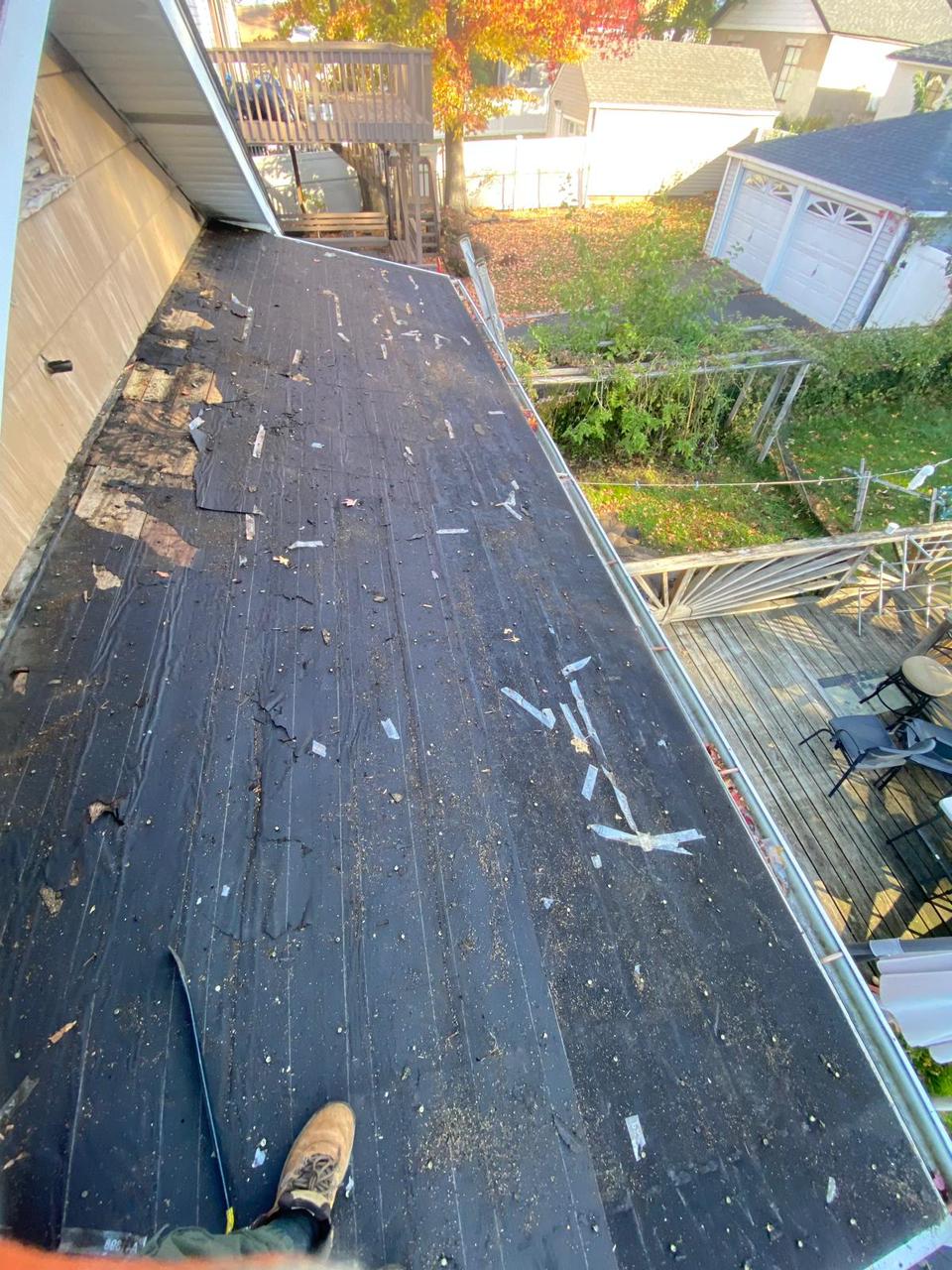
Next, document the damage extensively. Take clear photographs from multiple angles. These images will serve as proof for your claim and expedite processing. Compile a detailed list of affected areas and potential causes.
- Capture photos of damaged sections
- List all visible issues and potential causes
- Keep documentation organized for easy reference
Coordinate with an experienced roofing contractor. Obtain an estimate for the repair or replacement work. This estimate will support your insurance claim and help determine coverage.
- Secure a detailed repair estimate
- Ensure contractor details are reliable
- Submit estimate with your claim
Submit all required documentation to your insurer. This includes photos, estimates, and incident reports. Keeping these organized can speed up the process.
An insurance adjuster may need to inspect your property. Be available for inspections and provide requested information. Cooperate fully to facilitate a straightforward assessment.
Finally, follow up regularly with your insurer on claim progress. Maintain open communication to clarify doubts and expedite the process. By staying proactive, you enhance the likelihood of a favorable resolution.
Completing these steps diligently will improve your claim experience. A systematic approach ensures everything proceeds smoothly for NJ roof repairs handled through your insurer.
Key Factors That Affect Roof Repair Coverage in NJ
Several elements influence roof repair coverage in New Jersey. Understanding these factors can help homeowners effectively navigate their insurance policies.
Firstly, the age and condition of your roof play a vital role. Insurers may offer limited coverage for older or poorly maintained roofs. Regular inspections and upkeep are essential for maximizing coverage.
Another consideration is the cause of the damage. Policies typically cover damage from perils like storms or fires. However, damage from wear and tear is usually not included.
The location of your property is also significant. High-risk areas, such as those prone to severe weather, might have different coverage criteria. Ensure your policy aligns with regional risks and needs.
Additional factors include:
- Type and material of your roof
- Policy deductibles and limits
- Specific clauses and endorsements
Understanding these aspects of your policy is crucial. Being informed helps ensure you get the right amount of coverage for potential roof repairs.
How to Document Roof Damage for Your Insurance Claim
Proper documentation is critical when filing an insurance claim for roof damage. Accurate records can make your claims process smoother and more efficient.
Start by taking clear photos of all affected areas. Capture both close-up shots and wide views to show the extent of the damage. Don’t forget to include interior damage caused by the roof issue.
Besides photos, create detailed notes about when and how the damage occurred. Record weather conditions if relevant. This information adds context to your claim.
Include these items in your documentation:
- Date and time of damage
- Photos of affected areas
- Repair estimates from contractors
Remember, effective documentation provides crucial support for your insurance claim. The more detailed your records, the stronger your case.
Working With Roofing Contractors and Insurance Adjusters
Collaborating effectively with roofing contractors and insurance adjusters is crucial. It helps to ensure a successful roof repair process in New Jersey.
First, choose contractors with strong reputations and proven experience. Check reviews, ask for references, and ensure they are licensed.
Communicate openly with the insurance adjuster. Provide all necessary documentation promptly to avoid delays in claim approval.
When working with contractors and adjusters, keep these tips in mind:
- Verify contractor’s licenses and credentials
- Maintain a clear line of communication
- Ensure the contractor and adjuster agree on the repair plan
Effective coordination can expedite repairs and claim resolution. It also minimizes misunderstandings between parties involved.
Deductibles, Out-of-Pocket Costs, and Claim Impact on Premiums
Understanding your deductible is crucial when filing a roof repair claim. The deductible is the amount you pay out-of-pocket before insurance covers the rest.
A higher deductible often means lower premiums. However, it results in more out-of-pocket expenses during a claim.
Claiming roof repairs may impact future premiums. Consider these factors before filing:
- Evaluate the deductible versus repair costs
- Consider long-term premium increases
- Weigh the financial benefits of filing a claim
Every situation is unique. It’s essential to balance immediate savings with potential future costs. Assess the full implications to make informed decisions.
Special Considerations for Older Roofs and Building Codes in NJ
Older roofs often face unique insurance challenges. Age can affect both their durability and insurance coverage.
In New Jersey, building codes may require updates during repairs. These codes ensure safety and compliance with modern standards.
When dealing with older roofs, consider:
- Potential need for code compliance upgrades
- Limited insurance options for aged roofing materials
- Increased likelihood of exclusions due to wear and tear
Understanding these factors can help you navigate insurance claims effectively. Ensuring your roof complies with local codes may also improve coverage chances. Regular inspections can identify necessary upgrades for maintaining adequate protection.
Tips to Ensure Adequate Roof Repair Coverage in New Jersey
Ensuring adequate roof repair coverage involves proactive planning and regular maintenance. Simple steps can safeguard your home and finances.
First, review your current buildings insurance policy to understand its specifics. Check for coverage limitations or exclusions related to roof repairs.
Consider the following tips for comprehensive protection:
- Regularly inspect your roof for signs of damage
- Keep detailed records of maintenance and repairs
- Discuss additional coverage options with your insurance agent
Additionally, promptly address minor repairs to prevent larger issues. Building a strong relationship with both your insurer and local contractors can facilitate smoother claims processes. Remember, proactive efforts today can prevent costly problems tomorrow.
Frequently Asked Questions About Roof Repair Insurance in NJ
When it comes to roof repair insurance in New Jersey, many homeowners have common concerns. Understanding the details can ease the process.
- What causes of roof damage are generally covered?
Most insurance policies cover damage from storms, fire, or vandalism. It’s important to confirm specifics with your provider.
- Are leaks covered by insurance?
Leaks caused by covered perils typically are. However, leaks from lack of maintenance usually aren’t.
- Does the age of my roof affect insurance coverage?
Yes, older roofs may have limited coverage. Inspections can determine specific needs.
- How can I improve my claim’s success?
Document all damages and repairs. Provide as much detail as possible when filing your claim.
- Do roof repairs impact premiums?
Filing claims may lead to higher premiums. Weigh repair costs against potential premium increases.
Understanding your roof repair insurance and keeping informed about your policy can save time and prevent confusion. It’s always wise to consult directly with your insurance agent for any unique concerns or questions.
Q&A
Question: Does buildings insurance cover roof repairs in New Jersey?
Short answer: Often yes—if the damage is caused by a covered peril like windstorms, hail, heavy snow, fire, falling objects, or vandalism. Coverage varies by policy, so review your declarations for covered perils, exclusions, limits, and your deductible. Routine wear and tear or maintenance-related issues typically aren’t covered.
Question: What roof repairs are usually not covered?
Short answer: Standard exclusions include general wear and tear, damage from poor maintenance, pest infestations, and faulty installation or workmanship. Older or poorly maintained roofs may face reduced or limited coverage. Regular inspections and good maintenance records help demonstrate you’ve cared for the roof.
Question: How will my payout be calculated—Actual Cash Value (ACV) or Replacement Cost?
Short answer: With ACV, the insurer subtracts depreciation based on your roof’s age and condition, resulting in a lower payout. Replacement Cost coverage pays the amount to replace or repair the roof without deducting for depreciation, offering broader protection but usually at a higher premium. Check your policy to see which valuation applies.
Question: What should I do to file a strong roof claim in New Jersey?
Short answer: Prioritize safety and address urgent hazards, then promptly notify your insurer. Document thoroughly with clear photos from multiple angles, note the date, time, and suspected cause (e.g., storm), and gather detailed contractor repair estimates. Submit all materials, be available for the adjuster’s inspection, and follow up regularly to keep the claim moving.
Question: Are code-required upgrades for older roofs covered?
Short answer: Building code updates may be required during repairs, and coverage for these upgrades depends on your policy’s specific clauses and endorsements. Older roofs can also face coverage limitations. Review your policy for any ordinance-or-law type provisions or speak with your agent to confirm whether code compliance costs are included.