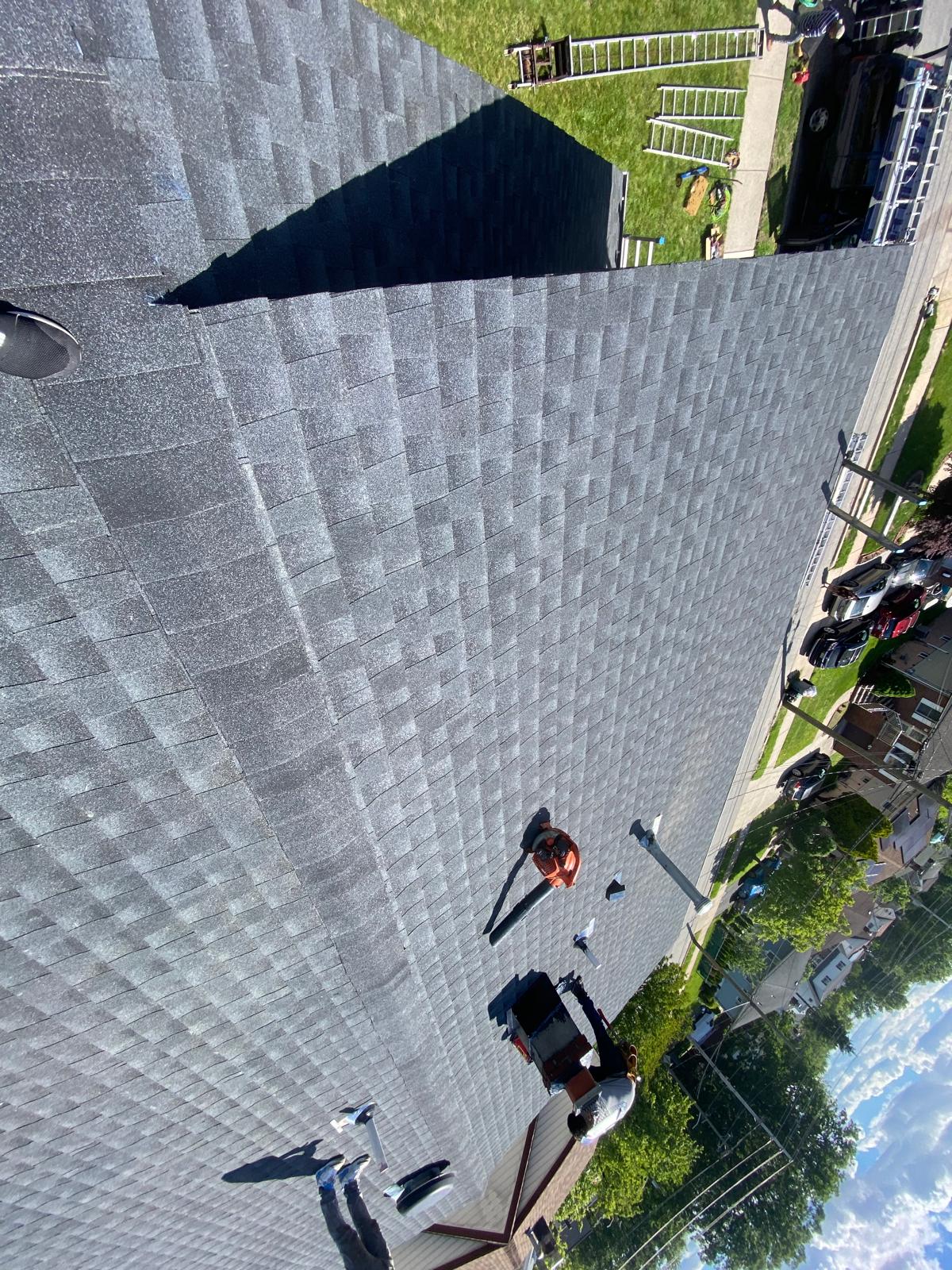
An asphalt shingle roof is one of the most common roofing systems used on New Jersey homes because it offers a practical balance of durability, appearance, installation flexibility, and cost. But even quality shingles eventually wear out, especially after years of exposure to rain, snow, wind, temperature changes, and seasonal weather.
When repairs are no longer enough, an asphalt shingle roof replacement in New Jersey can restore your home’s weather protection and provide a fresh roofing system built for long-term performance.
A successful replacement involves much more than installing new shingles. The contractor needs to evaluate the existing roof, inspect the decking, remove old materials properly, install appropriate underlayment and flashing, address ventilation, and make sure the finished system is correctly installed.
When Should You Replace an Asphalt Shingle Roof?
Not every damaged roof needs complete replacement. Some problems can be corrected through targeted repairs.
However, replacement may become the better option when the roofing system has widespread deterioration or has reached the end of its practical service life.
Common signs that replacement may be appropriate include:
- Frequent or recurring roof leaks
- Large areas of missing or damaged shingles
- Curling or buckling shingles
- Significant granule loss
- Cracked or brittle shingles
- Extensive storm damage
- Deteriorated flashing
- Sagging roof areas
- Damaged roof decking
- Repeated repair requirements
- An aging roof approaching the end of its serviceable life
If you’re uncertain about the condition of your roof, it is better to start with a professional roof inspection in New Jersey rather than immediately committing to replacement.
A detailed inspection can help determine whether repair, maintenance, or complete replacement is the most appropriate solution. Deluxe Construction NJ’s inspection service evaluates roofing components including shingles, flashing, gutters, vents, attic ventilation, and structural elements.
5 Warning Signs Your Asphalt Shingles Are Failing
Asphalt shingles can deteriorate gradually, making some problems difficult to notice from ground level.
1. Excessive Granule Loss
Granules protect asphalt shingles from sunlight and weather exposure.
Some granule loss is normal as a roof ages, but excessive amounts collecting in gutters or around downspouts may indicate that the shingles are deteriorating.
2. Curling or Buckling
Shingles that curl, claw, or buckle are no longer providing the same level of protection as properly installed shingles.
Widespread curling is generally more concerning than an isolated damaged shingle.
3. Cracked or Missing Shingles
Individual damaged shingles can often be repaired.
However, when cracking, missing shingles, or deterioration is widespread, replacement may provide better long-term value.
4. Repeated Leaks
A single isolated leak does not automatically mean the roof needs replacement.
Repeated leaks across multiple areas, however, can indicate that the roofing system is approaching the end of its useful life.
5. Visible Decking or Sagging
If you can see daylight through the roof structure from the attic or notice visible sagging, the issue deserves prompt professional attention.
These signs can indicate problems beyond the shingles themselves.
Asphalt Shingle Roof Replacement vs. Roof Repair
One of the most important decisions is determining whether to repair the existing roof or replace it.
Roof Repair May Be Appropriate When:
- Damage is limited to a small area
- Most shingles remain in good condition
- The roof is relatively young
- Flashing needs localized repair
- A small leak has an identifiable source
- Storm damage is isolated
For localized problems, roof repair in New Jersey may be more economical than replacement.
Roof Replacement May Be Better When:
- Damage is widespread
- The roof has repeated leaks
- Shingles are deteriorating across large areas
- The roof is nearing the end of its serviceable life
- The underlying decking is extensively damaged
- Previous repairs have failed repeatedly
- Storm damage affects a substantial portion of the roof
Deluxe Construction NJ’s roofing services explain that the company evaluates the condition of the roof before determining whether repair or replacement is appropriate.
Architectural vs. 3-Tab Asphalt Shingles
Homeowners replacing an asphalt shingle roof often have a choice between different shingle profiles.
3-Tab Shingles
Traditional 3-tab shingles have a flat, uniform appearance and are generally positioned as a more economical roofing option.
Architectural Shingles
Architectural shingles have a dimensional appearance and are generally thicker and more visually prominent than basic 3-tab shingles.
They can provide:
- A more premium appearance
- Greater design flexibility
- Strong weather-performance options
- Different color and texture choices
- Improved curb appeal
The best choice depends on your home’s design, budget, roof structure, manufacturer specifications, and desired performance.
Instead of choosing solely based on appearance, discuss the available options with your roofing contractor.
Why the Roof Is More Than Just Shingles
A new roof is a complete system.
The visible shingles are only one component. A properly installed asphalt shingle roof can also include:
- Roof decking
- Drip edge
- Underlayment
- Ice and water protection
- Starter shingles
- Field shingles
- Ridge caps
- Flashing
- Pipe boots
- Roof vents
- Attic ventilation
Ignoring these supporting components can compromise the performance of an otherwise attractive new roof.
Roof Deck Inspection During Replacement
One of the major advantages of a complete tear-off is that the contractor can inspect the underlying roof deck.
Once the existing shingles and underlayment are removed, damaged decking can be identified.
Potential problems include:
- Rot
- Moisture damage
- Soft wood
- Structural deterioration
- Previous improper repairs
Replacing compromised decking before installing the new roofing system provides a more stable foundation.
This is one reason homeowners should be cautious about choosing an overlay simply because it appears cheaper initially.
Why Underlayment Matters
Underlayment provides an additional layer of protection between the roof decking and shingles.
Modern roofing systems can use synthetic underlayment and specialized waterproofing membranes in vulnerable areas.
These materials help provide additional protection around areas such as:
- Roof valleys
- Eaves
- Roof edges
- Chimneys
- Skylights
- Other roof penetrations
The exact products and installation methods should follow the roofing manufacturer’s requirements and the contractor’s specifications.
Drip Edge and Flashing
Water management is critical to roof performance.
Drip Edge
Drip edge is installed along roof edges to help direct water away from the roof decking and toward the gutter system.
Flashing
Flashing helps protect transitions and penetrations where water could otherwise enter the roofing system.
Common flashing locations include:
- Chimneys
- Skylights
- Roof-to-wall intersections
- Valleys
- Vents
- Dormers
A new roof should therefore be evaluated as an entire water-management system rather than simply a layer of shingles.
Proper Roof Ventilation
Ventilation is another important part of an asphalt shingle roofing system.
A properly designed attic ventilation system helps manage heat and moisture within the attic.
Depending on the home’s design, ventilation may involve:
- Soffit vents
- Ridge vents
- Gable vents
- Other approved ventilation components
Poor ventilation can contribute to moisture accumulation and may affect the longevity of roofing materials.
During replacement, the contractor should evaluate existing ventilation rather than automatically assuming that the current system is adequate.
Ice and Water Protection for New Jersey Homes
New Jersey roofs experience a wide range of weather conditions, including freezing temperatures, snow, heavy rainfall, and freeze-thaw cycles.
Ice and water protection can provide additional defense in vulnerable roof areas, particularly along eaves, valleys, and other locations specified by the roofing system.
Your contractor should explain where these protective membranes will be installed and how they fit into the overall roofing design.
What Happens During an Asphalt Shingle Roof Replacement?
A professional replacement typically follows a structured process.
Step 1: Initial Roof Inspection
The contractor evaluates the existing roofing system and determines its condition.
This may include looking at:
- Shingles
- Flashing
- Roof penetrations
- Gutters
- Ventilation
- Roof decking
- Signs of water intrusion
Step 2: Estimate and Material Selection
After the roof is evaluated, the contractor can develop a project scope and estimate.
This is when homeowners can discuss:
- Shingle type
- Color
- Underlayment
- Flashing
- Ventilation
- Warranty
- Expected project timeline
Step 3: Property Protection
Before tear-off begins, the work area should be prepared to protect landscaping, exterior surfaces, windows, and other vulnerable areas.
Step 4: Tear-Off
The existing roofing materials are removed so the underlying roof deck can be evaluated.
Step 5: Deck Inspection and Repairs
Any damaged decking identified during tear-off should be repaired or replaced before new roofing materials are installed.
Step 6: Underlayment and Water Protection
The appropriate underlayment and waterproofing materials are installed according to the roofing system specifications.
Step 7: Flashing and Drip Edge
Flashing and drip-edge components are installed around vulnerable areas and roof edges.
Step 8: Asphalt Shingle Installation
The new shingles are installed according to the manufacturer’s instructions and appropriate installation practices.
Step 9: Ventilation and Ridge Caps
Roof ventilation components and ridge caps are completed to finish the roofing system.
Step 10: Final Inspection and Cleanup
The contractor should inspect the finished roof, remove construction debris, and clean the surrounding property.
Deluxe Construction NJ describes a similar installation sequence involving tear-off, decking inspection, underlayment, flashing, roofing material installation, final inspection, and cleanup.
Full Tear-Off vs. Roofing Overlay
Some homeowners consider installing new shingles over an existing layer to reduce upfront costs.
However, a full tear-off offers an important advantage: it allows the contractor to inspect the roof deck directly.
With a complete replacement, the contractor can identify:
- Hidden rot
- Water damage
- Deteriorated decking
- Improper previous installations
- Damaged flashing
- Other underlying problems
An overlay can conceal those conditions.
Whether an overlay is permitted or appropriate depends on the existing roof, local requirements, manufacturer specifications, and the contractor’s assessment.
For a long-term replacement project, ask the contractor to explain both options and the advantages and limitations of each.
How Much Does Asphalt Shingle Roof Replacement Cost in New Jersey?
The cost of an asphalt shingle roof replacement varies from property to property.
Factors that can affect the project price include:
- Roof size
- Roof pitch
- Number of roof sections
- Shingle type
- Underlayment
- Flashing requirements
- Roof decking repairs
- Ventilation work
- Chimney or skylight details
- Tear-off requirements
- Labor
- Disposal
- Accessibility
- Warranty selection
Rather than relying on a generic online number, homeowners should request a detailed, property-specific estimate.
A good estimate should clearly explain what is included and identify potential additional costs if hidden damage is discovered after the old roof is removed.
How to Compare Asphalt Shingle Roof Replacement Estimates
When comparing contractors, do not compare only the final price.
Review whether each estimate includes:
| Item | Contractor A | Contractor B |
|---|---|---|
| Tear-off | ✓ / — | ✓ / — |
| Roof decking inspection | ✓ / — | ✓ / — |
| New underlayment | ✓ / — | ✓ / — |
| Ice & water protection | ✓ / — | ✓ / — |
| Drip edge | ✓ / — | ✓ / — |
| Flashing | ✓ / — | ✓ / — |
| Ventilation | ✓ / — | ✓ / — |
| Shingle manufacturer/type | ✓ / — | ✓ / — |
| Cleanup/disposal | ✓ / — | ✓ / — |
| Workmanship warranty | ✓ / — | ✓ / — |
This makes it easier to determine whether a low estimate is genuinely less expensive or simply includes fewer components.
How to Choose an Asphalt Shingle Roofing Contractor in NJ
Your contractor can have as much impact on the final roof performance as the materials themselves.
Before signing a contract, check:
Licensing and Insurance
Ask for appropriate licensing and insurance documentation.
Relevant Experience
Choose a contractor with experience installing asphalt shingle systems similar to yours.
Detailed Estimates
Avoid relying on verbal promises. Get the scope, materials, costs, and warranty information in writing.
Manufacturer Requirements
Ask whether the installation follows the roofing manufacturer’s requirements.
Warranty
Understand both material and workmanship warranty coverage.
Previous Projects
Review examples of completed roofing projects when available.
For additional guidance, see our guide on how to find reliable roofing contractors in New Jersey before choosing a contractor.
Don’t Ignore Gutters During Roof Replacement
A new roof and properly functioning gutters should work together.
Gutters collect runoff from the roof and direct it away from the building.
During a roof replacement, the contractor should evaluate:
- Gutter condition
- Downspouts
- Roof-edge drainage
- Fascia
- Drip edge
- Water discharge locations
If gutters are damaged or poorly positioned, replacing them at the same time as the roof may help create a more complete exterior water-management system.
Chimneys, Skylights, and Other Roof Penetrations
Roof replacement should also account for features that intersect with the roofing system.
These can include:
- Chimneys
- Skylights
- Plumbing vents
- Exhaust vents
- Dormers
- Roof-to-wall intersections
Poorly integrated flashing around these features can become a source of water intrusion.
For properties with chimney-related deterioration, a dedicated chimney repair service in New Jersey may be needed alongside roofing work.
How Long Does an Asphalt Shingle Roof Replacement Take?
Project duration depends on the size and complexity of the roof.
Factors include:
- Roof size
- Roof pitch
- Number of layers
- Weather conditions
- Decking repairs
- Material availability
- Property accessibility
- Number of roofing crews
A straightforward residential replacement may progress relatively quickly, while larger or more complicated roofs can take longer.
Your contractor should provide a realistic schedule before work begins and explain how weather could affect the timeline.
How to Prepare for Roof Replacement
Homeowners can make the process easier by:
- Moving vehicles away from the work area
- Securing outdoor furniture
- Protecting fragile items in the attic
- Keeping children and pets away from the work zone
- Informing neighbors when appropriate
- Removing wall decorations that may be affected by vibration
- Keeping the driveway accessible for roofing materials
- Discussing working hours with the contractor
Ask the roofing company what specific preparation it requires before the crew arrives.
Common Asphalt Shingle Roof Replacement Mistakes
Choosing Only by Price
The lowest estimate may not include the same materials, preparation, or warranty.
Skipping the Inspection
A roof should be evaluated before deciding on replacement.
Ignoring the Roof Deck
Installing new shingles without addressing damaged decking can leave underlying problems unresolved.
Overlooking Ventilation
A new roofing system should work with an appropriate attic ventilation strategy.
Reusing Damaged Flashing
Old flashing may not be suitable for a new roofing system, particularly where it is deteriorated or improperly installed.
Failing to Clarify Warranty Coverage
Homeowners should understand what is covered by the manufacturer and what is covered by the contractor.
Is Asphalt Shingle Roofing Right for Your NJ Home?
Asphalt shingles remain a practical option for many New Jersey residential properties because they offer a combination of:
- Broad material availability
- Multiple styles and colors
- Straightforward installation
- Competitive pricing
- Repairability
- Established installation practices
However, the appropriate roofing material depends on your property’s design, budget, roof structure, desired appearance, and long-term goals.
A professional roofing evaluation can help you compare asphalt shingles with other available roofing systems.
Deluxe Construction NJ’s main roofing contractor services in New Jersey cover inspection, repair, installation, and replacement for residential and commercial properties.
Why Choose Deluxe Construction NJ?
Deluxe Construction NJ provides roofing services throughout New Jersey, including roof inspections, repairs, replacements, and new installations. The company’s roofing service page states that it works with asphalt shingles as well as metal and flat roofing systems.
Its installation process includes evaluation of the existing roof, tear-off, decking inspection, underlayment, flashing, roofing material installation, and final cleanup.
For homeowners considering asphalt shingle replacement, this full-system approach is important because the quality of a roof depends on more than the visible shingles.
Frequently Asked Questions
How do I know when my asphalt shingle roof needs replacement?
Widespread shingle deterioration, repeated leaks, extensive storm damage, significant granule loss, curling, damaged decking, or an aging roofing system can indicate that replacement should be considered.
Can I repair my asphalt shingle roof instead of replacing it?
Yes, if the damage is localized and the rest of the roofing system remains in good condition. A professional inspection can help determine whether repair is appropriate.
Are architectural shingles better than 3-tab shingles?
Architectural shingles offer a dimensional appearance and can provide different performance and design options. The right choice depends on your budget, home, manufacturer specifications, and roofing requirements.
Should old shingles be removed before installing a new roof?
A complete tear-off allows the contractor to inspect the roof deck and identify hidden problems. Whether an overlay is possible depends on the existing roofing system, local requirements, and manufacturer specifications.
What is included in an asphalt shingle roof replacement?
A complete replacement can include tear-off, roof deck inspection, repairs, underlayment, water protection, drip edge, flashing, shingles, ventilation components, ridge caps, and final cleanup.
How much does asphalt shingle roof replacement cost in New Jersey?
The cost varies according to roof size, pitch, materials, labor, decking condition, flashing, ventilation, tear-off requirements, and other project-specific factors. A detailed property inspection and estimate provide a more useful figure.
How long does an asphalt shingle roof replacement take?
The timeline depends on the roof’s size, complexity, weather, material availability, and whether hidden damage is discovered during tear-off.
Should gutters be replaced with the roof?
Not always. However, gutters should be inspected during a roof replacement because roof drainage and gutter performance are closely connected.
Do I need a roof inspection before replacing my roof?
An inspection is highly useful because it helps establish the condition of the existing roofing system and determine whether replacement is actually necessary.
Get a Professional Asphalt Shingle Roof Replacement Estimate in New Jersey
Replacing a roof is a major investment, so the goal should be more than simply installing new shingles.
A properly planned asphalt shingle roof replacement should address the entire roofing system—from the roof deck and underlayment to flashing, ventilation, shingles, drainage, and final cleanup.
If you’re unsure whether your existing roof needs repair or replacement, start with an inspection. If replacement is appropriate, compare detailed estimates and make sure the scope of work clearly explains the materials, installation process, warranties, and potential additional costs.
Deluxe Construction NJ provides roof replacement and installation services in New Jersey and offers free estimates.
Call +1 (201) 552-1543 to discuss your asphalt shingle roofing project and request an estimate.