
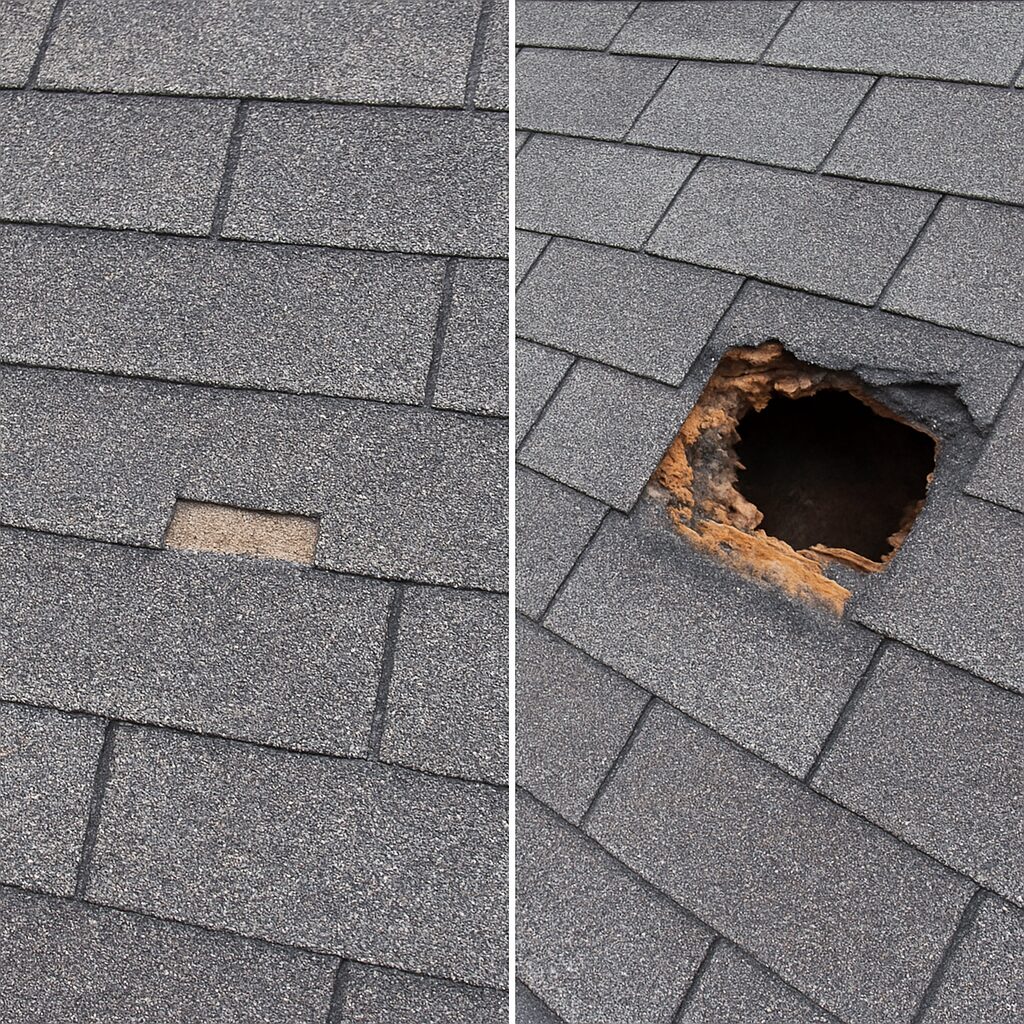
You hear the steady drip-drip-drip against the attic floor, and your first thought isn’t about the water itself—it’s about your bank account. That rhythmic sound often triggers a specific kind of homeowner panic, spiraling into visions of drained savings and massive construction crews taking over your driveway. But panic rarely leads to smart financial decisions. Instead of worrying about a worst-case scenario, the best way to regain control is to understand the financial reality before you ever pick up the phone to call a pro.
Roof repair pricing often feels like a secret known only to contractors, leaving many homeowners to wonder exactly how much does it typically cost to repair a roof leak? While every house presents unique challenges, industry data reveals that most minor repairs fall between $300 and $1,500. This range serves as a critical anchor for your budget. Knowing this baseline immediately shifts your perspective from fearing a total replacement to managing a routine maintenance expense. Unless the damage is catastrophic, a small leak rarely requires tearing off the entire roof system.
To see where that money goes, it helps to think of your home’s roof like a heavy-duty raincoat. A raincoat keeps you dry, but if a single seam splits or a button pops off, water will find its way inside regardless of how high-quality the fabric is. Your roof works the same way; it is a protective system that relies on tight seals around chimneys, vents, and valleys. Most roof repair cost estimates cover the labour and materials needed to fix these specific “seams” rather than replacing the coat entirely.
Ignoring a small breach in that system, however, changes the maths rapidly. Water that lingers for even 48 hours can begin to soak into insulation and wood, inviting mould and rot that act as hidden cost multipliers. A simple patch job can quickly balloon into a structural overhaul if left unattended. By moving from anxiety to action today, you are protecting your home’s structure and preventing a manageable repair from becoming a $10,000 replacement down the road.
Why Your Quote Varies: The Three Big Pillars of Roofing Labour and Materials
When looking at a roofing cost estimate, homeowners often expect the price of shingles to drive the total. In reality, materials usually account for only about 30 to 40 per cent of the bill. The bulk of your expense goes toward the skilled professionals doing the work, much like how a mechanic’s invoice is mostly hourly wages rather than the cost of a new timing belt. This labour-heavy split happens because roofing is physically demanding, high-risk work that requires specific insurance and safety training to prevent accidents.
Safety isn’t just a concern for the workers; it directly impacts your wallet through the “pitch” factor. In industry terms, pitch simply refers to the steepness of the slope. If a roof is walkable—meaning a worker can stand on it without special harness equipment—the labour rates for professional roofing contractors remain standard. However, once that slope becomes too steep to walk on easily, the price often jumps by 20 to 30 per cent. This surcharge covers the extra time needed to set up scaffolding, secure safety harnesses, and move materials slowly up a near-vertical surface.
Beyond just the angle of the roof, the specific conditions of your home can shift roofing repair rates significantly. Contractors look for “access obstacles” that slow down the crew and increase the difficulty. Your quote will likely reflect a higher labour charge if the team encounters:
- Extreme Height: Second or third-storey roofs require longer ladder setups and material hoists.
- Multiple Layers: If previous owners shingled over old roofs, the crew must tear off twice as much material to reach the decking.
- Complex Designs: Dormers or skylights require intricate hand-cutting rather than fast, straight installation rows.
Once the crew navigates these obstacles, they often find the culprit isn’t the shingle itself, but the metal seals around your chimney and vents.
The Flash Point: How Fixing Chimney and Vent Seals Prevents Attic Floods
Water rarely soaks directly through a solid shingle; instead, it sneaks in where the roof changes shape. These sensitive joints rely on strips of metal, known as flashing, to bridge the gap between your roofing material and vertical structures. Because metal expands and contracts with the weather, these seals can eventually wiggle loose or rust, leading to an average cost of roof flashing repair generally falling between $200 and $500. It is similar to the zipper on a raincoat—the fabric might be fine, but if the seal fails, you still get wet.
Another frequent offender is the rubber “boot” that surrounds the plumbing pipes sticking out of your roof. Over time, harsh UV rays crack this rubber gasket, creating a direct path for water to drip into your attic insulation. Fortunately, the roof vent leak repair cost is usually minimal compared to major structural work. You can typically expect the cost to replace damaged roof vent boots to stay under $150 per unit, making it one of the most affordable ways to stop a ceiling stain in its tracks.
Problems become more complex when the issue involves the bricks themselves rather than just the metal seal. If the mortar between your chimney bricks is crumbling, a roofer cannot simply glue new metal down; they often need a mason to repair the structure first. Consequently, chimney masonry and flashing repair estimates can climb significantly, sometimes exceeding $1,000 depending on the damage. To catch these weak points early, keep an eye on these four critical zones:
- Chimney Flashing: The metal collar wrapping around the chimney base.
- Vent Boots: The rubber seals around white plumbing pipes.
- Skylights: The edges where the glass unit meets the roof deck.
- Valleys: The V-shaped channel where two roof slopes intersect.
Once you know where to look, you can often confirm your suspicions without ever climbing a ladder by using a simple trick involving your garden hose.
Spotting the Source: The Garden Hose Trick to Find Leaks Before the Pro Arrives
Ceiling stains are often tricky liars; water usually runs down rafters or plywood before dripping, meaning the actual hole could be ten feet uphill from the damp spot on your drywall. Contractors often charge a minimum diagnostic fee just to locate the problem, adding roughly $150 to your final bill before they even lift a hammer. By performing early leak detection yourself, you skip this “discovery phase” and provide the roofer with the exact location of the failure, keeping more money in your pocket.
This diagnostic technique requires two people: one stationed in the attic with a torch and another on the roof (or safely on a ladder) with a hose. To pinpoint how to find the source of a ceiling leak without causing more damage, follow this sequence:
- Start Low: Begin spraying the lowest point of the suspected area, such as the eaves, rather than the peak.
- Isolate Zones: Soak one specific area for several minutes before moving up; if you spray the whole roof at once, you won’t know which spot failed.
- Communicate: Have the person inside shout the moment a drip appears to confirm the exact entry point.
Identifying the specific failure point transforms a vague worry into a concrete plan. Instead of wondering if the whole roof is doomed, you might discover just a few cracked shingles or a loose boot. Knowing the scope of the damage is the single biggest factor in predicting the eventual leak in roof repair cost, whether it requires a quick $300 fix or a more intensive overhaul.
Minor Patches vs. Major Rescues: Pricing the Spectrum from Shingles to Structural Rot
Staring at a water stain often leads to worst-case scenarios, but the reality is usually less dramatic. Most “spot fixes” involve simply swapping out damaged shingles or resealing a vent boot, keeping the labour time under two hours. Because the material cost is negligible here, contractors typically charge a flat minimum service fee rather than a strict price per square foot for asphalt shingle patches, resulting in a bill that usually stays between $150 and $400.
Problems escalate quickly when water bypasses that top layer and soaks into the wood sheathing underneath. Just as a sturdy house needs a solid foundation, your shingles require firm decking to hold nails; if that wood becomes soft or “spongy,” a simple patch becomes impossible because there is nothing solid to nail into. You can often identify signs of structural roof deck rot by looking for a visible sag in the roofline or feeling a dangerous bounce when walking near the leak source.
This distinction is the key to anticipating the final bill. Minor versus major roof repair pricing creates a massive divide: a simple shingle swap is a maintenance expense, while replacing rotted decking requires stripping the roof down to the rafters, easily pushing costs over $1,500 depending on the affected area. Even after the wood is replaced, deeper issues may linger unseen in the attic.
The Hidden Under-the-Hood Costs: Why Wet Insulation and Soft Plywood Double the Bill
Gravity is the enemy of your budget because water rarely stops at the roof deck. Once moisture drips into your attic, fibreglass insulation absorbs it like a giant sponge, causing the material to clump and lose its ability to trap heat. This loss of thermal resistance—known as R-value—means fixing water damage in attic insulation is strictly necessary, not optional; much like wearing a wet wool coat, damp insulation draws heat away from your living space rather than conserving it.
Speed becomes critical once the leak enters your home’s interior layers. In the dark, stagnant environment of an attic, biological growth can begin on wet wood and drywall within just 24 to 48 hours. Ignoring this moisture often triggers mould remediation costs after water intrusion, which are distinct from the roof repair itself and require specialized cleaning chemicals or professional removal services to ensure your home remains safe to breathe in.
The final bill often surprises homeowners because the total cost of repairs includes more than just new shingles. Be prepared to budget for these common “under-the-roof” expenses:
- Insulation Replacement: $1.50 – $3.00 per sq. ft. for removal and new blown-in material.
- Drywall Patching: $250 – $500 for ceiling stain removal and repainting.
- Mould Treatment: $500 minimum for localized spraying and containment.
While stationary homes face these layered challenges, mobile habitats have their own unique vulnerabilities involving rubber skins and constant vibration.
On the Road: Estimating RV Roof Leak Repair Costs to Protect Your Mobile Home
Unlike a stationary house, a recreational vehicle is essentially a small apartment enduring a continuous earthquake every time you drive down the highway. This constant vibration targets the seams where vents, skylights, and air conditioners connect to the roof, making leaks a common maintenance reality rather than a rare disaster. Because the walls are thinner and the structure is lightweight, water moves destructively fast; a small drip can delaminate the plywood walls and rot the floor frame significantly faster than similar leaks would damage a residential home.
Fixing these mobile issues requires specialised materials that differ significantly from asphalt shingles. Most RVs use a single sheet of synthetic rubber (EPDM or TPO) or fibreglass, meaning repairs typically focus on the “lap sealant”—a specific self-leveling caulk used around fixtures—rather than replacing the roof skin itself. A standard resealing job for a 30-foot trailer generally ranges from $600 to $1,200, though this rv roof leak repair cost spikes if the rubber membrane itself is torn. Patches for small tears are relatively affordable, but replacing a compromised membrane section involves specialised labour rates that often exceed $130 per hour.
The total cost of roof leak repair on a camper often surprises owners because the majority of the bill is preparation labour. Technicians must meticulously scrape away old, cracking sealant with plastic razors and chemical cleaners before applying new layers, similar to removing layers of old paint before priming a wall. If the damage is too extensive for a quick patch and rain is imminent, you may need to pay for immediate mitigation measures to buy time for a permanent fix.
The Emergency Tarp: Understanding Fees for Keeping the Rain Out Tonight
When water starts pouring through your ceiling at 2:00 AM on a Saturday, you aren’t paying for a permanent repair; you are paying for an emergency response team to stop the bleeding. Contractors typically charge a premium for “after-hours” dispatch, similar to an emergency locksmith, resulting in emergency roof leak tarping service fees that often range from $200 to $600 just to secure the structure. This initial visit usually involves installing a heavy-duty tarp secured with wooden furring strips to divert water away from the breach until the storm passes and a proper assessment can happen during daylight hours.
While spending hundreds of dollars on a temporary plastic cover might feel like throwing money away, it acts as a critical financial firewall protecting your interior. A $400 tarp installation prevents thousands of dollars in soaked insulation, ruined hardwood floors, and drywall collapse, drastically reducing the final bill when you calculate how much does a roof leak repair cost in total damages. These mitigation measures are generally rated to last about 90 days, giving you ample time to schedule a permanent fix and, more importantly, determine if your policy will pick up the tab.
Does Your Homeowners Insurance Cover This? The Sudden Event vs. Slow Decay Rule
Once the tarp is secured and the immediate panic subsides, the biggest question homeowners face is whether their policy will foot the bill for the permanent fix. The answer usually hinges on one critical distinction: was the damage sudden and accidental, or was it gradual? Insurance is designed to protect you from “perils”—unpredictable events like storms or fires—rather than the predictable roof maintenance cost of owning a home. If a healthy roof is damaged overnight, you likely have a claim; if an old roof fails because it reached the end of its life, the cost falls on you.
To see where your specific situation falls, compare the cause of your leak against these common industry standards:
- Typically Covered (Sudden Events):
- Windstorms tearing off healthy shingles.
- Hail impact causing bruises or cracks.
- Falling objects, such as tree limbs, puncturing the deck.
- Typically Denied (Maintenance Issues):
- Slow leaks caused by old, dried-out caulking.
- Rot from moss or algae left untreated for years.
- General wear and tear on a roof exceeding its warranty period.
Financial logic also plays a major role in this decision, specifically regarding your deductible. If the answer to “does homeowners insurance cover roof leak repairs?” is yes, you must still ensure the repair cost significantly exceeds your deductible amount (often $1,000 or more). Filing a claim for a $600 repair not only yields zero payout but also risks raising your future premiums. This reality highlights the benefits of early leak detection and maintenance, as catching a small problem early allows you to handle it affordably out-of-pocket rather than waiting for a catastrophic failure.
The DIY Dilemma: When a $50 Patch Kit Saves Money and When It Costs You a New Roof
Walking down the sealant aisle at your local hardware store, a $15 tube of roofing tar looks like a much better deal than a contractor’s invoice. For small, isolated issues—like a popped nail head or a single cracked shingle tab—this instinct is often correct. If you are comfortable on a ladder and the damage is clearly visible in the middle of a shingle row, the cost of roof leak repair can genuinely be kept under $100. Swapping out one blown-off three-tab shingle is a manageable task that doesn’t require specialised tools, making it a safe entry point for homeowners willing to put in the manual labour.
However, the simplicity of applying a patch often leads to expensive unintended consequences. A frequent DIY error involves ignoring chemical compatibility; using a silicone-based sealant on an asphalt roof usually prevents a proper bond, while slathering generic tar over metal flashing can actually trap water behind the barrier rather than keeping it out. This mistake creates a “damming” effect where runoff backs up under the shingles, slowly rotting the wood deck while the surface looks secure. When diy roof patch kit effectiveness vs professional service is compared, the professional’s true value lies in knowing which materials will bond permanently without causing water to pool or seals to fail during the next freeze-thaw cycle.
Recognising your limits is just as important as having the right tools. If you climb up and find the shingles crumble when touched, or if the leak is coming from a complex valley where two roof planes meet, put the sealant away. These are signs of systemic age and structural wear where a patch acts only as a temporary bandage on a major wound. Continuing to patch a failing system eventually hits a point of diminishing returns, forcing you to evaluate if the roof has enough life left to justify further investment.
Repair or Replace? The Rule of 20 for Deciding if Your Current Roof is Worth the Fix
Deciding between another patch and a fresh start is the most expensive question a homeowner faces. While the immediate roof repair cost is always lower than a new installation, cumulative repairs on an expired system quickly become a financial drain. Think of your roof like an old car; replacing a flat tyre makes sense, but replacing the transmission on a vehicle with 200,000 miles is usually a bad investment. You need to distinguish between “component failure”—a specific damaged part like a flashing vent—and “system failure,” where the shingles are simply too brittle from age to shed water effectively.
To cut through the hesitation, industry experts often suggest using the “Rule of 20” as a baseline for your roof repair vs full replacement cost analysis. This guideline helps objectify an emotional financial decision. Before approving another estimate, check your situation against this threshold:
- Age: Is the asphalt shingle roof approaching or past its 20th birthday?
- Price Ratio: Does the repair quote exceed 20% of the estimated price of a total replacement?
- Scope: Have you already repaired more than 20% of the roof’s total surface area?
If you answered “yes” to any of these, the cost to repair a roof leak today is likely just a down payment on a roof you’ll have to buy anyway within a year or two. Spending $1,500 to protect a roof with only minimal remaining life is mathematically unsound. Once you determine that a professional intervention is necessary—whether for a significant repair or a full tear-off—the quality of the result depends entirely on who you hire.
Vetting Your Contractor: Three Questions That Separate Experts from Chuck with a Truck
Finding a phone number to call is easy, but finding a skilled tradesperson who won’t disappear after cashing your cheque is the real challenge. While labour rates for professional roofing contractors are undeniably higher than a handyman’s cash price, that premium covers essential protections like liability insurance and worker’s compensation. If an uninsured worker falls off your ladder, the resulting medical bills could legally become your responsibility, turning a $500 leak into a financial catastrophe.
Protect your home and wallet by demanding specific details in writing before work begins. A trustworthy roofer will never hesitate to answer these three vetting questions:
- “Can you have your insurance provider email me a current certificate of liability coverage?”
- “Does your roofing cost estimate include a written workmanship warranty for this specific repair, separate from the manufacturer’s material warranty?”
- “Will you provide photo documentation of the deeper layers, like the decking and underlayment, once the old shingles are removed?”
Hesitation on any of these points is an immediate red flag suggesting you are dealing with an amateur or a “storm chaser” rather than a dedicated local business. A legitimate company understands that transparency builds trust and will happily prove they aren’t just slathering tar over a complex problem. With a qualified team secured, you are ready to execute the final steps to stop the water damage immediately.
Your 24-Hour Action Plan: From First Drip to a Dry Attic
Hearing water drip against your attic floor used to trigger immediate financial panic. Now, instead of imagining a mysterious, bankrupting disaster, you can see the leak for what it likely is: a manageable maintenance issue with a predictable price tag. You understand that most leaks are specific failures in the “layers” of your roof—like a cracked boot or loose flashing—rather than a sign that the entire system has failed.
To turn this understanding into a resolution, follow this Immediate Action Checklist to manage the situation from discovery to the final fix:
- Containment: Place buckets to catch water and, if safe to do so, use a tarp to cover the exterior entry point to stop immediate damage.
- Documentation: Take clear photos of both the interior water stains and the exterior damage before any repairs begin; this is vital for insurance and accurate quotes.
- Vetting: Solicit three detailed quotes, asking specifically if the bid includes materials, labour, and clean-up.
- Decision: Compare the cost to repair a roof leak against your insurance deductible; for repairs under $1,000, paying out of pocket is often the smarter financial move.
Armed with this roadmap, you can approach contractors as a partner rather than a distressed victim. You know that the typical how much does a roof leak repair cost range is generally between $300 and $1,500, and you can spot if a bid seems artificially high. Remember that paying for a localized repair today is the most effective way to avoid a $15,000 full replacement tomorrow.
You are no longer guessing about the health of your home. You are an empowered homeowner running a “dry attic” strategy. By addressing the issue early and understanding fair roof maintenance cost, you ensure your home remains a safe, watertight investment without paying a premium for uncertainty.