
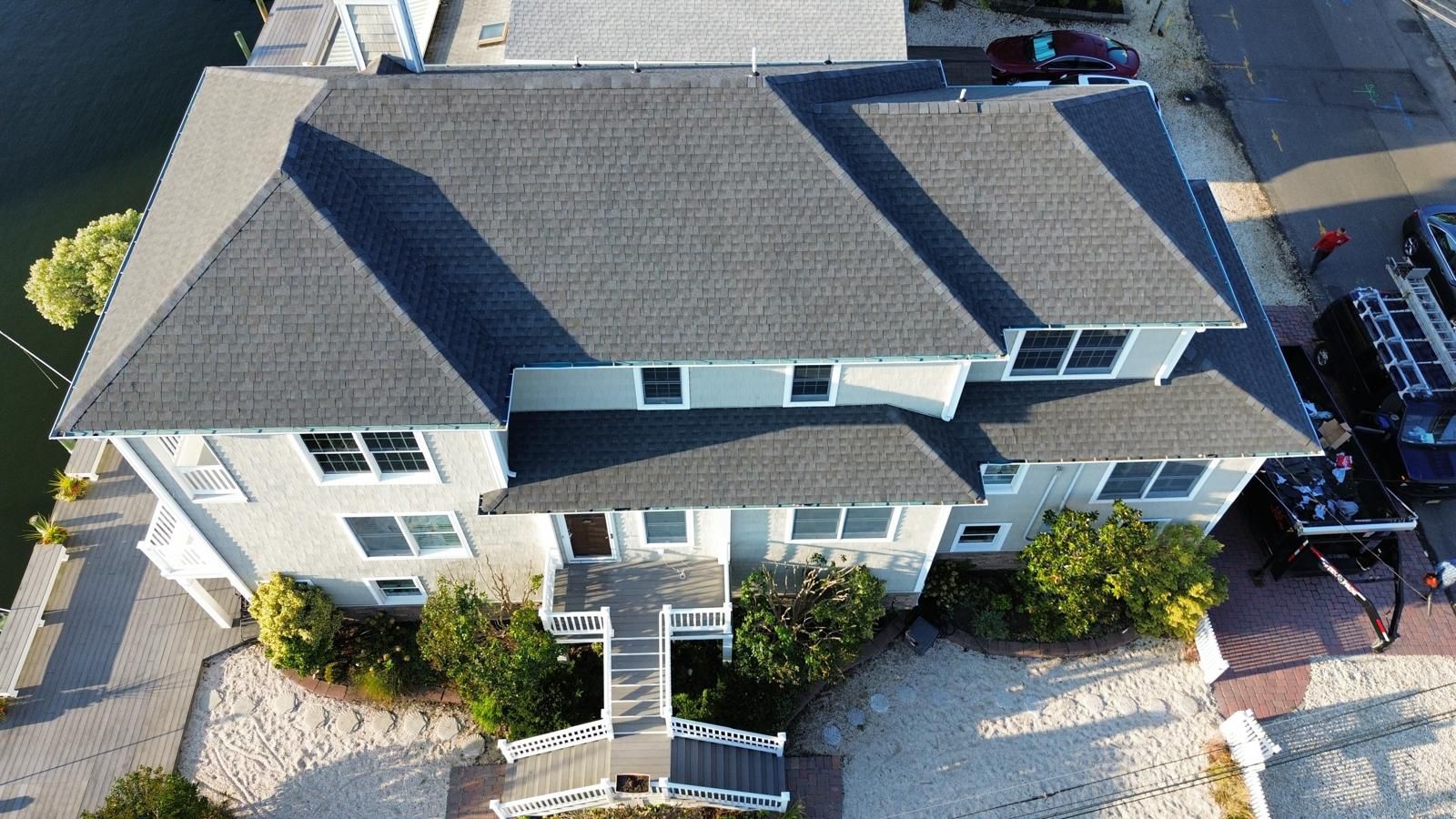
New Jersey’s weather can be unpredictable—from sweltering, humid summers to icy, snowy winters, your home’s roof takes the brunt of it all. For New Jersey homeowners, property managers, and business owners, understanding how seasonal changes affect your roof is crucial for efficient planning, timely maintenance, and long-term structural integrity.
The local climate directly influences the how, when, and why of roof repair in New Jersey. By planning around the seasonal shifts, you can select the best materials, maximize the lifespan of your repairs, and avoid unnecessary emergency costs.
How New Jersey Weather Impacts Roofing Materials
New Jersey’s distinct climate factors create unique challenges for residential and commercial roofing materials:
- Heavy Rain and Storms: Frequent coastal storms and thunderstorms can cause immediate issues such as leaks, compromised flashing, and wind-lifted or displaced shingles. Persistent moisture also accelerates material decay.
- Snow and Ice Dams: Heavy snowfall, particularly in Northern and Central NJ, creates significant weight stress. The freeze-thaw cycle leads to ice dams—ridges of ice that block proper drainage, forcing meltwater under shingles and causing severe moisture intrusion and structural stress.
- Hot Summers and UV Rays: Intense summer heat causes asphalt shingles to lose essential protective granules, crack, and curl prematurely. UV rays break down the bonding agents in various roofing materials, decreasing their flexibility and lifespan.
- High Humidity: Common throughout the state, high ambient humidity promotes the growth of moss, mildew, and black algae on roofs. This moisture can also lead to wood rot if the roof deck or supporting structures are not adequately ventilated.
- Temperature Fluctuations (Freeze-Thaw Cycles): Rapid swings from freezing nights to warmer days cause roofing materials, seals, and flashings to expand and contract repeatedly. This movement leads to stress cracks, loose fasteners, and failing seals—the primary cause of small leaks.
Local Tip: Coastal regions near the Jersey Shore face stronger, sustained winds, which increase the risk of wind damage, and salt exposure, which can corrode metal flashing faster than on inland properties.
Seasonal Breakdown: Timing Your NJ Roof Repairs
The timing of your repair or replacement project is critical. Here is how each season affects roofing work:
Spring: The Ideal Time for Inspection
- Common Issues: Spring reveals the damage hidden by winter, including leaks from melted ice dams, cracked shingles, and debris-clogged gutters.
- Repair Timing: Spring is the best time for roof inspection in New Jersey and for scheduling minor to moderate repairs. The weather is generally mild, dry, and stable, allowing sealants and adhesives to cure properly.
Summer: Plan Replacements Carefully
- Repair Timing: Summer is often ideal for large-scale roof replacements or protective coating applications on flat roofs, as dry conditions speed curing.
- Caution: Extreme heat makes shingles brittle and dangerous for prolonged work. Avoid midday installations, as high temperatures can stress the materials and the crew.
Fall: Best for Major Projects and Preparation
- Repair Timing: Fall offers the most stable temperatures and the lowest humidity, making it the best season for major roof repairs or a complete replacement. This allows new materials to settle and seal effectively before freezing temperatures arrive.
- Maintenance Focus: Use this time to prepare your roof for winter snow and ice. Schedule a seasonal roof maintenance check-up in NJ to clean gutters, trim branches, and seal any exposed areas.
Winter: Emergency Repairs Only
- Repair Difficulty: Freezing temperatures and snow accumulation make standard repairs challenging, time-consuming, and risky. Shingles become fragile, and adhesives/sealants may not cure correctly.
- Action: Reserve winter for emergency roof repair in NJ only (active leaks, major blow-offs). Permanent fixes may need to wait until spring to ensure material integrity.
Common Weather-Related Roof Problems in New Jersey
New Jersey homeowners frequently encounter specific, climate-driven roofing issues:
- Ice Dams: A significant threat, particularly in Northern NJ. They form when heat loss melts snow, which then refreezes at the cold eaves, pushing water backwards under the shingles.
- Wind Uplift and Blow-offs: Powerful wind gusts, especially near the shore, can lift, detach, or remove large sections of shingles, exposing the underlayment.
- Ponding Water on Flat Roofs: After heavy storms, inadequate drainage or roof sagging can lead to standing water, rapidly deteriorating the flat roofing membrane (e.g., TPO, EPDM).
- Thermal Cracking: Caused by the dramatic difference between day and night temperatures, this issue causes roofing materials to crack along stress points, leading to leaks over time.
How to Plan Roof Repairs Efficiently
Taking a proactive, weather-aware approach will save you stress and money:
- Schedule Bi-Annual Inspections: Schedule professional roof inspection in New Jersey every spring (to assess winter damage) and every fall (to prepare for the next winter).
- Monitor Drainage: Keep gutters and downspouts clear year-round, especially before winter. Gutter guards are a worthwhile investment in snowy areas.
- Choose Climate-Appropriate Materials: Opt for high-quality, weather-resistant materials, such as architectural shingles or heavy-duty flat roof membranes (like TPO or PVC) designed to withstand temperature extremes and UV exposure.
- Avoid Extremes: Schedule all major roofing work during the stable temperatures of late spring and early fall.
Emergency Roof Repairs During Severe Weather
If a sudden leak or storm damage occurs, follow these safety steps:
- Safety First: Do not attempt to climb onto a wet, icy, or wind-damaged roof.
- Temporary Tarping: From inside (or safely from a ladder), cover the exterior leak area with heavy plastic sheeting or a tarp to prevent further interior damage.
- Document Everything: Take photos of all interior and exterior damage for your insurance claim documentation.
- Call a Professional: Immediately contact a professional emergency roof repair service in NJ. Local professionals can safely secure the area and provide temporary fixes until permanent repairs can be scheduled.
Conclusion
New Jersey’s dynamic weather can be harsh on roofs. Still, with proper planning, preventative maintenance, and an understanding of seasonal timing, you can protect your home from costly damage year-round. Prioritizing seasonal roof maintenance in NJ is key to maximising your roof’s lifespan and safeguarding your property.
If your roof has been damaged by recent weather or if you suspect winter has caused hidden issues, don’t wait for the next storm.
Contact trusted New Jersey roofing contractor today for a thorough roof inspection and reliable, weather-aware repair service.