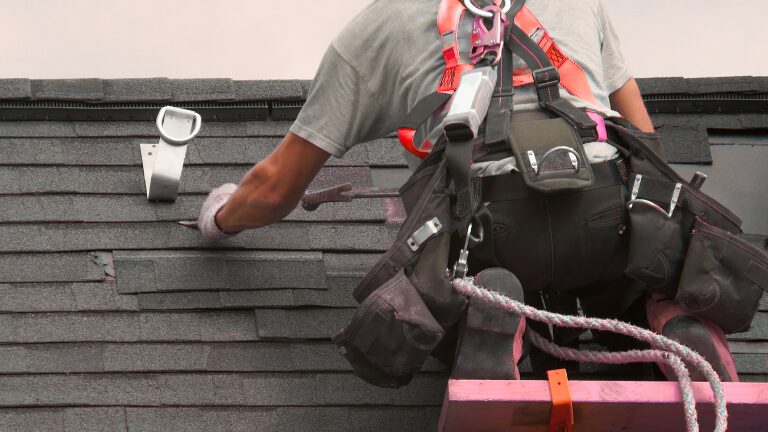
Hiring a roof inspector is one of the smartest ways to verify that roofing work was completed correctly, especially before final payment, warranty paperwork, a home sale, or an insurance claim. A qualified Roof Inspector gives you a documented, practical view of the roof’s condition so you can separate small punch-list fixes from bigger concerns. For homeowners in New Jersey, Deluxe Construction NJ LLC also provides complimentary, full-service roof inspections alongside estimates, dispatching roof inspectors across Bergen County and northern New Jersey.

Why should you hire a roof inspector after roofing work?
You should hire a roof inspector after roofing work because a fresh-looking roof is not always the same as a correctly installed roof. Many workmanship issues are easy to miss from the ground, including poor flashing details, uneven shingle placement, exposed fasteners, weak seals around penetrations, or gutter problems that can send water back toward the home. An inspection gives you a clearer basis for asking questions, requesting corrections, or accepting the finished job with confidence.
This is especially important if you are dealing with a large project such as a replacement, storm repair, chimney-area repair, skylight repair, or leak correction. Roofing work has to manage water, ventilation, fastening, drainage, and transitions between materials. If one part is rushed or poorly detailed, the problem may not show up until the next heavy rain.
A roof inspection guide is also useful when emotions are high. Homeowners often feel caught between trusting the contractor and worrying that something was overlooked. A clear report, photos, and roofing expert advice help turn that uncertainty into a practical next step.
A roof inspector and a roofing contractor do different jobs
A roofing contractor installs, repairs, and replaces roofs. A roof inspector evaluates the condition, workmanship, and risk points of a roof. Sometimes those roles overlap during an estimate, but the intent is different: one is proposing or performing work, while the other is assessing what is there and documenting what needs attention.
If you need a fully independent opinion because of a dispute, a real estate negotiation, or a contested insurance claim, look for an inspector who does not sell or install roofing. That helps reduce conflicts of interest. If you are seeking a practical first look, a leak diagnosis, storm damage review, or replacement estimate, a qualified roofing company inspection can still be useful, as long as you understand that the company may also recommend repair or replacement options.
Deluxe Construction NJ LLC’s inspection offering fits that second category. The company provides complimentary, full-service roof inspections alongside regular estimates, which can help homeowners understand visible issues, compare repair paths, and plan next steps before committing to a project.
When a professional inspection is worth scheduling
A roof inspection is not only for emergencies. It can help you make better decisions before problems become expensive, and it can give you documentation when other parties are involved.
Consider scheduling one when:
- A roof replacement was just completed. An installation inspection can confirm whether key details appear complete before you close out the project.
- You still see leaks after a repair. A targeted review can help identify whether the original source was missed or a new weak point has developed.
- A major storm passed through. Wind, hail, branches, and wind-driven rain can damage shingles, flashing, gutters, and roof edges.
- You are buying or selling a home. A roof condition report can support negotiations and reduce surprises during the transaction.
- An insurance claim is involved. Photos and documented findings can help clarify the visible condition and suspected damage path.
- Your roof is aging. Routine roof maintenance advice can help you decide whether small maintenance, repair, or replacement planning makes the most sense.
For homeowners in Bergen County and northern New Jersey, Deluxe Construction NJ LLC offers a Free Initial Assessment as a no-cost service for diagnosing active leaks, assessing storm damage, or planning a total replacement. It is available free of charge and can be a useful starting point when you need a local Roof Inspector NJ option connected to a roofing estimate.
Which type of roof inspection do you need?
The right inspection depends on the decision you are trying to make. If you are checking a roofer’s completed work, you usually want an installation or workmanship-focused inspection. If you are trying to understand damage, lifespan, or a home purchase risk, another type of inspection may be a better fit.
Common inspection types include:
- Installation inspection: Reviews completed work for visible workmanship issues, flashing details, shingle alignment, sealing, ventilation-related concerns, drainage, cleanup, and obvious installation defects.
- Forensic inspection: Looks for the likely cause of a leak, storm damage, impact damage, moisture intrusion, or recurring failure.
- Condition inspection: Evaluates the roof’s current health, maintenance needs, and general remaining service outlook without focusing only on one recent job.
- Due diligence inspection: Supports a real estate purchase or sale by documenting visible roof condition before decisions are finalized.
- Annual or seasonal inspection: Helps spot small issues such as lifted shingles, clogged gutters, deteriorated sealant, or cracked flashing before they become leaks.
If your main concern is “Did my roofer do this correctly?” tell the inspector that directly. Ask for photos of any questionable areas, plain-language explanations, and a report that separates cosmetic concerns from functional problems.
What a good roofing inspection checklist should include
A strong roofing inspection checklist looks beyond the surface. It should consider how water moves, how materials connect, how roof details were finished, and whether any visible conditions create a future leak risk.
For checking a roofer’s work, ask the inspector to review:
- Shingle condition and layout: Look for lifted, cracked, misaligned, overdriven, underdriven, or poorly sealed shingles.
- Starter courses and roof edges: Confirm that edges appear properly finished and protected from wind and water entry.
- Flashing details: Review step flashing, counterflashing, wall transitions, vent pipes, skylights, valleys, and roof-to-chimney areas.
- Chimney alignment and transitions: Check whether roof materials meet the chimney cleanly and whether water can shed away from the joint.
- Underlayment clues: While most underlayment is hidden after installation, visible edges, penetrations, or attic evidence may suggest whether moisture protection was handled properly.
- Ventilation and penetrations: Inspect ridge vents, box vents, pipe boots, bath vents, and other roof openings for proper sealing and placement.
- Gutters and drainage: Make sure gutters, downspouts, drip edges, and roof slopes are moving water away instead of trapping it.
- Attic warning signs: If accessible, look for staining, daylight, damp insulation, poor airflow, or condensation concerns.
- Debris and job closeout: Nails, damaged landscaping, loose materials, and blocked gutters may signal rushed cleanup.
Deluxe Construction NJ LLC includes a Structural Review aspect in its inspection process. The team evaluates roof structural integrity by checking shingles, underlayment condition, flashing seals, chimney alignments, and gutters, then uses those observations to help homeowners understand whether the roof needs focused touch-ups or broader work.

Credentials matter, but context matters too
Certification is not the only sign of a good inspector, but it helps show that the person has pursued structured training. When comparing inspectors, homeowners often see references to Haag certification or NRCIA certification. Both can be relevant, depending on what you need.
Haag certification is commonly associated with roof damage assessment, including storm-related evaluation. That can be useful when hail, wind, or impact damage is part of the question. NRCIA certification is often associated with roof inspection, roof condition documentation, and repair certification processes, which may be helpful in real estate or maintenance planning contexts.
Practical tips for choosing Haag certified roof inspector candidates include asking what roof types they inspect, whether they provide photo documentation, how they explain causation, and whether they have experience with your kind of roof. For any certification, ask how it applies to your situation rather than assuming the credential alone answers every question.
Roof inspector tips for hiring the right person
The best roof inspector for you is the one whose experience, independence level, documentation style, and communication match your situation. A homeowner checking a contractor’s finished work may need a different inspection than a buyer reviewing a 20-year-old roof during attorney review or negotiation.
Before hiring, ask these questions:
- Are you independent from the roofer who performed the work? This matters most when you need an unbiased second opinion.
- Do you carry liability insurance and, when applicable, workers’ compensation coverage? Roof access has safety and property risks.
- What certifications or training do you have? Ask how the credential relates to your roof type and inspection purpose.
- Can I see a sample report? A strong report should be clear, organized, photo-supported, and useful for decision-making.
- Will you inspect the attic or interior signs of leakage? Some roof problems are easier to understand from below the roof deck.
- What tools do you use? Depending on access and safety, inspectors may use ladders, moisture meters, drones, cameras, or attic inspection methods.
- Will the report separate urgent repairs from maintenance items? This keeps small concerns from being confused with major failures.
- Do you provide repair recommendations, or only inspection findings? Either can be acceptable, but you should know the scope in advance.
If you are hiring a company that also performs roofing work, ask how it distinguishes inspection findings from sales recommendations. A clear explanation builds trust and helps you compare options fairly.
The inspection report is where the value becomes useful
A verbal opinion can be helpful in the moment, but a written report is what you can review, share, and use. The report should show what was inspected, what limitations existed, what issues were found, and what actions are recommended. Photos are especially important because they help you understand the concern without climbing onto the roof yourself.
For recently completed roofing work, the report can support a punch list for the contractor. That list might include resealing a flashing point, correcting loose shingles, clearing gutters, addressing exposed fasteners, or revisiting a leak-prone transition. When the findings are specific, the conversation is usually more productive.
For insurance, real estate, or larger repair decisions, the report can help organize evidence. It may not replace an adjuster, engineer, or code official when those professionals are required, but it can give you a clearer starting point and reduce confusion.
Deluxe Construction NJ LLC provides detailed reporting to distinguish necessary touch-ups from full reroofing options, based on standard state structural codes. That distinction matters because not every roof concern calls for replacement, and not every aging roof can be solved with a minor patch.
How to use the findings without overreacting
A roof inspection can reveal problems, but not every finding has the same urgency. Some items are maintenance notes. Others are active leak risks. A few may point to installation defects or broader structural concerns.
Use the report in this order:
- Confirm active water risks first. Anything tied to an active leak, stained decking, wet insulation, failed flashing, or open penetration should move to the top.
- Separate workmanship concerns from wear and tear. If a new roof has uneven installation details, that is different from an older roof showing normal aging.
- Ask for repair priority. A good inspector can help you understand what should be fixed now, monitored, or planned for later.
- Share specific findings with your roofer. Photos and clear descriptions reduce vague back-and-forth.
- Keep the report with home records. It may be useful for warranties, future maintenance, sale preparation, or insurance conversations.
This is one of the most practical roofing tips for homeowners: do not let a report sit unread. The value comes from using it to make timely, documented decisions.
Local homeowners should match the inspector to the situation
In northern New Jersey, roof conditions can be affected by seasonal storms, tree cover, freeze-thaw cycles, older housing stock, and tight neighborhood layouts that make roof access more complicated. That is why local experience can help. A Roof Inspector familiar with Bergen County homes may better understand common roof shapes, drainage problems, chimney transitions, and storm-related concerns in the area.
If you are searching for Roof Inspector NJ services, decide first whether you need an independent third-party report or an inspection connected to an estimate. For a dispute with a roofer, independence may be the priority. For an active leak, storm damage assessment, or replacement planning, a no-cost contractor assessment may be the fastest first step.
Deluxe Construction NJ LLC dispatches roof inspectors across Bergen County and northern New Jersey to conduct inspections. Homeowners can book a roof inspection by calling +1 (201) 552-1543. Operators and field crews coordinate inspection scheduling 24 hours a day, 7 days a week, making it easier to arrange help when a leak, storm concern, or urgent roof question cannot wait.
Final takeaway
Hiring a roof inspector is about protecting your home, your budget, and your peace of mind. The right inspection can verify workmanship, document damage, guide repairs, and prevent small issues from becoming larger roof problems. Use a clear roofing inspection checklist, ask direct questions about credentials and conflicts of interest, and make sure the final report gives you practical next steps instead of vague warnings.
Whether you need an independent review of a roofer’s work or a local inspection connected to an estimate, the goal is the same: better information before you make a costly decision. For homeowners in Bergen County and northern New Jersey, Deluxe Construction NJ LLC offers complimentary, full-service roof inspections alongside estimates, including free initial assessments for leaks, storm damage, and replacement planning.