
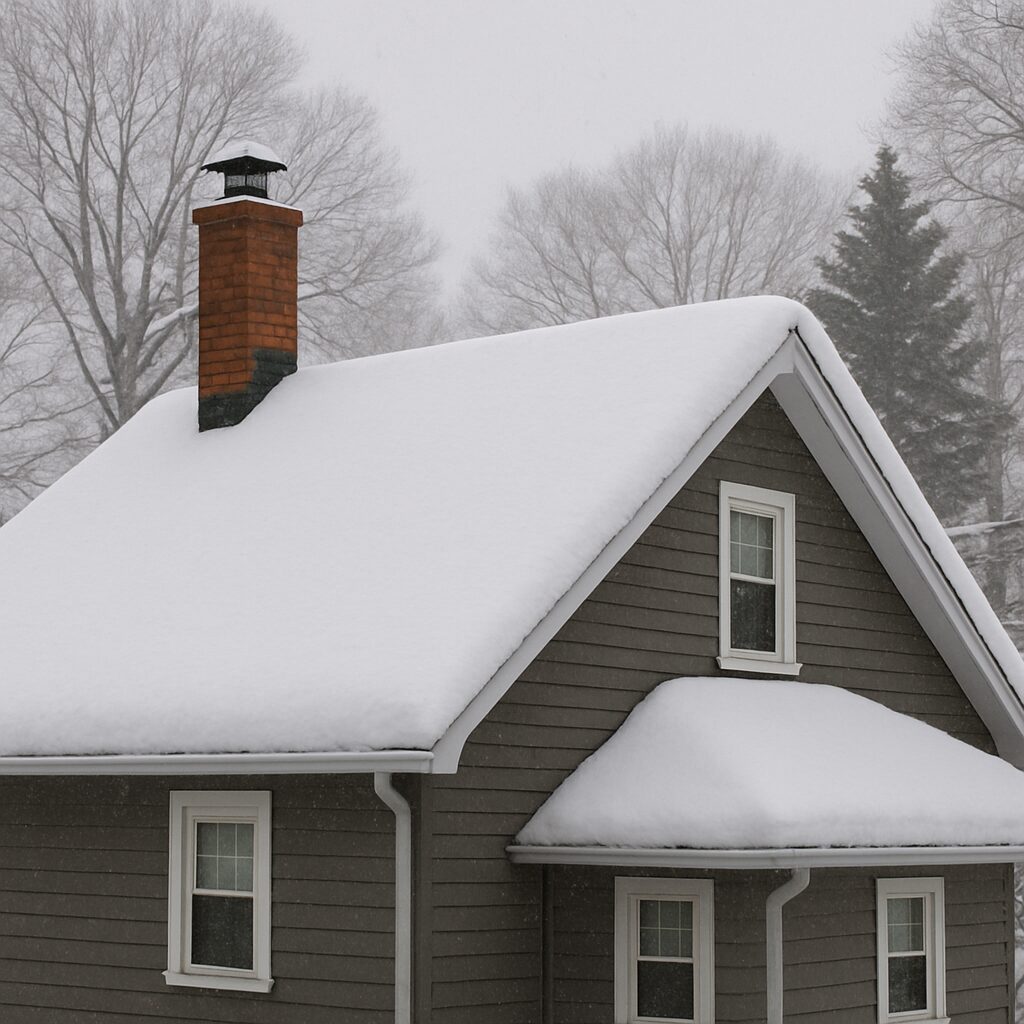
Maintaining your roof is crucial for New Jersey homeowners. The state’s diverse climate can take a toll on roofing materials. Regular upkeep helps prevent costly repairs and extends your roof’s lifespan.
Each season brings unique challenges for your roof. From heavy snow in winter to summer storms, your roof needs attention year-round.
Proactive maintenance can save you money and stress. Simple tasks like cleaning gutters and inspecting shingles can make a big difference.
This guide offers practical tips for seasonal roof care. Keep your home safe and sound with these expert recommendations.
Understanding New Jersey’s Unique Roofing Challenges
New Jersey’s climate presents specific roofing challenges. Homeowners must account for diverse weather conditions that impact roof health. From snow to thunderstorms, each season leaves a mark.
Geographical features also play a role. Coastal areas face saltwater exposure, increasing wear and tear. Inland, roofs endure variations in humidity and temperature.
Consider these key challenges when maintaining your roof in New Jersey:
- Frequent snow and ice accumulation
- High winds and heavy rain during storms
- Salt exposure in coastal regions
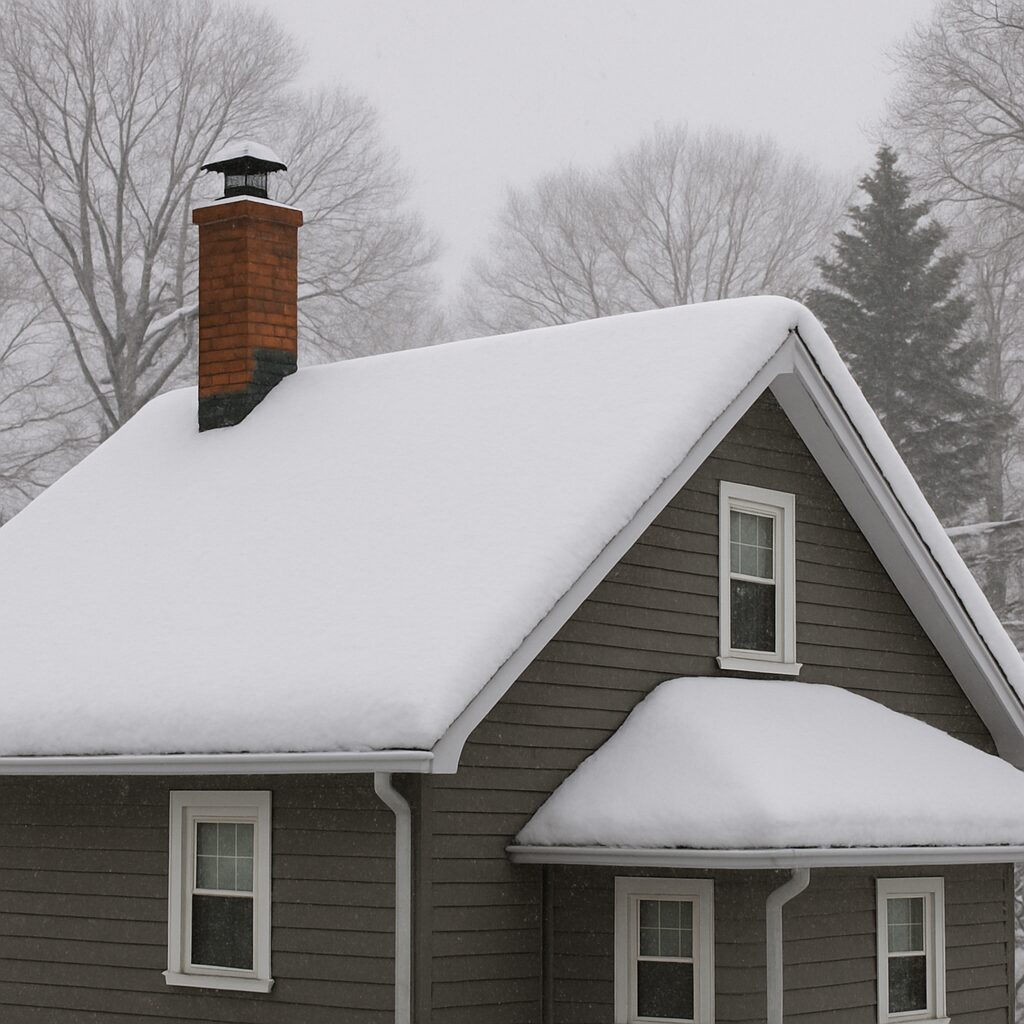
Proactively addressing these challenges can significantly extend your roof’s lifespan. Ensure your roof is ready for New Jersey’s climate.
Essential Pre-Season Roof Inspection Tips
Pre-season inspections are crucial for discovering roof issues before they escalate. Ensuring your roof is in prime condition can prevent costly repairs. It also provides peace of mind during severe weather.
Begin your inspection with a ground-level view. Use binoculars to check for visible damage, such as missing shingles or sagging areas. A safe approach that still gives comprehensive insights.
Key components to inspect include:
- Shingles for cracks or curling
- Flashing for rust or gaps
- Gutters and downspouts for debris buildup
Regular pre-season checks help you stay ahead of potential problems. Schedule inspections twice a year, especially before and after extreme weather events.
Spring Roof Maintenance Checklist
Spring is the ideal time to address any roof damage winter may have caused. A thorough inspection and maintenance routine prepares your roof for the warmer months. This proactive approach ensures longevity and functionality.
Begin by cleaning your gutters and downspouts to ensure proper drainage. Remove all debris and leaves that may have accumulated over the winter months.
Your spring checklist should include:
- Inspecting for missing or damaged shingles
- Checking seals around chimneys and vents
- Ensuring that attic ventilation is clear and working
Spring cleaning for your roof keeps it in top shape, preventing potential issues. Take these steps to enjoy a carefree summer.
Summer Roof Maintenance Checklist
Summer heat can stress your roof, making maintenance crucial during this season. Regular checks help in extending the life of your roofing materials. They also ensure your roof withstands the intense sun and any summer storms.
Inspect for signs of weathering, especially on shingles, which may become brittle. Look for cracks or curling, as this suggests sun damage. Address any issues before they worsen.
Include these steps in your summer checklist:
- Trim any overhanging branches
- Examine flashing for signs of rust or wear
- Clean and inspect roof vents
Proper summer maintenance avoids potential damage, keeping your roof reliable. Maintain vigilance as temperatures rise.
Fall Roof Maintenance Checklist
Fall is the perfect time to prepare your roof for the coming winter. The mild weather makes it ideal for completing necessary maintenance tasks. Addressing potential problems now can prevent costly repairs later.
Leaves and debris accumulating on your roof can cause major issues. Clogged gutters and downspouts lead to water damage. Ensure everything is clear to avoid these problems.
Prioritize these tasks in your fall checklist:
- Remove leaves and debris from gutters
- Check for missing or loose shingles
- Inspect attic for proper insulation
Completing these steps ensures your roof can handle winter’s challenges. Proactive fall maintenance protects your home during colder months.
Winter Roof Maintenance Checklist
Winter can be tough on roofs, especially with snow and ice. Preparing your roof for these conditions is crucial to avoid damage. Begin by ensuring proper ventilation to prevent ice dams.
Heavy snow and ice buildup can strain your roof’s structure. Regularly remove snow using a roof rake. This prevents undue weight and potential damage.
Key winter maintenance tasks include:
- Inspecting attic for proper ventilation
- Removing snow and ice from the roof
- Checking for signs of water intrusion
These steps safeguard your roof during harsh winter months. Prioritize these tasks to maintain your roof’s integrity until spring.
Common Signs Your Roof Needs Repair
Recognizing early signs of damage can save you from costly repairs later. Even minor issues can escalate rapidly if ignored. Pay attention to specific indicators that suggest your roof needs attention.
Be on the lookout for:
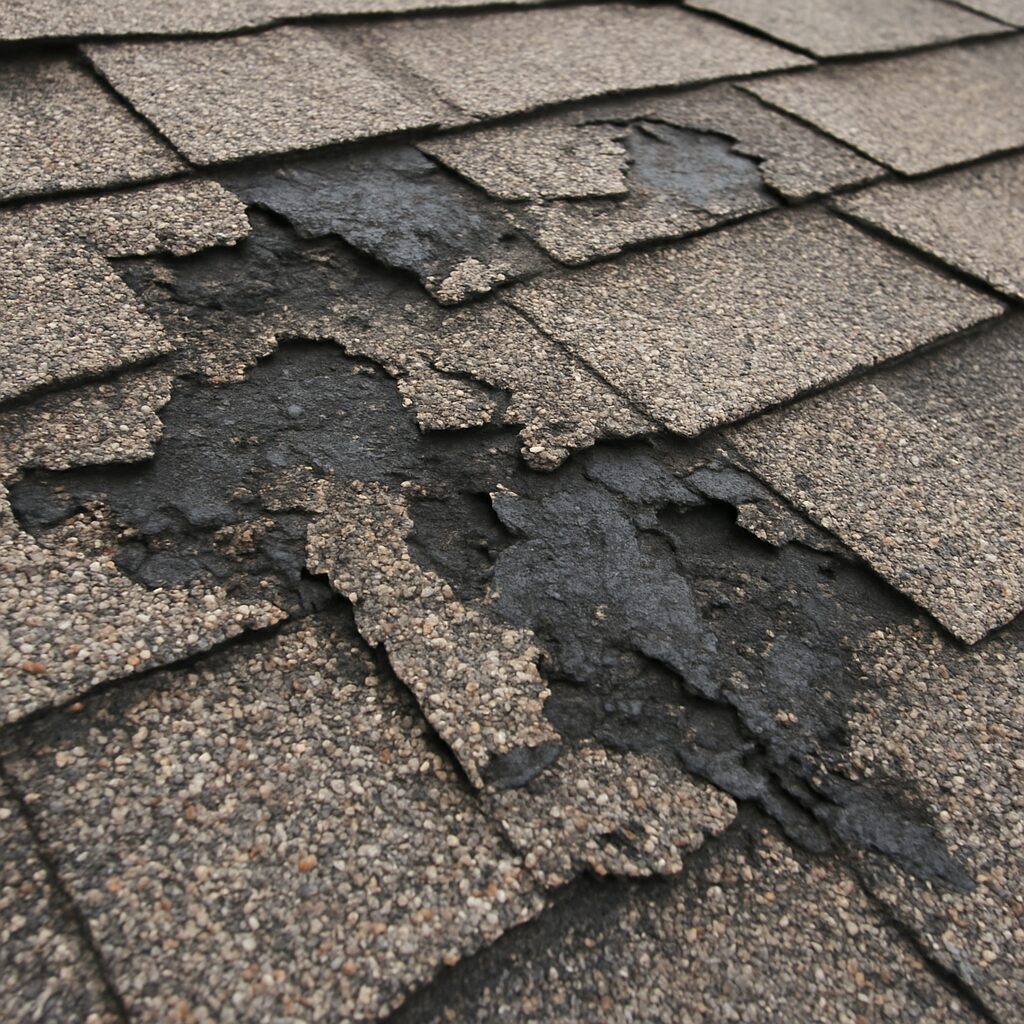
- Water stains on ceilings or walls
- Missing or damaged shingles
- Sagging roofline sections
These signs often indicate underlying issues needing prompt attention. Addressing them early prevents further problems. Keeping your roof in prime condition is key to protecting your home.
The Importance of Gutter and Attic Maintenance
Proper maintenance of gutters and attics is crucial for roof health. Clogged gutters lead to water buildup, causing roof damage. A well-ventilated attic prevents moisture accumulation.
Include these tasks in your maintenance routine:
- Clean gutters and downspouts regularly
- Ensure proper attic ventilation
- Inspect for signs of mold or pests
Taking care of these areas helps extend your roof’s life. It also maintains a healthy and safe living environment in your home.
When to Call Professional New Jersey Roofers
Sometimes roof issues require expert attention beyond DIY fixes. Knowing when to call in professionals can save you money and headaches.
Consult a roofing expert when you notice:
- Persistent leaks despite repairs
- Significant storm damage
- Missing, cracked, or curling shingles
Professional roofers have the skills to address complex roofing problems. They ensure that your roof remains durable and secure. Trusting experts can prevent further damage and costly repairs down the line.
Choosing the Best Roofing Company in New Jersey
Selecting the right roofing company is crucial for quality work and peace of mind. New Jersey offers many options, so research is key.
Consider the following criteria when choosing a roofing company:
- Positive customer reviews and testimonials
- Proper licenses and insurance
- Experience with New Jersey’s climate
A reputable roofing contractor in NJ will ensure your roof remains sturdy and efficient. Make informed decisions to protect your home.
Frequently Asked Questions About NJ Roof Maintenance
Homeowners often have queries about maintaining their roofs. Addressing these concerns can lead to better care and fewer surprises.
Common questions include:
- How often should I inspect my roof?
- What are signs of roof damage?
- When should I call a professional?
It’s important to stay informed to prevent issues. Regular checks and timely repairs can extend your roof’s lifespan. For any complex questions, consulting with NJ roofers can provide clarity and expert guidance.