
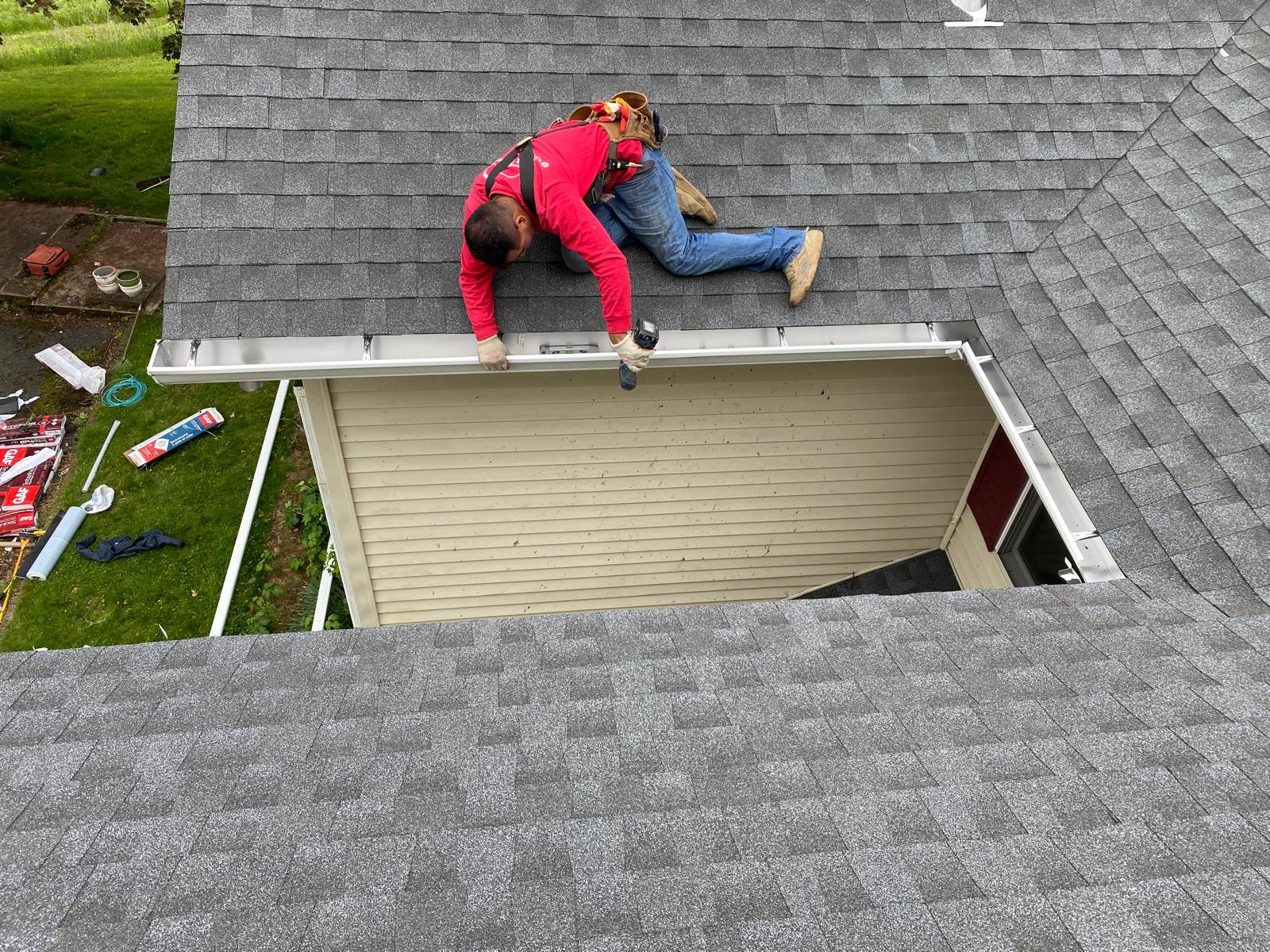
It has happened to us all during a great downpour: not instead of flowing away in another direction, but in order to pour over your front door. Home maintenance experts claim that these dripping connections are the main source of failure in the traditional exterior drainage systems. Each spot where two pieces of metal come together forms a place where rust, pieces of debris snagging, and dripping inevitably occur.
Consider an ordinary gutter such as a garden hose with a hole in it; water will never fail to find the simplest way out. Sectional systems, sold commercially, are braced together in small segments, such that a typical roofline could have dozens of these weak links. When home owners pose questions such as what is a seamless gutter vs regular gutters, then the answer is to take those weak spots totally out of the question in order to keep the water in its proper place.
What is a seamless gutter then? Instead of coming in pre-cut in-cardboard boxes, these systems are made of one, continuous piece of metal and it is made right in your driveway. To shape, or to extrude, the metal to the precise length of your roofline without any intervening gaps is done by a special machine on a truck.
Practically, this is continuous design which plays a vital role in safeguarding the structural integrity of your house. By making sure that the rain fall does not accumulate in or near the structure in any way, you can be sure that the basement of your structure is going to remain dry, your foundation will be stable, and your landscaping will not be washed away.
Flat Coil to Finished Gutter: On-Site Roll Forming Magic.
Majority of the home upgrades come in cardboard boxes, which can easily be assembled together. You may be asking yourself why you are not able to purchase a seamless gutter at the local hardware store. The solution is easy: they are made to order right in your drive. The proper installation of seamless gutters would need special machinery to create the metal on site, and make it fit perfectly to your particular roofline.
When you have wondered how are seamless gutters made onsite, the answer is by a process known as roll forming. Contractors come with a heavy spool of flat, painted metal, an aluminum coil. The question that neighbors normally ask is what is the cost of a seamless gutter machine- these are in fact very expensive industrial powerhouse machines designed to carefully bend that smooth metal into a familiar trough shape without scratches on the paint.
The process of a gutter roll forming machine operating is all too familiar to the observer, reminisces of a pasta maker extrude long, flawless noodles. The manufacturing process is performed in a series of steps and can be completed within a short time frame:
- Coil loading: The flat aluminum is fixed on the machine.
- Machine shaping: Internal steel rollers that continuously bend the metal are used.
- The run measure: The trough is drawn to make a perfect fit on the roof.
- Guillotine cutting: A sharp, built-in blade that cuts the section clean.
Manufacturing of custom lengths onsite will provide your home with a single continuous metal channel. Since the rainwater takes the route of least resistance a continuous trough becomes the final defense against foundation damage. The structural weaknesses of the traditional joints are removed in this manufacturing process.

Why Every Joint in Your Gutter is a Ticking Time Bomb for Leaks
Rainwater dripping from a gutter joint directly onto a walkway is a common frustration. If you wonder why do sectional gutters leak, the reason is straightforward: gravity forces water through any available opening. Every time two metal pieces are glued together, you create a weak link. Much like a patched garden hose, those artificial seams fight a losing battle against nature.
The invisible enemy destroying these joints is thermal expansion. Metal naturally “breathes” with the weather, shrinking in the freezing cold and swelling under the hot sun. In sectional gutters, these small pieces push and pull against each other until the waterproof sealant finally cracks. The primary advantages of continuous rain gutter systems lie in their ability to safely expand and contract as one solid unit, eliminating this destructive internal tug-of-war.
Inside the trough, those same seams act as tiny hurdles. Twigs and leaves catch on the rigid joint lips, serving as debris snag points that quickly build into massive clogs. Once blocked, rainwater spills backward into the wooden boards holding the gutter (the fascia), causing hidden, expensive rot. Preventing water damage with seamless drainage succeeds because it entirely removes these internal hurdles, creating a smooth, unobstructed slide for passing leaves.
Removing the joints solves the leaks, dramatically reduces clogs, and properly protects your foundation. The material chosen for these custom channels directly impacts both the lifespan and curb appeal of your home’s exterior.
Aluminum vs. Copper: Selecting the Right Skin for Your Homes Drainage
Choosing the right metal for your system is just as crucial as removing the leaky seams. When exploring seamless gutter types, you must match the material to your local climate. For oceanfront homes, salt air demands high corrosion resistance (the ability to fight off rust). If your roof sees heavy blizzards, pay attention to the gutter “gauge.” Gauge is simply the metal’s thickness—like buying a heavy winter parka versus a light windbreaker. A thicker gauge ensures the trough won’t bend or snap under heavy snow.
Here is how the most popular seamless gutter materials compare for standard homes:
- Aluminum: 20+ year lifespan, High rust resistance, Budget-friendly average cost per foot.
- Copper: 50+ year lifespan, Excellent rust resistance, Premium average cost per foot.
- Galvanized Steel: 20 year lifespan, Moderate rust resistance, Mid-range average cost per foot.
Weighing aluminum vs copper seamless gutter materials usually comes down to your upfront budget versus lifetime value. Aluminum is the neighborhood standard because it naturally repels rust without breaking the bank. Copper, however, is a permanent, high-end investment. Instead of decaying, copper develops a “patina”—a natural aging process that turns the shiny surface into a protective, beautiful sea-green shield. Alternatively, steel offers extreme strength for fighting heavy ice dams, but it will eventually succumb to rust.
Spending slightly more today on a thicker gauge metal prevents having to replace a crushed or rusted system down the road. The channel’s profile shape is the next critical factor in managing local rainfall effectively.
K-Style vs. Half-Round: Choosing a Profile That Handles Your Local Rainfall
Watching flat metal transform into a custom trough right in your driveway is fascinating, but the specific shape extruding from the machine dictates how well your house survives a heavy storm. A seamless gutter’s side profile determines its performance in extreme weather. This physical shape controls your home’s exterior aesthetic and the sheer volume of water the channel can safely hold before spilling over the edges.
The undisputed champion for modern residential roofs is the K-style profile. Shaped very much like the decorative crown molding inside your living room, this flat-bottomed design provides fantastic structural rigidity and massive water volume capacity. Because of its deep, angular belly, it captures and flushes intense rainwater flawlessly, making it the trusted industry standard for seamless gutter systems today.
Historic homes, however, often demand a gentler visual touch, bringing us to the traditional half-round shape. Imagine a standard pipe sliced perfectly down the middle; this smooth, semi-circle design offers elegant, timeless curb appeal. When comparing k-style vs half-round gutter profiles, remember that the shallower half-round shape holds a bit less water, meaning it sometimes requires a wider overall dimension to handle severe local downpours safely.
Your final decision comes down to balancing raw water capacity with visual appeal to keep your foundation completely dry. With the ideal profile chosen, the long-term return on investment becomes the focal point.

Is the Investment Worth It? Comparing Sectional vs. Seamless ROI
Home improvement projects often force a choice between a quick fix and a durable solution. When weighing sectional vs seamless gutters pros and cons, the difference isn’t just visual—it’s about survival. Hardware store sectionals seem like a bargain initially, but their joints inevitably leak as seasonal temperatures cause the metal to expand and shrink. This endless patching cycle makes many homeowners wonder: are seamless gutters worth the investment?
Calculating true value requires life-cycle costing, examining expenses over a decade rather than just on day one. A standard comparison reveals a stark contrast in long-term expenses:
- DIY Sectional Cost: $4 to $9 per foot (mostly cheap materials, but with a notoriously high failure rate).
- Professional Seamless Gutter Cost: The average cost of seamless gutter installation per foot ranges from $10 to $20, heavily reflecting the expert labor and specialized extrusion machinery required.
- 10-Year Maintenance Forecast: Sectionals routinely demand $500+ in continuous sealant repairs, whereas seamless systems require zero structural patching.
Paying more upfront feels intimidating, but Return on Investment (ROI) is where seamless technology outshines the alternatives. Think of your gutter as a heavy-duty raincoat for your house; a coat with torn seams will never keep you entirely dry. Eliminating those joints removes the weakest links, effortlessly preventing expensive foundation leaks while simultaneously boosting the positive impact of seamless gutters on home resale value.
Buyers appreciate a premium, leak-free drainage system that provides years of reliability. With a custom-extruded setup protecting your home, the only real chore is keeping the open channel clear.
3 Ways to Keep Your Seamless System Flowing for Decades
Upgrading to a premium drainage system drastically reduces your weekend chores, though it doesn’t eliminate them entirely. Routine seamless gutter maintenance remains essential because the channel is still open to falling leaves. Fortunately, without jagged joints catching every twig, you get a snag-free cleaning process where debris scoops away effortlessly.
The secret to keeping that continuous metal slide securely attached to your house lies in modern hardware. Older designs used long spikes that eventually pulled loose over time, but you now get incredible hidden hanger fastening system benefits. These invisible brackets clip securely inside the metal trough, acting like a reinforced skeleton that easily handles the weight of heavy winter ice without ruining your home’s exterior aesthetic.
A secure bracket also preserves the gutter’s “pitch,” which is the slight downward tilt directing rainwater toward the exit pipe. Checking this invisible slope is one of the crucial maintenance requirements for seam-free gutters, since a sagging section traps standing water and breeds mosquitoes. Running a garden hose through the channel quickly reveals if the water flows freely or needs a minor structural adjustment.
Evaluating your specific yard helps determine if installing gutter guards on seamless systems is a smart final touch to your project. Homes shadowed by heavy oaks benefit massively from these protective screens, whereas open, treeless lots can likely skip them entirely. Proper upkeep ensures the system functions reliably, keeping the home protected from water intrusion.
Your Roadmap to a Leak-Free Home: Next Steps for Seamless Success
You no longer have to accept the frustrating drips of failing joints as a normal part of homeownership. Eliminating weak links keeps water safely away from your foundation. The logic remains beautifully simple: no seams equals no leaks.
When you are ready to upgrade, knowing what to ask potential installers puts you in total control. Ask your contractor about the thickness of their aluminum gauge, request heavy-duty hangers spaced closely together, and ask them exactly how to measure house for seamless gutters. These three specific questions ensure their mobile manufacturing process matches your specific roofline flawlessly.
During your final walkthrough, confidently verify the installation quality yourself. Inspect the corner connections to ensure these custom seamless gutter systems are tightly sealed, properly pitched, and securely fastened without any sagging sections.
Protecting your home’s foundation shouldn’t demand endless ladder chores. A custom, continuous drainage system reliably directs rainfall away from your property, maintaining the structural integrity of your house during the heaviest storms.